Wrexham's US Return: Parkinson Blends Commercial Duty With League Two Preparation
Phil Parkinson frames Wrexham's second American pre-season as both privilege and rebuild before a demanding League Two campaign.
Phil Parkinson called Wrexham's return to the United States for a second consecutive pre-season tour a "privileged" invitation. A League Two manager does not normally frame American exhibition fixtures as an honour. The word choice reflects the operational reality at the Racecourse Ground, where pre-season preparation and global brand obligation share the same calendar.
Wrexham's commercial footprint in America, amplified by the documentary series, requires the squad to travel. Parkinson's job is to ensure the travel does not compromise the football side. Last summer's stateside trip drew sizable crowds and generated revenue, but it also meant transatlantic flights, climate disruption, and a training schedule built around promotional events rather than pure conditioning work.
Pressing Work In Hotel Car Parks
Pre-season is when Parkinson installs his pressing structure and refines the defensive shape that defined Wrexham's promotion campaigns. The 4-3-3 and its variants require repetition on the training pitch, and transatlantic travel eats into that repetition. Training sessions in hotel car parks or on rented university pitches substitute for the familiarity of the Racecourse Ground facilities, where the coaching staff control every variable.
Parkinson has adapted across two promotion seasons, moving from the fifth tier to League Two with squads rebuilt almost annually. The American tour demands the same pragmatism in squad management. Substitution patterns, load management, and session intensity all need calibration against opposition drawn from the American market rather than fixtures designed to simulate League Two opponents.
A 46-Game Grind After A Transatlantic Flight
Wrexham will be in League Two next season, the fourth tier of English football. The opponents are more physical, the schedule less forgiving, and the margin for a slow start narrower than anything the club has experienced under Parkinson. A second consecutive summer of transatlantic travel creates a measurable burden. Flight time, time-zone adjustment, and training disruption accumulate. Parkinson's staff will need to balance the commercial requirements against the conditioning work that a 46-game League Two season demands.
Wrexham are "privileged" to have been asked to return to the United States for a pre-season tour.
The comment signals acceptance rather than enthusiasm. Parkinson recognises the commercial logic and the club's trajectory. His focus is extracting football value from a tour designed primarily for brand exposure.
Wrexham have rebuilt at every promotion stage, and another summer of transition seems likely as Parkinson assesses which players can handle the step up to League Two. New signings will integrate into the group during the American trip, and the coaching staff will evaluate whether the 4-3-3 base shape suits the incoming roster or whether adjustments to a 3-5-2 or 4-2-3-1 are needed for the higher tier.
The American opponents present a different tactical challenge from what Wrexham will face in League Two. MLS or lower-tier American sides play with varying levels of tactical sophistication and physical intensity. Parkinson will use the fixtures primarily for conditioning and squad assessment, not tactical preparation calibrated for opening-day opponents in England's fourth tier.
A pre-season designed around audience engagement rather than competitive readiness produces slower starts. Last season's early form suggested Wrexham coped adequately with the previous American tour, but League Two presents a harsher margin. Parkinson's public comments remain diplomatic because the club's commercial department needs the tour to proceed without friction, and the manager has no incentive to frame the arrangement as a sporting obstacle.
The opening League Two fixtures will test whether the second American tour has refined or disrupted Wrexham's preparation. Parkinson's ability to manage the dual demands of commercial obligation and sporting readiness will determine whether the club's upward trajectory continues or stalls against opponents who have spent their summer training closer to home.
Editorial Integrity
This is an original SportPulse article written by our editorial team. All content is independently researched, written, and reviewed by our writers and editors before publication. We do not publish copied, aggregated, or syndicated content.
SportPulse is committed to original sports journalism. Read our editorial policy or contact us with any questions.
More Like This
All football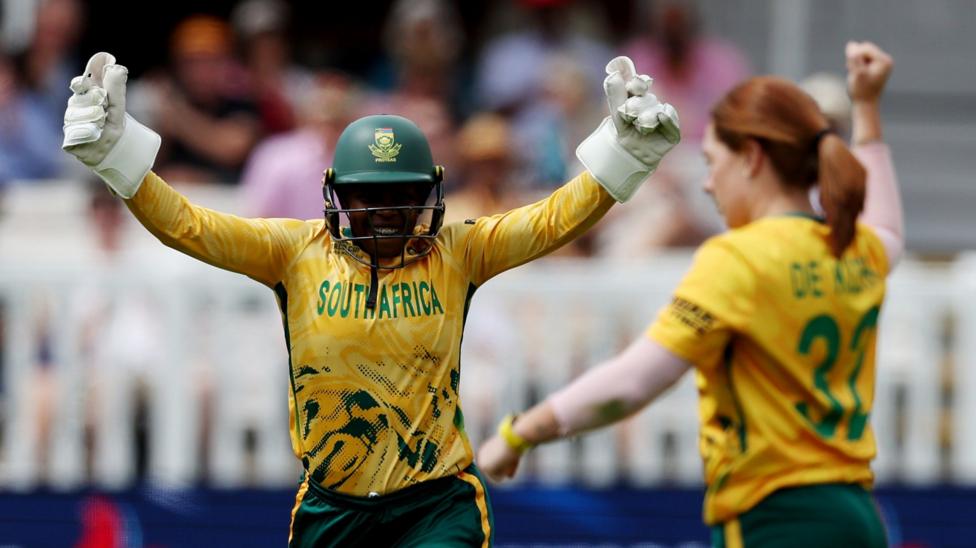
South Africa Stutter Past Bangladesh to Turn Heat on India
South Africa overcame their own dysfunction at Lord's to edge Bangladesh, shifting the T20 World Cup semi-final pressure squarely onto India.
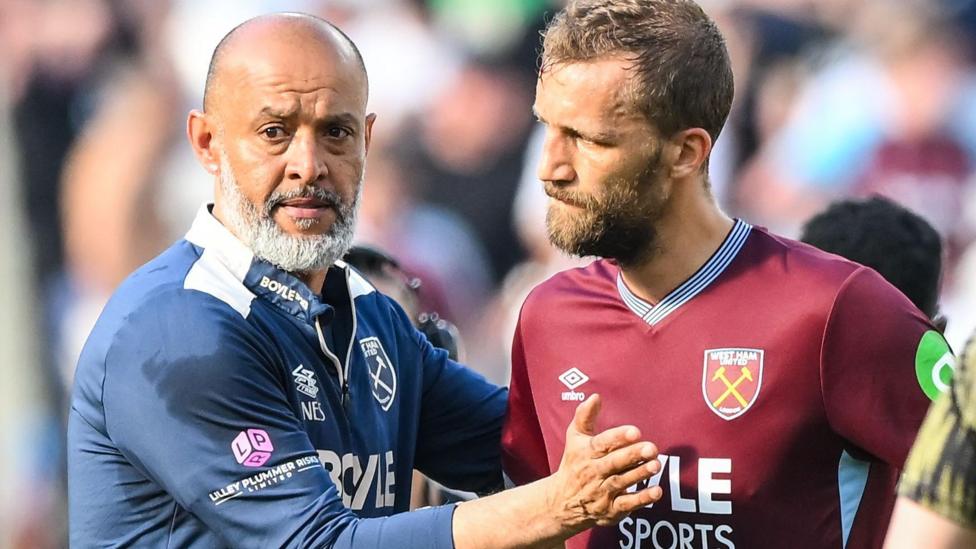
Burnley vs West Ham: Championship Opens With a Relegation Thunderclap
Relegated Burnley host fallen West Ham on the Championship's opening weekend, igniting an immediate battle for redemption.
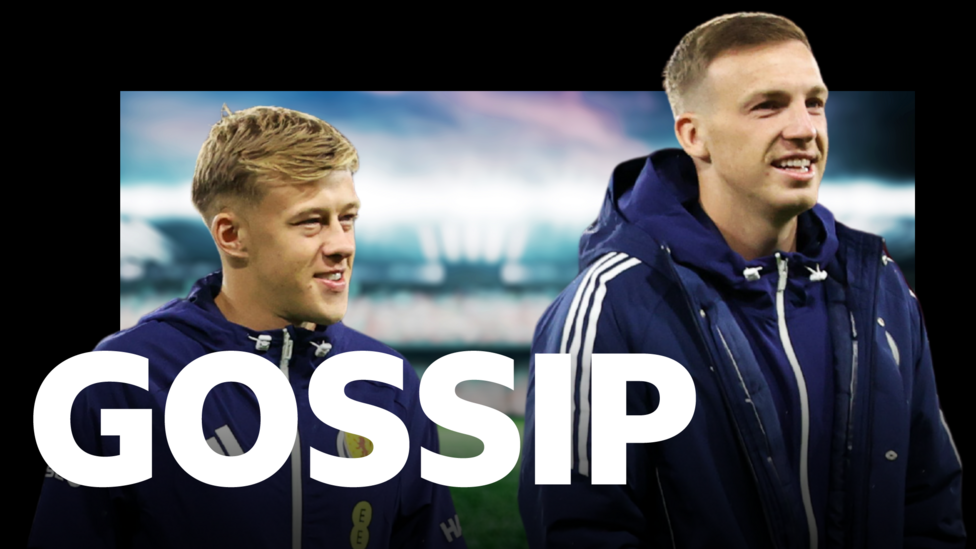
Bologna's Barron Pursuit and the Ferguson Swap Equation
Bologna's interest in Rangers' Connor Barron reveals a market strategy blending Serie A midfield modernization with Scottish Premiership profit maximization.