Yokota brings Japanese pace to Rangers' wide areas
Daisuke Yokota arrives at Ibrox from Hannover, adding width and verticality to Rangers' attacking options.
Yokota Arrives at Ibrox
Daisuke Yokota has completed his move from Hannover 96 to Rangers, signing on to a deal that reflects the club's continued investment in wide attacking talent. The Japanese winger arrives at a moment when Rangers are refining their approach to full-width play across the Scottish Premiership and European competition.
The 24-year-old spent his formative professional years developing in the Hannover system before breaking into the senior side. His profile is built on acceleration through the channels and a willingness to take on defenders in one-on-one situations, traits that map directly onto the kind of width Rangers require when stretching opposition defences.
Tactical Fit Under Pressure
Rangers typically line up in a 4-3-3 or a 4-2-3-1 shape, depending on whether they are protecting a lead or chasing a game. Yokota's natural inclination to play on the right flank offers a direct counter to the kind of compact mid-block that Scottish teams routinely deploy against them.
The winger's game is characterised by early touches into space rather than holding the ball under pressure. He looks to receive on the half-turn, drive at the full-back, and either cut inside onto his stronger foot or whip a low cross back into the six-yard box. This is not a player who relies on cutbacks from deep. His value lies in the first three seconds after receipt.
Against teams that sit in a 4-4-2 shell, Yokota's movement between the lines becomes important. He needs to drift into the pocket between the opposition's first and second lines, creating numerical superiority around the box for Rangers' midfield runners. If he stays too wide, the crossing game becomes predictable. If he drifts too inside, the width that stretches the defensive block disappears.
Hannover as Development Ground
Hannover's style under their recent coaching setups has emphasised vertical transitions and quick combination play in the final third. Yokota spent time in a system that rewarded wingers for making runs in behind and for link-up play with overlapping full-backs. That background should ease his adaptation to Rangers' demand for similar horizontal spacing and quick ball circulation.
The 3-4-3 variant Hannover occasionally used also gave Yokota experience of playing in a triple-attack configuration, where wide players are expected to rotate positions and create overloads on one flank. This rotation capability is precisely what Rangers need when facing organised defences that shift laterally as a unit.
What Rangers Gain
The move addresses a clear need. Rangers have struggled in recent seasons to find consistent goals from wide areas, often relying too heavily on central play through the number 10 zone. Adding a player like Yokota, who operates naturally in the half-spaces and can drift inside without losing structural balance, gives the coach an additional dimension.
His presence also provides competition for places. In a squad that must cover domestic league, Scottish Cup, and European fixtures, wide-player depth is non-negotiable. Yokota is not being brought in as a luxury option. He is expected to contribute immediately in the Premiership, where the physicality and tempo differ from the 2. Bundesliga he has been used to.
The Japanese Connection
Yokota's arrival continues a growing link between Japanese football and Scotland's top flight. The pathway from the J.League and 2. Bundesliga to the Scottish Premiership has become more established in recent years, and players who have spent time in Germany's second tier often bring a higher tactical maturity than those arriving directly from Japan.
Yokota's ability to read defensive shape, make off-ball runs, and execute quick combinations means he should adapt faster than a purely instinctive winger might. His experience in a structured German system translates directly to the positional discipline Rangers demand from their wide players.
"I hope to make special memories at Rangers," Yokota said after completing the move.
That sentiment is straightforward. What will determine whether it becomes reality is how quickly he adapts to the tempo of the Scottish game and whether he can replicate the same version of his Hannover form under the brighter lights of Ibrox.
Looking Ahead
Rangers face a busy fixture schedule as they compete on multiple fronts. Yokota's readiness to step in and contribute in the opening months of the season will be telling. If he can establish himself as a regular in the right-sided role, he will add a new attacking option that complements the central creative players around him.
The tactical challenge for Rangers will be integrating Yokota's preference for quick penetration with the broader team structure. When the full-backs push high and the central midfielders provide support, Yokota needs to know when to hold width and when to drift inside. That decision-making, refined at Hannover, will be under constant scrutiny in Scotland.
Editorial Integrity
This is an original SportPulse article written by our editorial team. All content is independently researched, written, and reviewed by our writers and editors before publication. We do not publish copied, aggregated, or syndicated content.
SportPulse is committed to original sports journalism. Read our editorial policy or contact us with any questions.
More Like This
All football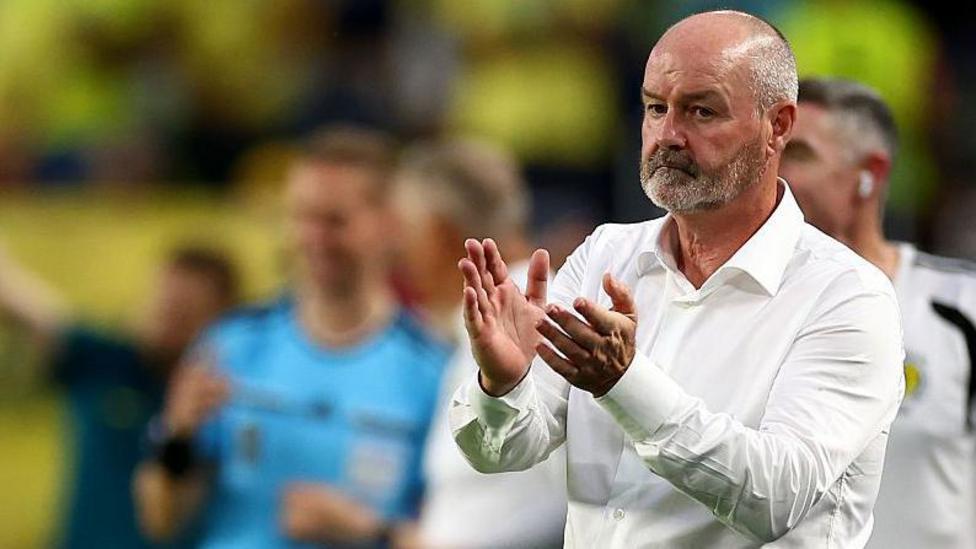
Clarke Walks Away: Scotland Boss Calls Departure 'Easy' After World Cup Heartbreak
Steve Clarke departs as Scotland manager after pre-planned exit following another group-stage failure on the world's biggest stage.
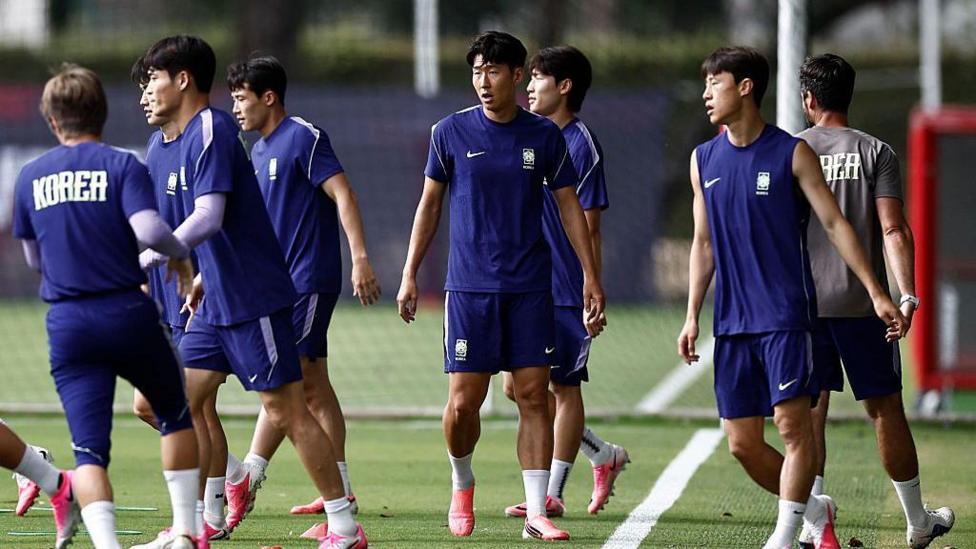
Espionage or Oversight? Drone Brought Down Over South Korea's World Cup Base
Mexican military intercepts unregistered drone over South Korea's training camp ahead of crucial Group A clash with co-hosts Mexico.

Reading FC Pulls Merchandise After Spelling Errors Expose Deeper Club Malaise
A League One club's botched online shop images are the latest embarrassment in Reading's prolonged decline.