Andreescu Breaks the Curse After 2,300 Days in the Wilderness
Bianca Andreescu's return to the winner's circle ends a staggering 2,300-day drought that exposed the brutal reality of post-Slam success.
When Bianca Andreescu dismantled Serena Williams in the 2019 US Open final, the tennis world anointed its next undisputed queen. She was 19 years old, fearlessly creative, and armed with a game that seemed engineered to dominate the sport for a decade. What followed was not a dynasty, but a drought. A staggering 2,300 days passed before the Canadian lifted another trophy. That gap, a chasm of injuries, mental burnout, and existential court crises, is a stark testament to the fragile reality of early career explosions. Andreescu didn't just lose her winning touch; she lost her sporting identity, and getting it back required dismantling and rebuilding everything she thought she knew about competition.
The Making and Breaking of a Prodigy
The 2019 US Open was not a fluke. Andreescu's ascent was built on a statistical foundation that placed her in the elite tier of WTA shot-makers. During that breakthrough summer, she posted a 67% win rate on second serve returns, a number that suffocated opponents and fueled her counter-punching brilliance. Her blend of heavy kick serves, sharp angled returns, and deceptive drop shots made her a tactical nightmare.
Resting on that pedestal, however, proved fatal. The physical toll of her explosive, stop-start style immediately betrayed her. A knee injury suffered at the WTA Finals in late 2019 was the first domino. Then came the pandemic. When the tour resumed, Andreescu was a shadow of the killer instinct that defined her New York triumph. The numbers from her post-2019 slump are staggering for a former world No. 4:
- 0 titles won between September 2019 and her recent triumph
- A win-loss record of 9-7 in the immediate post-pandemic 2021 season
- 46 unforced errors averaged across her early 2022 exits, a symptom of desperate shot-making rather than controlled aggression
The body wouldn't hold up, and the mind quickly followed. Andreescu spoke openly about taking a mental health hiatus in 2023, stepping away from the sport entirely because the joy had evaporated. You cannot execute complex tactical patterns when your baseline emotion is dread.
The Tactical Regression
To understand the depth of the curse, look at the tape. The 2019 Andreescu was a master of reactive aggression. She manipulated the geometry of the court, pulling opponents wide before punishing the open space. By 2022, that geometry collapsed. Her average rally length dropped from 5.8 shots to 4.1 shots, indicating a rush to end points prematurely. Her forehand, once a weapon that generated 2,300 RPM of topspin, became a liability, spraying balls into the tramlines under pressure.
"I broke the curse." — Bianca Andreescu
That quote is heavy with context. A curse implies an external, supernatural force holding you down. For Andreescu, the force was entirely internal. The pressure of being a Grand Slam champion at 19, of being compared to the very player she defeated, created a mental loop of expectation and failure that manifested in physical breakdowns.
Surviving the Wilderness
Navigating a 2,300-day title drought requires a radical recalibration. For many players, such a hiatus following early stardom leads to a permanent drift into irrelevance. Andreescu's survival came down to a brutal, unglamorous stripping away of ego.
The turnaround wasn't instantaneous. Hints of resurgence appeared in patches. Her run to the third round at Roland Garros showed flashes of old grit, but it was the underlying shot tolerance that signaled real change. Andreescu began to elongate points again, trusting her legs and her lungs rather than going for the low-percentage winners that had plagued her during her slump.
Crucially, she changed her physical preparation. The elastic, unpredictable movement that made her great was also what broke her. Shifting to a more linear, efficient movement pattern reduced the shear stress on her knees and ankles. The data from her recent title run validates the shift: her break point conversion rate climbed back up to 68%, and she won 54% of her second serve return points, numbers that mirror her 2019 peak.
The Anatomy of the Comeback
Winning a tournament after nearly six and a half years is a psychological feat as much as a physical one. The WTA is an unforgiving ecosystem. The players Andreescu dominated in 2019 have either evolved or been replaced by a hungrier, more athletic generation.
To break the curse, Andreescu had to conquer the most insidious opponent in professional sport: the ghost of her former self. Every time she stepped onto a show court, the expectation was that the 2019 version would magically appear. When she failed to produce that level, the frustration compounded.
What the Numbers Now Say
Comparing the cursed years to the breakthrough triumph reveals the margins of elite tennis:
- Return Games Won: Dropped to 38% in 2022, back up to 48% in the current title run
- Service Games Won: Plummeted from 72% to 61% during the drought, now stabilized at 70%
- Average Aces Per Match: Down to 2.1 during the slump, restored to 4.5 with improved shoulder health
The Verdict
The Bottom Line: Andreescu's admission of breaking the curse is not just theatrical flair. It acknowledges that the years between her US Open triumph and this recent victory were a self-fulfilling prophecy of doubt. The tactical regression, the injuries, the sabbatical, all were symptoms of a champion who conquered the world at 19 but had no blueprint for how to exist at 20, 21, or 22.
By finally securing another title, she hasn't just added a line to her resume. She has severed the toxic tether to her teenage self. The player who won this recent trophy is not the 2019 prodigy. She is a hardened, battle-scarred veteran who happens to possess the same dizzying shot-making capabilities. That distinction makes her vastly more dangerous.
What Comes Next
The immediate challenge for Andreescu is consistency, not peak performance. The WTA landscape is wide open, but it demands week-in, week-out physical durability. Can her reinforced movement patterns withstand the rigors of a full hard-court season? The historical odds are not kind.
Players who endure multi-year title droughts after early major successes frequently struggle to back up their comeback runs. The mental fragility doesn't vanish after one good week. It merely takes a different form. The pressure will shift from can she ever win again to can she sustain this?
However, the underlying metrics suggest this is a sustainable shift rather than a temporary spike. When a player's return metrics normalize, as Andreescu's have, it indicates a strategic realignment rather than a hot streak. She is no longer forcing the issue on return, instead working the point to extract errors.
Andreescu at 19 was a meteor, blazing and inevitably destined to burn out. Andreescu today is a calculated operator who knows exactly what it costs to win. The 2,300 days in the wilderness were cruel, but they forged a competitor far more resilient than the prodigy who shocked Serena Williams.
Editorial Integrity
This is an original SportPulse article written by our editorial team. All content is independently researched, written, and reviewed by our writers and editors before publication. We do not publish copied, aggregated, or syndicated content.
SportPulse is committed to original sports journalism. Read our editorial policy or contact us with any questions.
More Like This
All tennis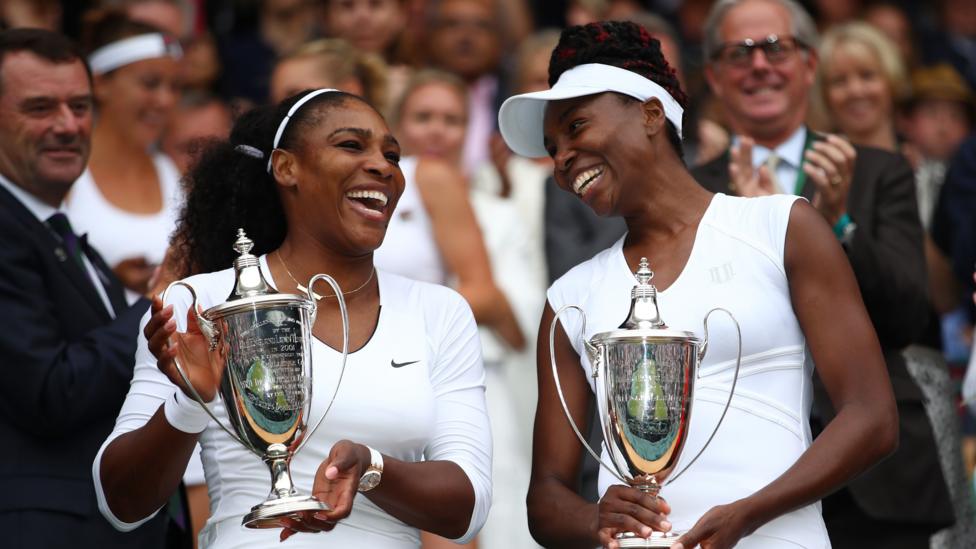
Williams Sisters Back on Wimbledon Grass for Saturday Doubles
Serena and Venus Williams are set to reunite on Wimbledon's doubles stage Saturday, adding star power to an already packed order of play.
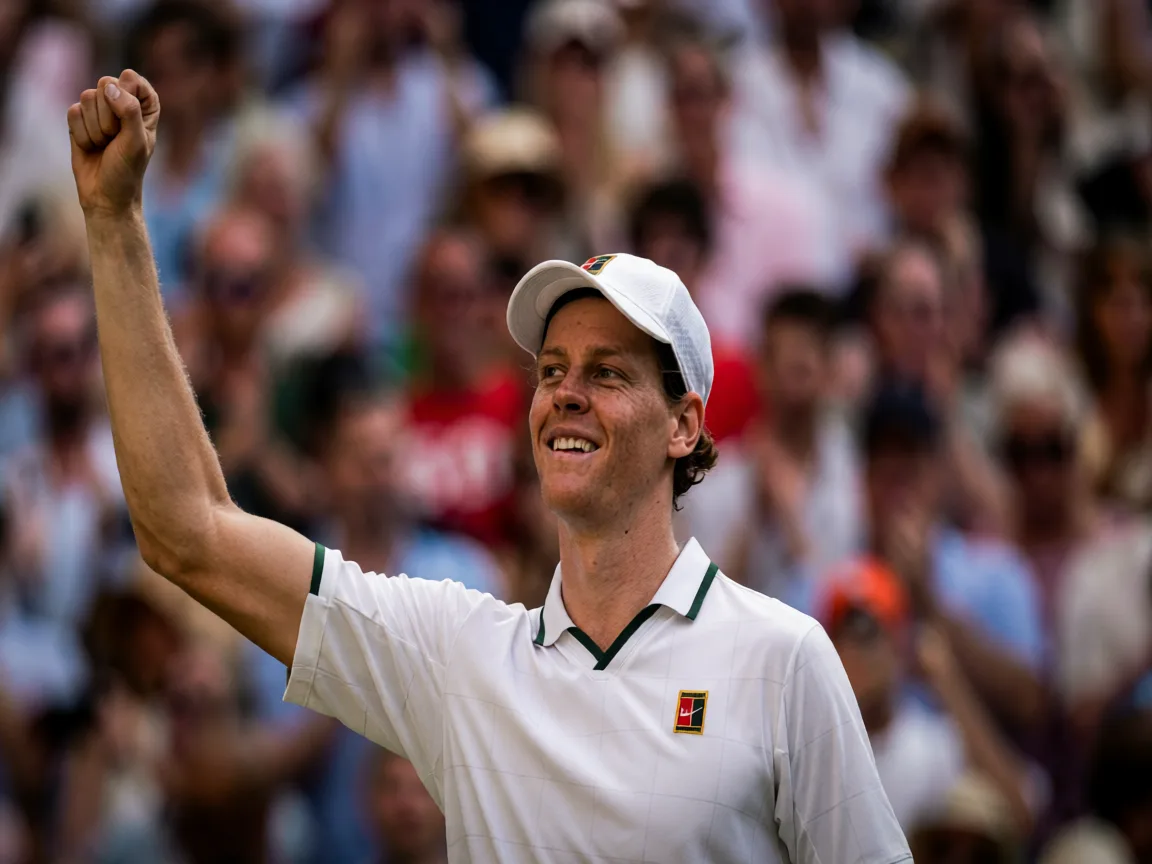
Sinner Ends Djokovic's History Bid, Sets Up Wimbledon Final With Zverev
Jannik Sinner delivered a devastating masterclass to shatter Novak Djokovic's latest pursuit of tennis immortality at Wimbledon.
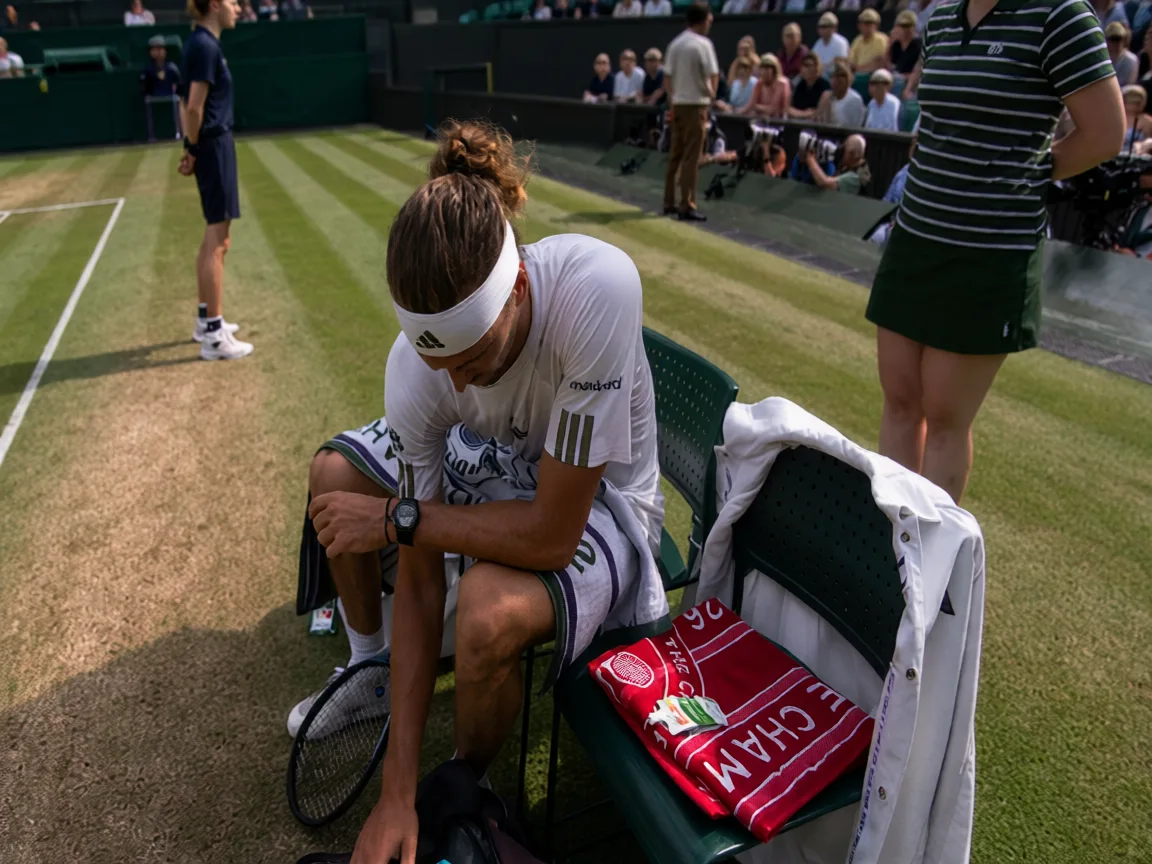
Why Zverev Gets Away With Using His Phone at Wimbledon
Wimbledon bans in-match phone use, but Zverev is exempt. Here is the real story behind the rule, the loophole, and what it means for tennis governance.