Aston Martin's Hungary Package Signals Team Is Racing Again
A revised chassis at the Hungaroring offered Fernando Alonso and Lance Stroll a glimpse of competitive midfield life.
Budapest Test For Aston Martin's Revised AMR24
A revised chassis package arrived at the Hungarian Grand Prix with Aston Martin trying to arrest a development slide that had dragged the team from the front of the midfield into no-man's-land. The Hungaroring is an unusual venue to debut a major upgrade. Its tight layout demands maximum downforce and rewards mechanical grip over raw power, but aerodynamic deficiencies are exposed quickly. If a car cannot hook up the slow-speed corners and hold stability through the long second sector, no engine map compensates.
Aston Martin chose Budapest to push through chassis revisions aimed at the balance and ride characteristics that have held back the AMR24 all season. The engineering team needed data under competitive pressure. The circuit provided exactly that.
Floor And Sidepod Changes Target A Wider Window
Aston Martin's core 2024 problem is aerodynamic inconsistency. The car has shown pace in clean air but struggled in traffic and on tyres that degrade rapidly over a stint. The revised package targeted the floor and sidepod geometry, where the team expected better airflow management and a wider operating window.
Fernando Alonso's feedback through practice pointed to incremental progress, not transformation. The two-time champion has been the team's most reliable sensor since arriving from Alpine, his radio messages measured rather than reactionary. When Alonso says the car feels more predictable, that is engineering data worth trusting.
Lance Stroll's weekend ran parallel. The Canadian has been the more aggressive critic of the AMR24's limitations, particularly around low-speed front-end response. Both drivers reporting consistent behaviour across a range of conditions and track temperatures means the upgrade has done its foundational job.
'Back Racing' And The Correlation Problem
The phrase 'back racing' carries specific meaning in Formula 1. It does not mean a team is winning. It signals that engineers can correlate wind-tunnel and CFD data with track performance, make set-up changes that produce predictable responses, and give drivers a platform they can work with over a race distance.
For Aston Martin through the middle stretch of 2024, that had not been the case. The team drifted out of the development corridor. Changes to the car produced counterintuitive results on track. That disconnect between simulation and reality paralyzes the upgrade pipeline because engineers lose trust in their tools.
Hungary offered a reset. If the revised chassis delivered correlations matching the factory's projections, the team could proceed with confidence. The summer break gives Aston Martin's engineers at Silverstone a window to analyze the Budapest data and prepare the next iteration for Spa and beyond.
Fifth Versus Eighth And The Cost Beyond Points
The 2024 midfield has been unforgiving. McLaren turned itself from a backmarker into a regular race winner. Mercedes recovered from a disastrous start to claim multiple victories. Ferrari has remained a consistent podium threat. The competitive ground shifted while Aston Martin searched for answers.
That makes any forward momentum significant, even when tangible results in Budapest did not jump off the timing screen. The gap between fifth and eighth in the constructors' standings represents real prize money and dictates wind-tunnel and CFD allocation for the following season under F1's aerodynamic testing restrictions. A team finishing higher earns less aerodynamic testing time. A team finishing lower gets more. Aston Martin currently sits where every place gained or lost compounds its ability to develop the car for the 2025 regulations and beyond.
Alonso's Patience And The 2026 Clock
Alonso is contracted at Aston Martin through 2026. The 42-year-old has spoken openly about evaluating his future depending on the team's competitiveness. A car that cannot challenge for points regularly will test that commitment.
The Hungarian upgrade was never going to turn the AMR24 into a podium contender. Inside the team, that was never the expectation. The goal was to establish a baseline, prove the development direction is sound, and give Alonso and Stroll a car they can drive on the limit without unpredictable handling.
If the Hungaroring data confirms the team is back on track, the second half of the season becomes a development race rather than a recovery mission. The difference between those two outcomes defines whether Aston Martin can salvage 2024 or simply rides out the schedule waiting for next year's rules reset.
Spa Validates Or Contradicts Budapest
The next test comes immediately at Spa-Francorchamps, a circuit that could not be more different from the Hungaroring. Long straights, high-speed corners, and changeable weather demand a different aero configuration. If Aston Martin's revised chassis principles hold up at a track with contrasting demands, the team has strong evidence its development direction is sound. Then comes the mandatory summer shutdown, two weeks when factory lights go dark and the grid resets mentally. Aston Martin's engineers will head into that break with either validation or more questions.
Editorial Integrity
This is an original SportPulse article written by our editorial team. All content is independently researched, written, and reviewed by our writers and editors before publication. We do not publish copied, aggregated, or syndicated content.
SportPulse is committed to original sports journalism. Read our editorial policy or contact us with any questions.
More Like This
All f1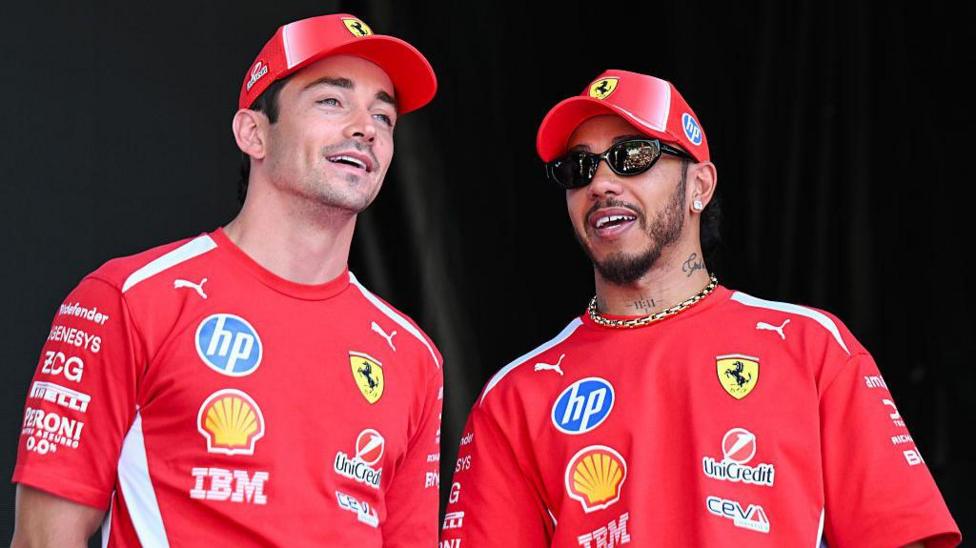
Leclerc's Decline Meets Hamilton's Renaissance in Barcelona's Rearview
Charles Leclerc's quiet slump and Lewis Hamilton's resurgence are F1's most fascinating mirror story this season.
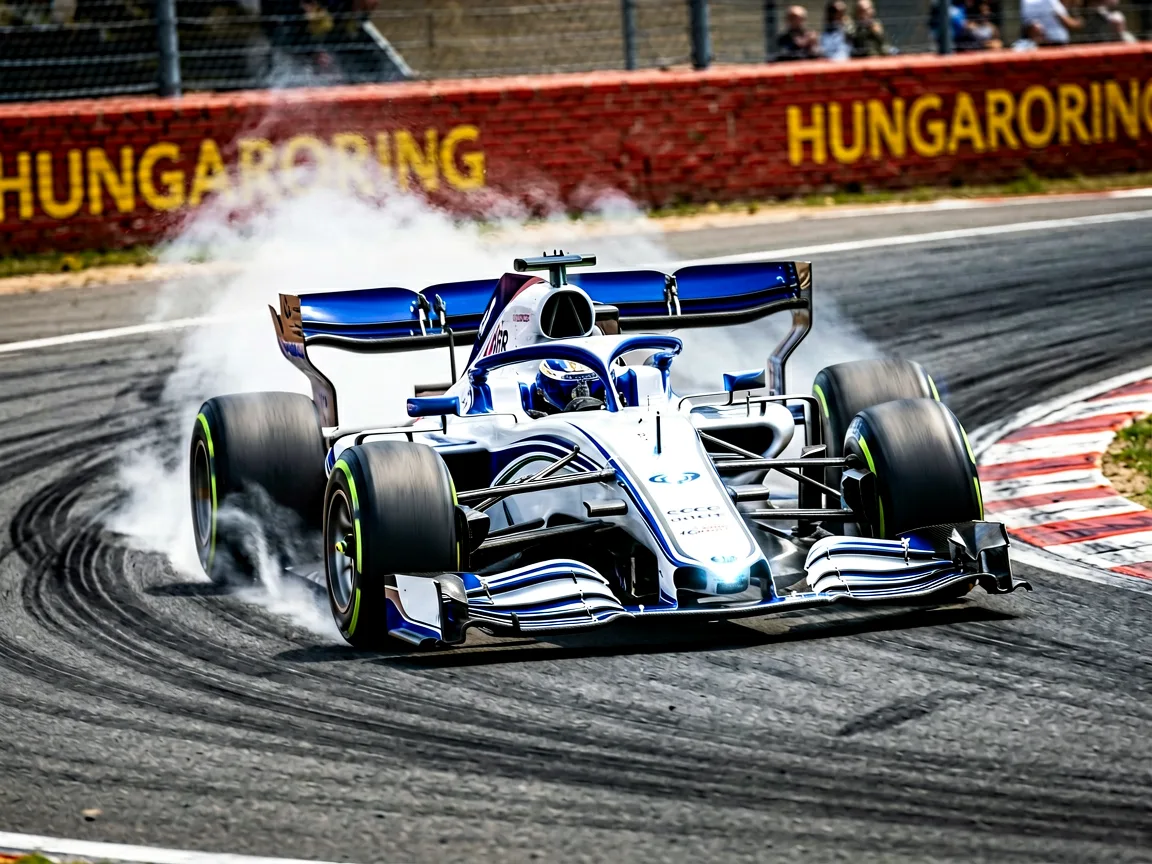
Why The Hungaroring's High-Downforce Tech Demands Dictate Race Pace
With 14 slow-speed corners punishing tyre temperatures and aerodynamic wake, Hungary's stop-start layout makes it a technical puzzle for engineers.
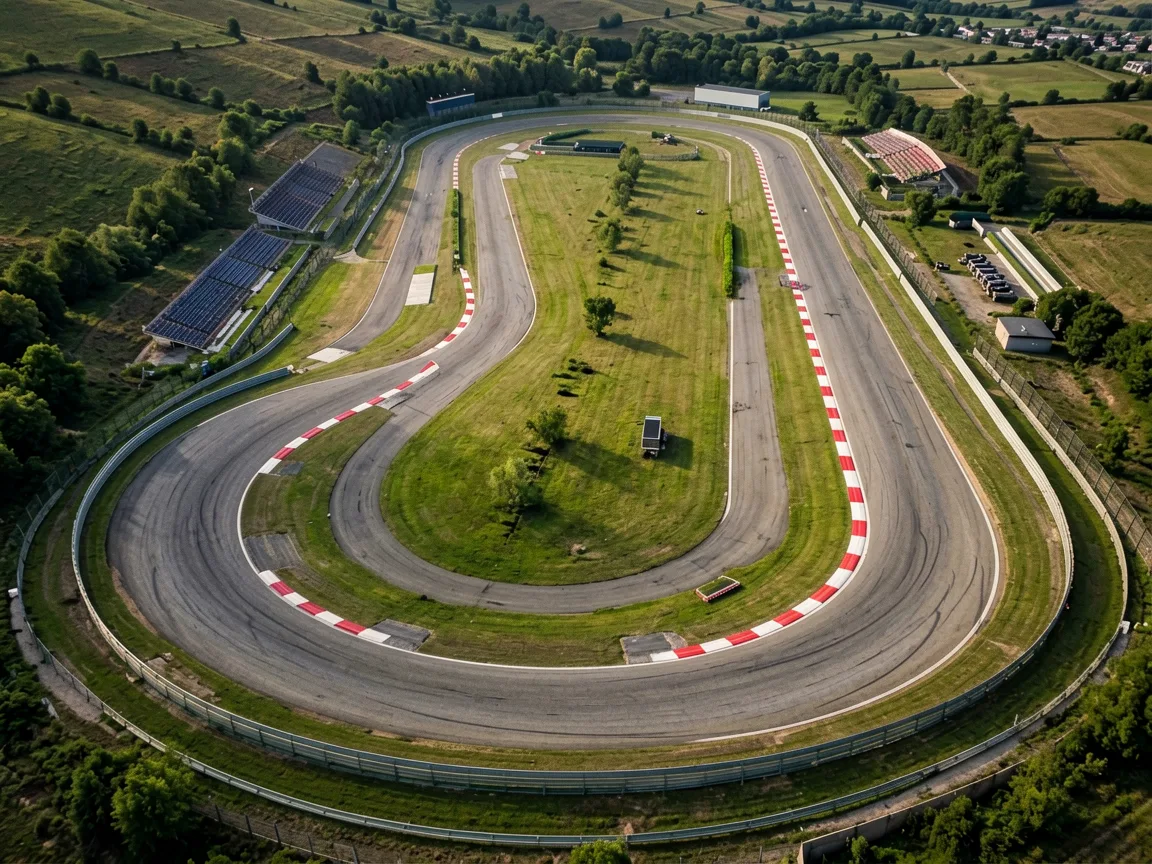
Spa's Aero Trap: Why Belgian GP Setup Demands Compromise
Spa-Francorchamps forces engineers into brutal drag-downforce compromises that define the Belgian GP technical battle.