Azteca 1986: Two Goals, One Immortal Afternoon
Maradona's Hand of God and Goal of the Century in one match remains football's most staggering dual masterpiece.
Football history is littered with matches that acquire mythology retroactively, contests that grow in significance with each passing decade until the actual 90 minutes become unrecognisable from the highlights. Then there is England versus Argentina, June 22, 1986, at the Estadio Azteca. That match needed no embellishment. Diego Maradona guaranteed it.
In the space of four second-half minutes, one man produced both the most controversial goal in World Cup history and, by widespread consensus, the greatest individual goal ever scored on a football pitch. You could play 10,000 matches and not engineer a convergence of infamy and genius so perfectly calibrated. Yet there it was, unfolding in front of 114,000 spectators in Mexico City, witnessed on television by millions more, and etched into the sport's collective memory with a permanence that no VAR protocol or legislative reform will ever touch.
For David Pleat, then embarking on his first broadcasting assignment with ITV, the day was formative in the most unexpected ways a pundit can experience: not merely observing history but being physically proximate to its creation. The Azteca, a concrete colossus built for the 1970 tournament, was the sort of venue that amplified drama by its sheer scale. Every echo, every roar, every silent pause of disbelief rolled through the bowl with operatic resonance.
The Build-up: Chaos Before Reverence
The romanticism of Mexico '86 begins with the logistics, which were anything but romantic. Mexico City's traffic was legendarily gridlocked, and covering the tournament required the kind of patience that modern broadcasters, whisked through accreditation lanes and media shuttles, cannot comprehend. Short journeys consumed hours. And then there was the matter of local law enforcement, whose reputation for petty corruption meant reporters and crew occasionally found themselves negotiating small extractions of cash from uniformed opportunists.
None of that mattered once the football began.
The match carried geopolitical freight that the players, to their credit, largely refused to carry. The Falklands War had ended only four years earlier. 255 British personnel and 649 Argentines had died. The tabloid press on both sides craved a proxy battlefield. What they got instead was something more unsettling and more enduring: an exhibition of individual genius that rendered the political subtext obsolete in real time.
The First Goal: Infamy in the 51st Minute
The score was 0-0 when Maradona rose to challenge England goalkeeper Peter Shilton for a high ball in the penalty area. Shilton stood six feet tall, Maradona five feet five inches. By the laws of physics and football, the goalkeeper should have collected the ball cleanly. He did not. Maradona's left fist connected with the ball before Shilton's gloves arrived, redirecting it into the net.
The Tunisian referee, Ali Bin Nasser, did not see the infringement. His position was poor, his line of sight obstructed, and VAR was 32 years away from implementation. The goal stood.
"It was the Hand of God," Maradona would say afterwards, a phrase that instantly entered the lexicon and has never left it.
What made the moment so corrosive was not just the act itself but the asymmetry of consequence. England's players were staggered. Argentine players celebrated with the unbothered pragmatism of competitors who understand that margins are thin, chances are rare, and advantage claimed is advantage kept. The goal was a lie. It counted anyway. Football has always contained both.
The Second Goal: Twelve Seconds of Genius
Four minutes later, Maradona collected the ball in his own half, roughly ten yards inside the centre circle. What followed has been timed at approximately twelve seconds and measured at roughly 60 yards of dribbling. He beat five English players: Beardsley, Butcher, Fenwick, Butcher again, and Reid. Then he rounded Shilton. Then he finished.
Theitor and the analyst in him recognised immediately that what he had witnessed was not merely a great goal but an articulation of football's essential promise: that one player, given space, courage, and sufficiently extraordinary talent, can transcend system, structure, and collective resistance entirely.
That the opponent mattered made it sharper. England were not a minor nation. They had Gary Lineker, soon to finish the tournament as top scorer with six goals. They had a functioning tactical structure under Bobby Robson. They had players who would, within four years, reach a World Cup semi-final. Maradona dismantled them anyway, not by exploiting weaknesses but by simply refusing to acknowledge their existence.
The Numbers Behind the Myth
- 60 yards covered in the Goal of the Century dribble
- 12 seconds from first touch to ball in net
- 5 English players beaten in sequence
- 114,000 spectators inside the Azteca
- 4 minutes separating the two goals
Context matters here. Maradona was throughout that tournament carrying Argentina in a manner that no single player has replicated at a World Cup since. He finished Mexico '86 with 5 goals and 5 assists in 7 matches, meaning he was directly involved in 10 of Argentina's 14 goals at the tournament. Remove his contributions and Argentina do not win the World Cup. It is not an exaggeration. It is arithmetic.
The Commentary Faux Pas
Pleat's recollections also touch on a dimension the viewing public rarely considers: the fallibility of the people behind the microphone. Live commentary is an exercise in sustained composure, and Mexico '86 presented challenges that ranged from inadequate sightlines to monitoring systems that, by 2025 standards, were primitive.
A commentary faux pas at a match of this magnitude is not a trivial matter. It becomes part of the broadcast record, replayed and scrutinised decades later when the match is revisited, as it constantly is. Pleat's candour about the error is itself instructive, a reminder that the people who narrate sport's biggest moments are doing so without the safety net of retrospect. They call what they see, in real time, with imperfect information, and the public holds them to a standard that the officials on the pitch are rarely asked to meet.
The Bottom Line
The enduring power of England-Argentina 1986 lies in its compression of football's entire moral and aesthetic spectrum into one match, one half, one player. The Hand of God is what football is when no one is watching closely enough. The Goal of the Century is what football is when genius outpaces the capacity of rules to contain it. They happened four minutes apart, performed by the same man, against the same opponents, on the same pitch.
No rewrite, no VAR review, no passage of time will reconcile them. You simply carry both.
Editorial Integrity
This is an original SportPulse article written by our editorial team. All content is independently researched, written, and reviewed by our writers and editors before publication. We do not publish copied, aggregated, or syndicated content.
SportPulse is committed to original sports journalism. Read our editorial policy or contact us with any questions.
More Like This
All long-reads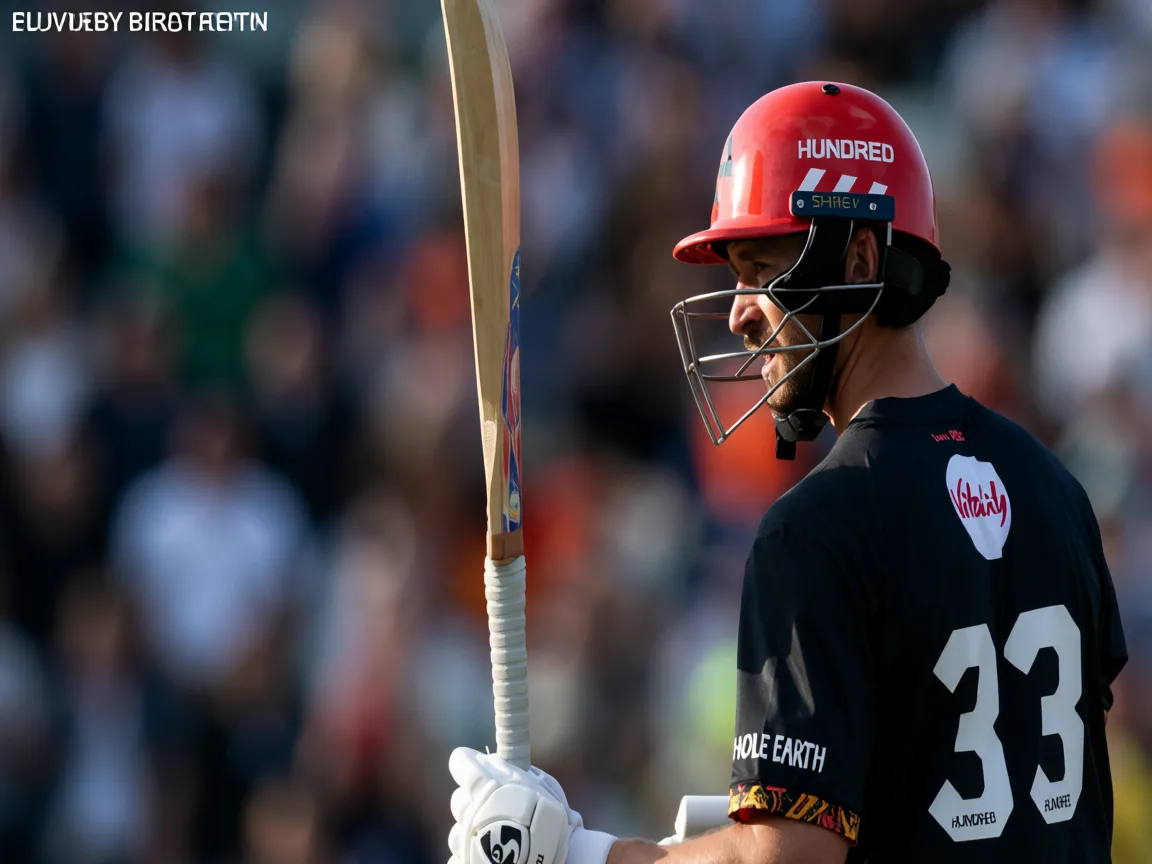
Clarke's Blistering 68 Ignites Birmingham Phoenix's Hundred Campaign
Joe Clarke attacked every Trent Rockets bowler at Edgbaston, powering Phoenix to a statement opening win in The Hundred.
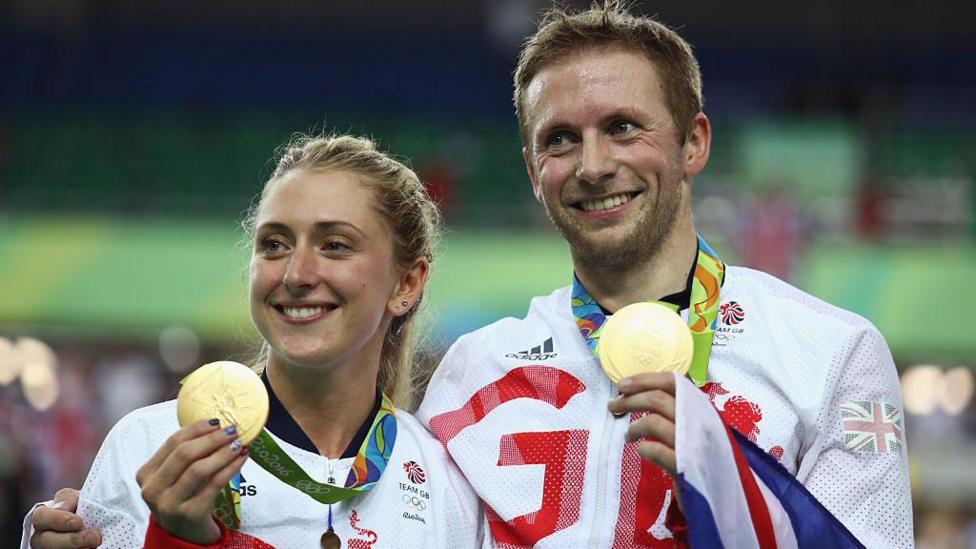
Northern Powerhouse: Team GB Stars Back Shock Olympic Bid
British Olympians and Paralympians throw their weight behind a bold north of England bid to host the Games.

Trump Eyes Irish Open Visit as Doonbeg Prepares for Spotlight
US President Donald Trump hopes to attend the Irish Open at his Doonbeg resort, raising questions about security, optics, and the tournament's global profile.