Trump Eyes Irish Open Visit as Doonbeg Prepares for Spotlight
US President Donald Trump hopes to attend the Irish Open at his Doonbeg resort, raising questions about security, optics, and the tournament's global profile.
A Presidential Return to the Links
The Irish Open has never lacked for prestige, but the 2025 edition at Doonbeg is shaping up to be unlike any before it. United States President Donald Trump has announced that he hopes to visit the tournament when it takes place at his Trump International Golf Links resort in County Clare, Ireland, this coming September. The declaration, brief as it was, immediately transforms a regular DP World Tour stop into a geopolitical talking point, a logistical headache for organizers, and arguably the most scrutinized golf event of the European calendar.
The announcement is not entirely surprising for those who have tracked Trump's relationship with the property. He acquired the Doonbeg resort in 2014, reportedly purchasing it for an estimated €8.5 million through a subsidiary of the Trump Organization. Since then, the course has undergone significant renovation under the direction of architect Martin Hawtree, with Trump himself investing heavily in reshaping the links layout to meet his personal standards. The resort has always served a dual purpose for the Trump brand: a legitimate business asset on Ireland's Wild Atlantic Way and a deeply personal passion project for a president who has spent more time on golf courses than perhaps any world leader in modern history.
What a Presidential Visit Means for the Irish Open
The Irish Open, part of the DP World Tour schedule, has long occupied a curious place in professional golf's hierarchy. It carries historical weight — the tournament dates back to 1927 — and has been staged at iconic venues across the island, from Royal County Down to Portmarnock to Lahinch. Yet it has struggled at times to attract the deepest fields, often overshadowed by PGA Tour events and the gravitational pull of the major championships.
A visit from a sitting US president would change the tournament's visibility overnight. Global media coverage would spike. Television ratings, particularly in the United States, would see a tangible boost. The DP World Tour, which has been working aggressively to elevate its brand in the face of competition from the Saudi-backed LIV Golf League, would receive a marketing windfall it could never manufacture on its own. From a pure optics standpoint, this is a gift to organizers and tour executives alike.
But the optics cut both ways. Trump's presence at any sporting event has become an inherently polarizing occurrence. His appearances at UFC fights, college football games, and the Super Bowl have drawn both fervent support and pointed protests. The Irish Open, held in a country where Trump's political record has generated significant public debate, may prove to be no different. County Clare is not Washington, but the global spotlight has a way of finding controversy wherever it lands.
The Logistics of a Presidential Golf Outing
What remains unclear is the precise nature of Trump's involvement. Will he attend as a spectator, watching from a hospitality suite or walking the fairways with the gallery? Will he play the course himself in a pro-am or ceremonial capacity? Or will his visit be limited to a brief appearance, a handshake with tournament officials, and a wave to the cameras before boarding Marine One?
Each scenario carries distinct logistical implications. A full presidential visit to a remote links course on Ireland's west coast would require a massive security operation, coordinated between the US Secret Service, An Garda Síochána (Ireland's national police), and potentially British security services given the proximity considerations. Roads would need to be secured. Airspace would need to be restricted. The small village of Doonbeg, population roughly 200, would be effectively transformed into a temporary fortress.
This is not unprecedented for Trump. His visits to Doonbeg during his first presidency required road closures, helicopter landings on the resort grounds, and significant disruption to the local community. Residents were largely accommodating at the time, with many expressing a mixture of pride and bemusement at seeing their quiet corner of Ireland become the center of international attention. Whether that goodwill endures for a second visit is another question entirely.
The Course Itself: Doonbeg's Moment
Whatever one thinks of the politics, there is a legitimate golf story here. Trump International Golf Links at Doonbeg is a genuinely remarkable course. Situated on a promontory jutting into the Atlantic, the layout is carved through towering dunes that are among the most dramatic in Irish golf. The wind off the ocean is relentless and unpredictable, turning approach shots into exercises in creativity rather than calculation. It is a course that rewards imagination and punishes rigidity — qualities that suit match-play drama and links golf in its purest form.
The DP World Tour's decision to bring the Irish Open to Doonbeg was itself a statement. It signals a willingness to embrace the Wild Atlantic Way's growing reputation as a golf destination, a region that includes Ballybunion, Lahinch, and the recently developed Hogs Head course. Ireland's links coast has been gaining global recognition for years, and a high-profile tournament at Doonbeg accelerates that trend.
For the professionals in the field, Doonbeg's challenge will be unfamiliarity. Few tournament-ready golfers have extensive competitive experience on the course. The routing, the green complexes, the wind patterns — all of it will require adjustment. Links golf specialists from the British Isles and Scandinavia may hold an advantage over players accustomed to the manicured parkland courses that dominate much of the continental European schedule.
Trump and Golf: A Complicated Legacy
It is impossible to separate any discussion of Trump at a golf event from his broader relationship with the sport. He owns more than a dozen golf properties worldwide, from Turnberry in Scotland to Doral in Florida to Bedminster in New Jersey. The sport is not merely a hobby; it is a central pillar of his business empire and, arguably, his personal identity.
His critics have long pointed to the frequency of his golf outings during his presidency as evidence of misplaced priorities. His supporters counter that golf has been a tool of diplomacy and deal-making throughout his political career, and that his genuine passion for the game makes him a credible ambassador for the sport.
The Irish Open appearance, should it materialize, would be the latest chapter in this ongoing tension. For the DP World Tour, the calculus is straightforward: a presidential visit generates interest, and interest generates revenue. For the players, the focus will remain on the golf itself, though the circus surrounding a Trump arrival will inevitably create distractions.
What to Watch as September Approaches
Several key questions will define the build-up to the tournament. First, confirmation of Trump's visit — the initial statement was framed as a hope rather than a commitment, and presidential schedules are subject to the relentless pressures of geopolitics. A shift in any number of international crises could derail the plan.
Second, the tournament field. The Irish Open's ability to attract top-tier talent will be critical to justifying the attention. If the event becomes defined by Trump's presence rather than the quality of the golf, it risks undermining its own credibility as a competitive stop on the tour.
Third, public and political reaction in Ireland. Irish politicians have not shied away from commenting on Trump's policies in the past. Whether the government or local officials choose to engage with or distance themselves from the visit will shape the narrative in the weeks leading up to September.
For now, the stage is set for what promises to be one of the most unusual Irish Opens in the tournament's near-century history. Doonbeg's dunes have always been dramatic. This year, they may have to share the spotlight.
Editorial Integrity
This is an original SportPulse article written by our editorial team. All content is independently researched, written, and reviewed by our writers and editors before publication. We do not publish copied, aggregated, or syndicated content.
SportPulse is committed to original sports journalism. Read our editorial policy or contact us with any questions.
More Like This
All long-reads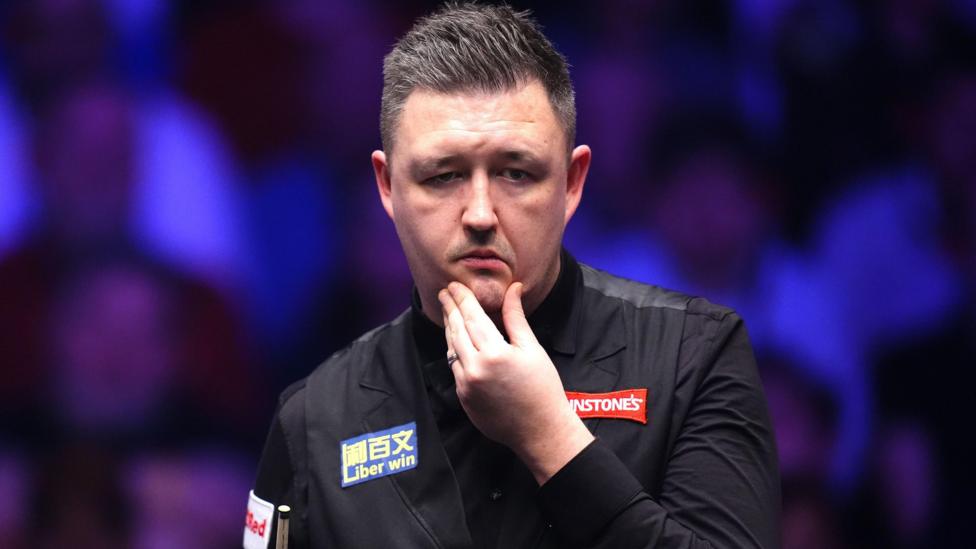
Cancer Charity Stolen From Wilson's Home During Snooker Event
Kyren Wilson's home was burgled and cancer charity funds stolen while he competed in Leicester, exposing athlete vulnerability.
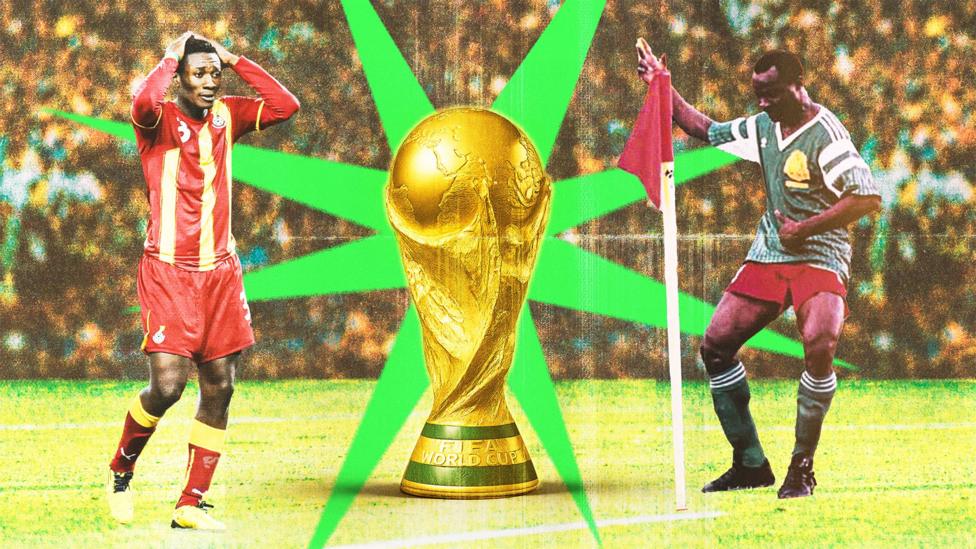
Africa's World Cup Ceiling: How Close Is the Continent to Lifting the Trophy?
Morocco rewrote history in Qatar, but what structural and tactical shifts must converge for Africa to finally win a World Cup?
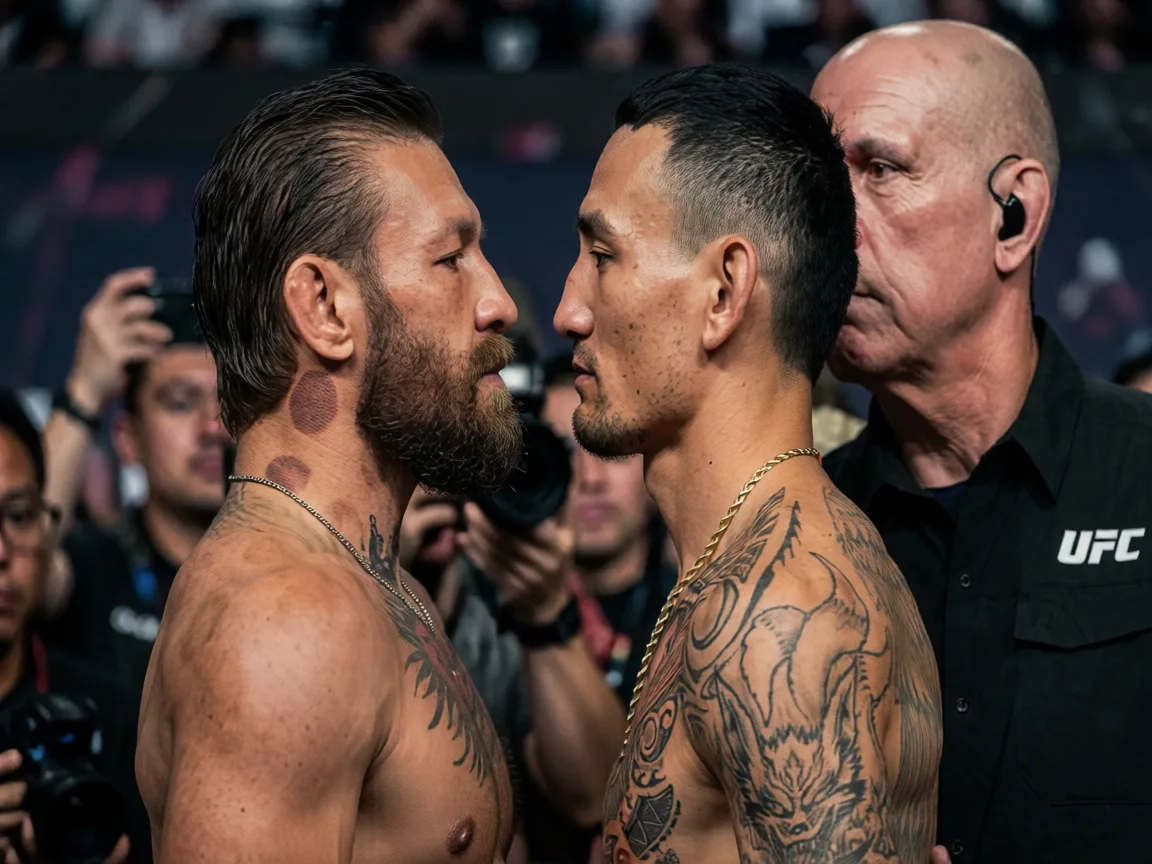
McGregor vs Holloway 2: A Decade of Evolution Collides at UFC 329
A welterweight rematch ten years in the making, Conor McGregor faces Max Holloway in a bout defined by tactical evolution and stylistic reinvention.