McGregor vs Holloway 2: A Decade of Evolution Collides at UFC 329
A welterweight rematch ten years in the making, Conor McGregor faces Max Holloway in a bout defined by tactical evolution and stylistic reinvention.
A Decade in the Making
When the referee signals the start of the main event at UFC 329 on Saturday, it will not merely mark the beginning of a welterweight contest. It will close a narrative arc spanning more than a decade. Conor McGregor and Max Holloway first shared a cage in Boston back in 2013, a featherweight preliminary card bout where a young, brash Irishman edged a promising Hawaiian prospect by decision. Nobody within the fight game could have predicted the trajectories that followed. Now, their rematch serves as a fascinating study of how two elite combat sports careers can diverge, stall, and converge one final time.
McGregor enters the contest as a former two-division champion holding a professional record of 22 wins and 6 losses. His last appearance inside the octagon ended in a broken tibia and a first-round TKO defeat to Dustin Poirier at UFC 264 in July 2021. That catastrophic injury forced a prolonged absence from competition, raising legitimate questions about his durability and motivation. Holloway, holding a record of 25 wins and 7 losses, arrives with a different kind of momentum. A former featherweight kingpin, he recently captured the symbolic BMF title by dismantling Justin Gaethje at UFC 300 in April 2024. It was a masterclass in volume striking and cardiovascular endurance, the defining characteristics of his fighting identity.
Stylistic Foundations and Modern Adaptations
The original appeal of this matchup lies in the sharp stylistic contrast between the two athletes. McGregor built his empire on a foundation of precision striking and distance management. His framework relies heavily on the Southpaw stance, utilizing a long, bladed posture that keeps his lead foot outside the opponent's. This allows his left cross to travel down the centerline with devastating efficiency. During his peak years, this Karate-influenced approach allowed him to control range with minimum energy expenditure, forcing opponents into his killing ground.
Holloway operates on the opposite end of the tactical spectrum. Where McGregor favors explosive, economy-of-motion combinations, Holloway is an engine of relentless pressure. His game is built upon a high-output orthodox stance mixing kicks to all levels with dizzying boxing combinations. His trapping and clinch work create extensive offensive opportunities, breaking opponents down through sheer attrition rather than singular concussive force.
For this welterweight encounter, the dynamics of their physical profiles add another layer of complexity. Moving up to 170 lbs historically favors McGregor. His last victory over a natural welterweight, Donald Cerrone at UFC 246 in January 2020, demonstrated his comfort at the heavier weight class. The extra mass allows him to absorb punishment better and carry his concussive power without the grueling burden of a severe weight cut. Holloway, however, built his legacy at 145 lbs. His victory over Gaethje at lightweight proved his chin and engine translate upward, but welterweight is an entirely different ecological system.
The Path to Victory
For McGregor, the blueprint remains consistent with his earlier career successes. He must use his length and lead-hand controls to dictate the early exchanges. His teep kicks to the midsection and snapping front kicks up the middle serve as range finders and posture disruptors. The primary objective is to establish timing in the opening two minutes, drawing Holloway into prolonged engagements. The Irishman thrives when he can read his opponent's rhythm and counter with his straight left. However, if Saturday's McGregor shows the footwork deterioration seen in the second Poirier fight, succumbing to leg kicks and pressure, Holloway's volume will quickly become overwhelming.
Holloway's strategy revolves around a simple but grueling math: accumulation. He must navigate McGregor's power windows in the opening round by utilizing lateral movement and his trademark calf kicks. Once the first five minutes are survived, Holloway's path to victory opens. His cardiovascular supremacy is an established fact in MMA, commonly referred to as the best gas tank in the sport's history. By round three, he aims to utilize his boxing combinations and dirty boxing in the clinch, targeting the body to diminish McGregor's explosive capabilities.
The MMA community has been vocal in their predictions, highlighting the shared consensus on these tactical battlegrounds. The overarching theme among analysts is that if McGregor does not find the finish inside the first eight minutes, Holloway's relentless pace will drown him. The betting lines reflect this sentiment, but cage dynamics are notoriously volatile.
Tactical Shift: The Championship Rounds
Every fight has a moment where strategy meets reality, where game plans dissolve under the stress of fatigue and incoming fire. For this welterweight main event, the tactical shift occurs as the bout enters the metaphorical championship rounds of three through five.
This is where the ecological reality of the 170 lbs division asserts itself. Carrying extra muscle mass fundamentally alters the physiology of fighting. McGregor's historical finish rate of 19 wins by knockout means he has rarely had to navigate deep waters at a heavier weight class. The later rounds represent uncharted territory for him in recent years. Holloway, conversely, is a veteran of grueling five-round wars. His victories over Ricardo Lamas and Calvin Kattar demonstrated an ability to sustain a 100-plus strike output even in the fifth round.
The critical tactical adjustment for Holloway occurs in his entry patterns. Early in the fight, he may be forced to absorb McGregor's left hand to deliver his own combinations. As the fight progresses, the shift involves targeting the body with increasing frequency. McGregor's bladed stance leaves his midsection vulnerable to switch kicks and spinning attacks to the body. By systematically breaking down the opponent's posture, Holloway aims to transform his opponent's movement from explosive to reactive, nullifying the primary threat.
For McGregor, surviving the deep rounds requires a fundamental shift in approach. He must abandon the low-output counterstriking game that made him a star and embrace a physical, clinch-heavy approach to slow the fight's pace. Using underhooks against the cage and forcing resets can steal valuable seconds of recovery time.
Predictions from across the MMA world point to a single, clear consensus: whoever imposes their preferred pace will dictate the outcome. Experts emphasize that Holloway's consistent pressure wears down heavier opponents, while McGregor's early power shots remain a constant, looming threat.
The Legacy Implications
The stakes attached to this rematch extend far beyond simple rankings. For McGregor, this fight is an audition for his continued viability as a main event attraction. A victory would silence the mounting narratives of decline and position him for lucrative showdowns against the new generation of welterweight contenders. A defeat, particularly a one-sided one, would cement the argument that his championship days belong firmly to the past.
For Holloway, a win over the sport's most famous star solidifies his standing among the greatest fighters of his era. It provides closure to a storyline that began when both men were unknown prospects. His legacy as a featherweight great is unquestionable, but adding a victory over McGregor at welterweight adds a vertex to his resume that few can match.
The welterweight division is currently presided over by Belal Muhammad, a champion whose wrestling-heavy approach presents a distinct challenge to both fighters. A victory on Saturday does not immediately guarantee a title shot, but it places the winner firmly in the conversation. McGregor's star power means he is never more than one impressive performance away from a championship opportunity. Holloway's momentum, built on technical brilliance and durability, makes him an undeniable contender in any division he chooses to occupy.
What Comes Next
The aftermath of UFC 329 will reshape the trajectory of two iconic careers. McGregor's camp has hinted that this may be his final run at an elite level. A decisive loss could signal a permanent transition to promotional and exhibition endeavors. The Irishman's legacy is already secured, with his achievements as a two-division champion etched into the history of the sport.
Holloway, at 32 years old, still has prime fighting years ahead of him. His style, predicated on technique and work rate rather than pure athletic explosion, traditionally ages well. The welterweight division offers fresh challenges and lucrative opportunities.
As the cage door shuts on Saturday night, the focus will immediately shift to the next logical step. The winner faces a prospective showdown with the welterweight elite, while the loser confronts the uncomfortable reality of reinvention in the twilight of a legendary career.
Editorial Integrity
This is an original SportPulse article written by our editorial team. All content is independently researched, written, and reviewed by our writers and editors before publication. We do not publish copied, aggregated, or syndicated content.
SportPulse is committed to original sports journalism. Read our editorial policy or contact us with any questions.
More Like This
All long-reads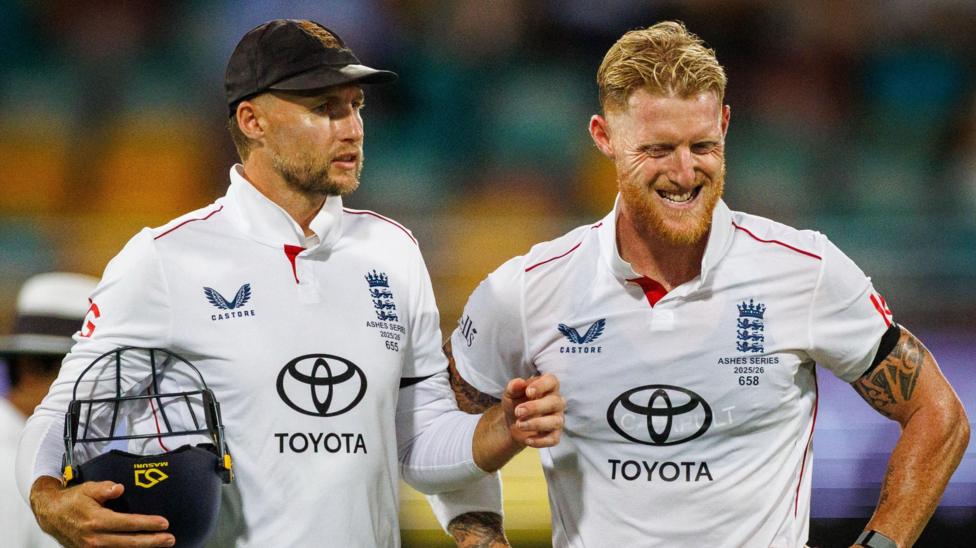
England's Emergency Recall: Why Root Is the Only Logical Choice
With Ben Stokes sidelined, England turn back to their most experienced hand in Joe Root as interim Test captain.
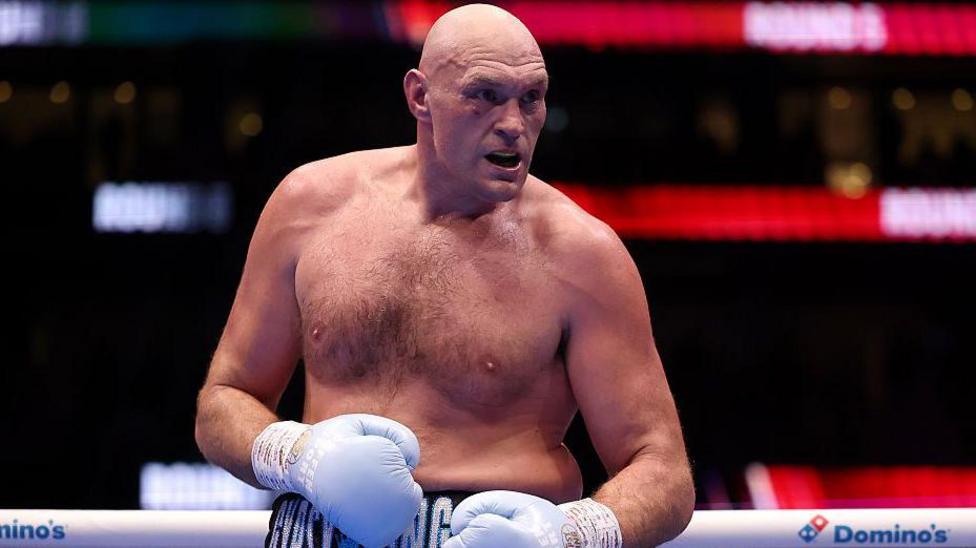
Fury Books Thailand Date With Wach as Joshua Superfight Edges Closer
Tyson Fury picks experienced Polish veteran Mariusz Wach in Thailand to shake off ring rust before a blockbuster clash with Anthony Joshua.
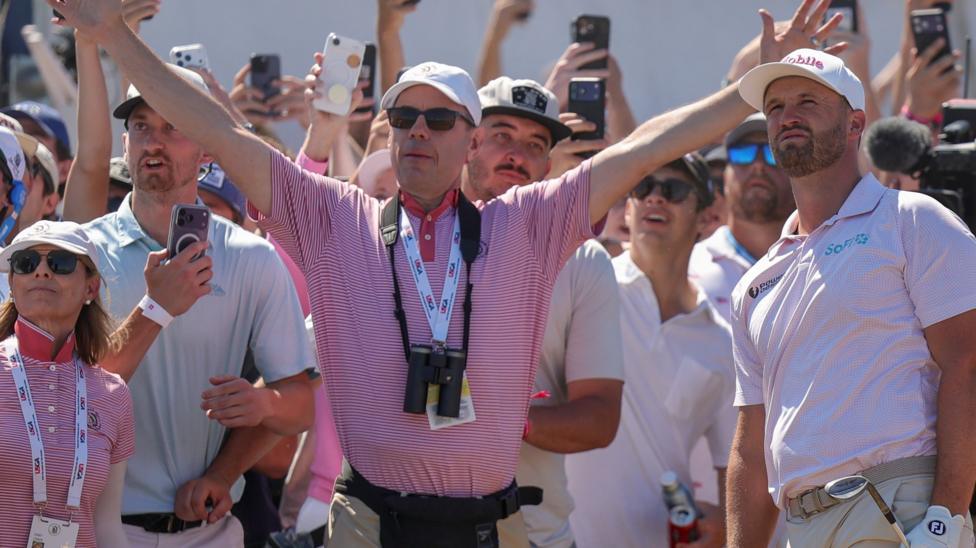
US Open Exposes Golf's Growing Behavior Crisis
Unruly scenes at Pinehurst reveal golf is losing its genteel identity, forcing officials into an urgent policing battle.