BBC Sport Keeps Football Rolling as World Cup Brilliance Fades
With the World Cup ending, BBC Sport pivots to relentless domestic football coverage ahead of the unprecedented winter restart.
The Pivot Point
The World Cup always leaves a vacuum. For four weeks every four years, the sport contracts to a single narrative, a single stage, a single set of heroes. Then the curtain falls and the football world is left staring at a chasm where the carnival used to be.
Not this time. BBC Sport has made its position clear: when the World Cup finishes, the football does not stop. It accelerates.
This is not mere scheduling convenience. This is a deliberate response to the most disrupted European season in living memory, one where the traditional August-to-May rhythm was fractured to accommodate a winter World Cup in Qatar. The result is a fixture calendar that resembles a compressed spring more than a leisurely winter, with clubs returning to domestic action barely a week after the global showpiece concludes.
For broadcasters, this creates both a logistical challenge and a strategic opportunity. BBC Sport has opted to treat the post-World Cup window not as a comedown but as a launchpad, promising substantial daily content as the English game transitions from international spectacle back to weekly grind.
The Compressed Calendar Problem
Why This Restart Is Unlike Any Other
Every previous World Cup has allowed clubs a proper preseason. Players returned from international duty with weeks to recover, reintegrate, and rebuild fitness. Managers had time to scheme. Fans had time to reset.
Qatar 2022 obliterated that template. Consider the timeline:
- World Cup final: December 18, 2022
- Premier League restart: December 26, 2022
- Full round of fixtures: December 30 to January 1, 2023
That is eight days between the biggest tournament on the planet and a fullPremier League programme. For the players involved in the latter stages, the turnaround is almost medically irresponsible. For the broadcasters charged with covering both events seamlessly, it is an operational gauntlet.
BBC Sport's commitment to daily content across this bridge period reflects the reality that fans are not switching off. They are transferring their attention, not abandoning it.
What BBC Sport Is Actually Delivering
Content Architecture in a Post-World Cup World
The promise of daily content is vague by design, but the substance behind it is concrete. BBC Sport's football coverage traditionally operates across several pillars, all of which intensify during transitional periods.
- Match of the Day remains the flagship, with the Christmas and New Year fixtures demanding expanded analysis and highlights packages.
- Football Focus shifts from World Cup storytelling back to domestic narratives, many of which shifted dramatically while the tournament was underway.
- Digital platforms carry live text commentaries, tactical breakdowns, and player ratings across the festive programme.
- Radio coverage via 5 Live provides the backbone for fans following multiple fixtures simultaneously.
The strategic logic is sound. The World Cup generates casual viewers who do not normally consume domestic football. Some of them stick around. BBC Sport's job during this pivot period is to capture that residual audience and convert it into sustained engagement.
The Tactical Landscape Clubs Face
Fitness, Form, and the World Cup Hangover
The on-pitch reality beneath BBC Sport's content schedule is far messier. Clubs are returning to action with their squads in wildly varying states of physical readiness.
Consider the asymmetry. Players whose nations were eliminated in the group stage returned to club duty by early December, effectively giving them a short preseason. Players who reached the latter stages may not have had a single training session with their clubs between mid-November and late December.
Data from previous post-tournament seasons is instructive, if imperfect as a comparison:
- After the 2014 World Cup, Premier League clubs saw an average per-game goals output of 2.77 in the opening six weeks, marginally higher than the season's baseline.
- After the 2018 World Cup, the comparable figure was 2.82 goals per game, again slightly elevated.
- Post-tournament upticks in goals often correlate with defensive disorganisation rather than attacking brilliance.
The Qatar aftermath is likely to amplify these distortions. A winter tournament means players are returning mid-season, theoretically fitter than they would be after a summer break. But tournament football imposes a psychological and physical tax that no amount of mid-season baseline fitness offsets. Burnout is not merely possible. It is probable.
The clubs that manage minutes wisely in January will be the ones still standing in April. The clubs that chase results with fatigued World Cup returnees will pay the price later.
The Bottom Line on the Broadcast Strategy
Why the Football Never Stops
BBC Sport's approach is recognition of a fundamental truth about modern football consumption. The sport no longer has an offseason in any meaningful sense. The transfer window opens. Players are linked. Preseason tours are announced. Content flows continuously.
The World Cup, rather than capping the year's football narrative, now serves as an intermission. The second act begins on December 26, and BBC Sport is positioning itself as the through-line.
For the Premier League specifically, the stakes are extraordinary. The season restarts with title races, top-four battles, and relegation fights all unresolved and compressed into a four-month sprint rather than the usual six-month grind. Every fixture carries amplified weight. Every dropped point is more costly.
The Festive Fixture Squeeze
A Christmas Programme Like No Other
The traditional Boxing Day programme is already one of the most demanding periods in English football. Adding a post-World Cup fatigue layer transforms it from a beloved quirk of the English calendar into a genuine sporting endurance test.
Clubs with deep squads will possess an advantage. Manchester City, for instance, had 16 players at the World Cup but also had sufficient depth to rotate. Smaller clubs with key individuals who carried heavy tournament minutes face a more acute dilemma.
The tactical adjustment will be visible. Expect fewer high-intensity pressing schemes in late December. Expect more structured, lower-block defending designed to conserve energy. Expect substitutes to matter more than at any other point in the season, as managers use their benches to manage fatigue rather than to chase games.
Verdict
BBC Sport's post-World Cup content push is both a service to fans and a shrewd media strategy. The football audience does not switch off after a World Cup final. It redirects. By maintaining daily coverage through the transition, BBC Sport captures viewers at the moment their attention is most malleable.
The domestic game returns with storylines still fresh from the autumn, now layered with World Cup narratives, transfer speculation, and the unique pressures of a compressed season. For the next four months, English football will move at a pace that makes the World Cup's four-week sprint look leisurely.
The tournament in Qatar will be remembered for what happened on the pitch. The season that follows it will be defined by who survives the aftermath.
BBC Sport, for its part, is ensuring nobody misses a moment of the survival.
Editorial Integrity
This is an original SportPulse article written by our editorial team. All content is independently researched, written, and reviewed by our writers and editors before publication. We do not publish copied, aggregated, or syndicated content.
SportPulse is committed to original sports journalism. Read our editorial policy or contact us with any questions.
More Like This
All football
52 Clubs Revolt: 'We Feel Betrayed' Over WSL Third Tier Takeover
A supermajority of National League clubs demand an emergency vote to block WSL academy sides from joining the third tier.
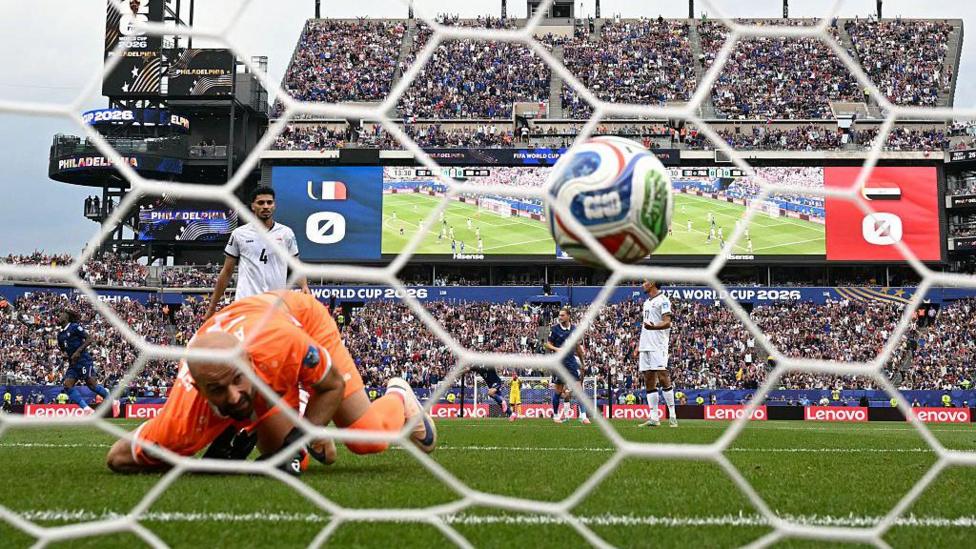
The Flight Risk: Is the Official World Cup Ball a Goalkeeper's Nightmare?
The World Cup ball's unique aerodynamics are rewriting goalkeeping manuals and punishing keepers caught flat-footed on long-range strikes.
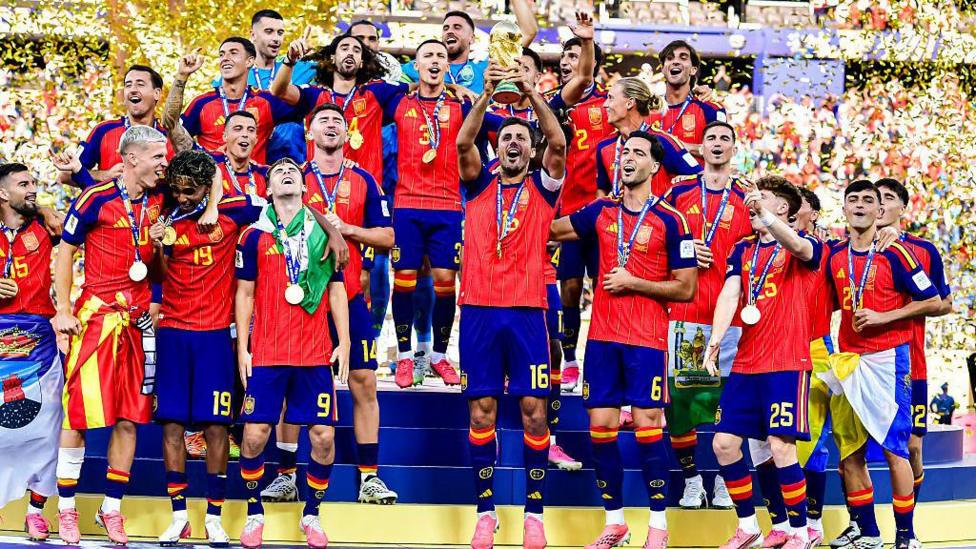
BBC's World Cup Delivers Record-Breaking Audience Across Every Platform
BBC Sport transformed World Cup consumption with a cross-platform broadcast strategy that shattered previous viewership records.