Crocker's Road Home: Belfast Crucial to Former Champion's Rebuild
After losing his IBF welterweight crown, Lewis Crocker's manager eyes Belfast as the launchpad for a second act.
The Sting of the Strap Leaving Your Waist
There is a particular silence that follows a championship loss. Not the roar of the crowd fading, not the referee's count, but the hollow hours after, when the belt you bled for sits in someone else's corner. Lewis Crocker knows that silence now.
The former IBF welterweight champion saw his reign end in the ring, and with it came the question every dethroned fighter must answer: What comes next? For Crocker, the answer, according to his manager Jamie Conlan, begins with one place.
"There are opportunities for Lewis, but back to Belfast would be key for his ring return." — Jamie Conlan
It is a revealing statement, layered with strategy, psychology, and the kind of boxing pragmatism that separates a career fizzling out from one reigniting.
Why Belfast Is Non-Negotiable
Conlan's words are not sentimental. They are tactical.
Belfast is not just where Crocker is from. It is where Crocker fights differently. The SSE Arena and Windsor Park have seen some of the most electric nights in Irish boxing history, and Crocker has been central to that energy. Fighting at home transforms a boxer's entire camp psychology. The sleep is better. The routine is sharper. The crowd becomes a sixth sense, a wall of sound that lifts you in the championship rounds when your legs are screaming to quit.
For a fighter coming off a title loss, that home advantage is not a luxury. It is oxygen.
Consider the precedent. Carl Frampton, a product of the same Belfast ecosystem, rebuilt from a devastating defeat to Leo Santa Cruz by returning to familiar territory. Michael Conlan, Jamie's own brother, drew some of his most passionate crowds in the city. Belfast does not just support its fighters. It believes in them with a ferocity that rattles visiting opponents before the first bell.
Crocker needs that belief now more than ever.
The Psychology of the Comeback
Every former champion faces the same invisible opponent: doubt. It whispers in sparring, lingers in the mirror, and shows up in the final minute of rounds you used to own. The path back from a title loss is as much a mental reconstruction as a physical one.
A Belfast homecoming fight solves several problems simultaneously. First, it removes the logistical stress of travel and unfamiliar surroundings. Second, it guarantees a sold-out arena that generates revenue, critical for a fighter whose purse expectations may need recalibrating after losing a belt. Third, and most importantly, it gives Crocker a narrative.
A comeback story needs a stage. Belfast is that stage.
Conlan understands this implicitly. As a former professional fighter himself, he has lived the highs and lows that come with the sport's brutal meritocracy. He knows that matching Crocker smartly, in front of a crowd that will carry him through the rough patches, is the fastest route back to title contention.
The Welterweight Landscape
The 147-pound division remains one of boxing's most competitive weight classes, stacked with elite talent and hungry contenders. Losing the IBF strap means Crocker has dropped out of the immediate title picture, but it does not mean the road back is blocked.
The division has a history of producing rapid resurgences. Fighters who lose belts often find themselves one or two impressive victories away from mandatory challenger status, particularly if the reigning champion is tied up with unification bouts or voluntary defenses.
For Crocker, the math is straightforward:
- A convincing win in Belfast rebuilds momentum
- A second dominant performance against ranked opposition reopens doors to the sanctioning bodies
- The IBF, in particular, has a track record of rewarding former champions who stay active
The key is activity. Sitting idle after a title loss is the surest way to fade from relevance. Conlan's eagerness to get Crocker back in the ring soon, and specifically in Belfast, signals a camp that has no intention of letting their man stagnate.
Behind the Deal: The Business of Rebuilding
Transfer Intel
There is a cold financial reality to losing a world title. The purses shrink. The sponsors get quieter. The phone rings less often. For Crocker's team, the priority is twofold: secure an opponent credible enough to move the needle with the sanctioning bodies, but manageable enough to bank a decisive victory.
Belfast as a venue also opens up broadcasting and promotional avenues that may not exist elsewhere. The Irish boxing market, fueled by passionate fans and a strong tradition at the amateur and professional levels, offers promoters a reliable revenue stream. Ticket sales in Belfast for a Crocker fight would likely outpace what the same bout could generate in a neutral venue.
That financial cushion matters. It means Crocker's team can afford to take a calculated risk with matchmaking rather than chasing a paycheck fight against a dangerous opponent just to keep the lights on.
What Happens Next
Conlan's comments suggest that discussions are already underway. The phrase "there are opportunities" is manager-speak for we have options on the table and we are choosing carefully.
Expect an announcement in the coming weeks. The most likely scenario: a homecoming bout in Belfast against a ranked contender, designed to showcase Crocker's resilience and set up a deeper run into the championship picture by the following year.
The loss stings. It always does. But in boxing, the measure of a champion is not the reign. It is what you do after the reign ends.
Lewis Crocker has the talent, the team, and the city behind him. Belfast is waiting. The bell is about to ring on the second act.
Editorial Integrity
This is an original SportPulse article written by our editorial team. All content is independently researched, written, and reviewed by our writers and editors before publication. We do not publish copied, aggregated, or syndicated content.
SportPulse is committed to original sports journalism. Read our editorial policy or contact us with any questions.
More Like This
All long-reads
From Hayes Estate to World Cup: Olise's Unlikely Rise
How a west London housing estate produced France's most exciting playmaker bound for the World Cup.
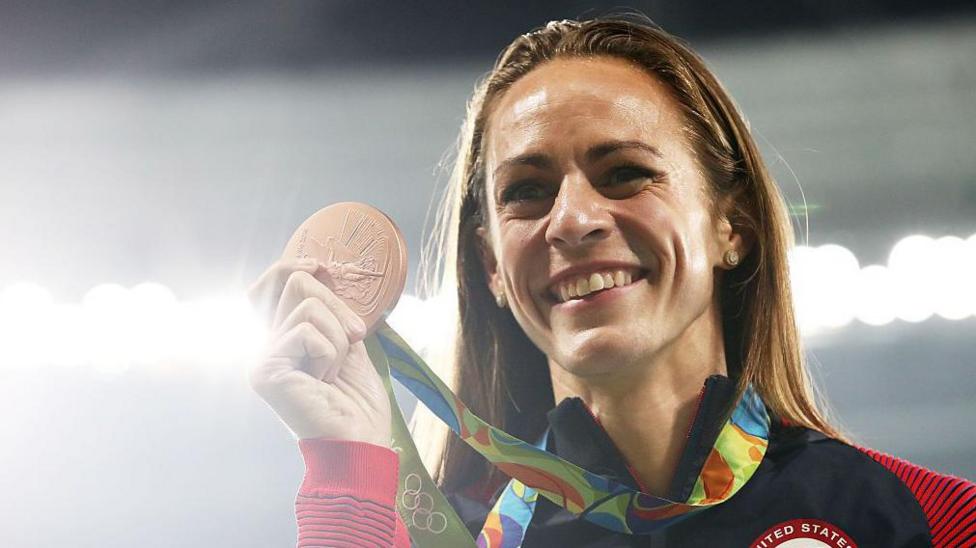
Jenny Simpson Hospitalized After Medical Incident at Raleigh Mile Event
America's most decorated female middle-distance runner of the modern era collapses during competition, raising urgent questions about athlete welfare.

From Hating Every Minute to World No. 1: Linsey Smith's Unlikely Rise
England's Linsey Smith despised international cricket at first. Now she sits atop the T20 bowling rankings.