Jenny Simpson Hospitalized After Medical Incident at Raleigh Mile Event
America's most decorated female middle-distance runner of the modern era collapses during competition, raising urgent questions about athlete welfare.
The Scene Nobody Wanted to See
Olympic medalist Jenny Simpson is receiving treatment in hospital following a "medical incident" at a mile event in Raleigh, North Carolina, her representatives confirmed. The details remain sparse, but the image alone is jarring: one of America's most accomplished middle-distance runners, an athlete who has spent two decades threading the needle between endurance and explosive speed, requiring emergency medical attention on the very stage where she built her legend.
The specifics of what transpired have not been fully disclosed. What we know is straightforward and sobering. Simpson collapsed during competition. Medical personnel responded. She was transported to a local hospital, where she remains under care. Beyond that, the athletics community is operating on fragments and prayer.
A Career That Redefined American Distance Running
To understand why this news hits so hard, you need to appreciate the weight of the name involved. Jenny Simpson is not just any Olympian. She is the 2011 World Champion in the 1500 meters, the 2016 Olympic bronze medalist in Rio, and one of only a handful of American women to consistently challenge East African dominance in middle-distance events over the past two decades.
Her résumé reads like a roadmap through the sport's highest peaks. A three-time NCAA champion at the University of Colorado. A nine-time USA national champion. The American record holder in the 3000-meter steeplechase at one point in her career before she pivoted to focus on the 1500m and mile. Her career arc spans from the Beijing Olympics in 2008 through multiple World Championship campaigns, making her one of the most durable and decorated athletes in American track and field history.
What set Simpson apart was not merely talent but tenacity. She competed in an era when the women's 1500m became one of the most brutally competitive events on the global calendar. Names like Faith Kipyegon, Genzebe Dibaba, and Sifan Hassan defined the world stage. Simpson refused to be a spectator. Her World Championship gold in Daegu came against a stacked field. Her Olympic bronze in Rio was earned, not gifted, as she navigated a tactical final that many expected her to be dropped from with 200 meters to go.
The Longevity Factor
What makes the Raleigh incident particularly unsettling is the context of Simpson's longevity. Athletes who compete at the elite level into their mid-to-late 30s carry a physiological ledger that doesn't always show up on a stopwatch. The cumulative stress of two decades of high-level competition, thousands of miles of training, and the hormonal and cardiovascular demands of elite endurance sport create a background hum of risk that is rarely discussed publicly.
Simpson, born in 1986, has been racing at or near the top of American distance running since she burst onto the NCAA scene in the mid-2000s. That is a staggering timeline. The human body is remarkably resilient, but it is also honest. Every elite athlete who competes into their late 30s is running a negotiation between ambition and biology.
The Broader Crisis of Athlete Safety
Simpson's collapse, whatever its specific cause, arrives against a backdrop of growing concern about medical incidents in endurance sport. The athletics world has been shaken in recent years by a series of high-profile collapses and health emergencies during competition and training. In 2023, multiple athletes experienced cardiac events during major marathons. The deaths of young, seemingly healthy competitors in collegiate and professional running have forced governing bodies to revisit their medical protocols.
The World Athletics medical guidelines recommend on-course defibrillators, trained medical staff, and heat stress monitoring at all sanctioned events. But the reality on the ground, particularly at lower-tier or community-level mile events like the one in Raleigh, can vary significantly. Race-day medical infrastructure is only as robust as the budget and planning behind it.
The question that hangs over Simpson's hospitalization is not just "what happened?" but "are we doing enough to protect athletes at every level of competition?" Elite runners are, by nature, conditioned to push through discomfort. That instinct, the one that wins medals, can also mask warning signs that a body is reaching its limit.
"You learn to override the signals. That's what makes you great. That's also what makes the margins very thin." — A sentiment echoed across professional distance running circles whenever medical emergencies occur at the elite level.
The Mile Event Context
The mile holds a special place in American track culture. The sub-four-minute mile remains one of sport's most iconic barriers, and the event has experienced a renaissance in recent years through organized street meets, Bowerman Track Club exhibitions, and community racing events designed to bring track to the people. These events are vital for the sport's visibility. But they also raise logistical questions about the level of medical preparedness when world-class athletes line up alongside recreational competitors.
Raleigh has become a growing hub for running culture in the southeastern United States, with a vibrant community of road racers, track clubs, and collegiate programs feeding into its scene. That Simpson was competing there speaks to the event's stature. That a medical incident occurred there speaks to the unpredictable nature of athletic exertion at any level.
The Waiting Game
As of this writing, details about Simpson's condition remain limited, and rightly so. Medical privacy matters, and the instinct to demand real-time updates on an athlete's health status should be tempered by basic decency. What we do know is that she was conscious enough to receive treatment and was transported to hospital for further evaluation. That is, at minimum, a hopeful sign.
The track and field community has already begun rallying around her. Fellow athletes, coaches, and fans have flooded social media with messages of support, a reminder that the sport's competitive veneer often gives way to something more human in moments like these.
Simpson's legacy is secure regardless of what comes next. World Champion. Olympic medalist. American record holder. The accomplishments are etched into the sport's history. What matters now is not the stopwatch or the medal count, but the person behind them.
The Bottom Line
Jenny Simpson's hospitalization is a stark reminder that elite sport operates on a razor's edge. A woman who has conquered the biggest stages in global athletics, who has stood on Olympic podiums and World Championship podiums, is tonight in a hospital bed in North Carolina. The details will emerge in time. For now, the athletics world holds its breath and hopes for the best from one of its finest.
The incident also demands a wider conversation. Not about Simpson specifically, but about the systems we build around athletes who push human performance to its limits. Medical protocols, event infrastructure, post-career health monitoring, and the cultural pressure to "push through" all deserve scrutiny. If the sport truly values its athletes, the response to moments like this must extend beyond well-wishes into structural change.
Verdict: Jenny Simpson gave everything to this sport. The sport owes her, and every athlete who follows her, a framework that prioritizes health as fiercely as it celebrates performance.
Editorial Integrity
This is an original SportPulse article written by our editorial team. All content is independently researched, written, and reviewed by our writers and editors before publication. We do not publish copied, aggregated, or syndicated content.
SportPulse is committed to original sports journalism. Read our editorial policy or contact us with any questions.
More Like This
All long-reads
Cancer Charity Stolen From Wilson's Home During Snooker Event
Kyren Wilson's home was burgled and cancer charity funds stolen while he competed in Leicester, exposing athlete vulnerability.
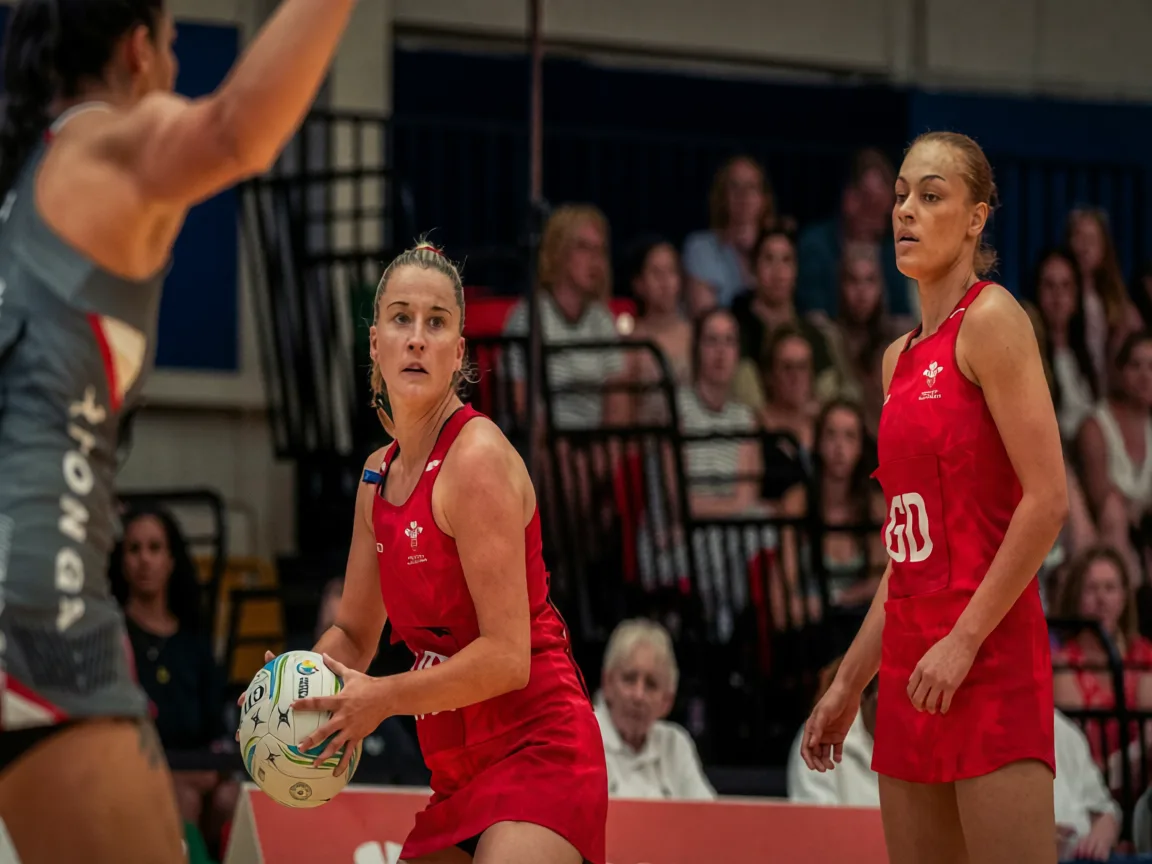
Wales Send Commonwealth Message With Tonga Win
Wales dispatched Tonga 65-52 in their final Commonwealth Games warmup, signaling they arrive ready to compete, not participate.
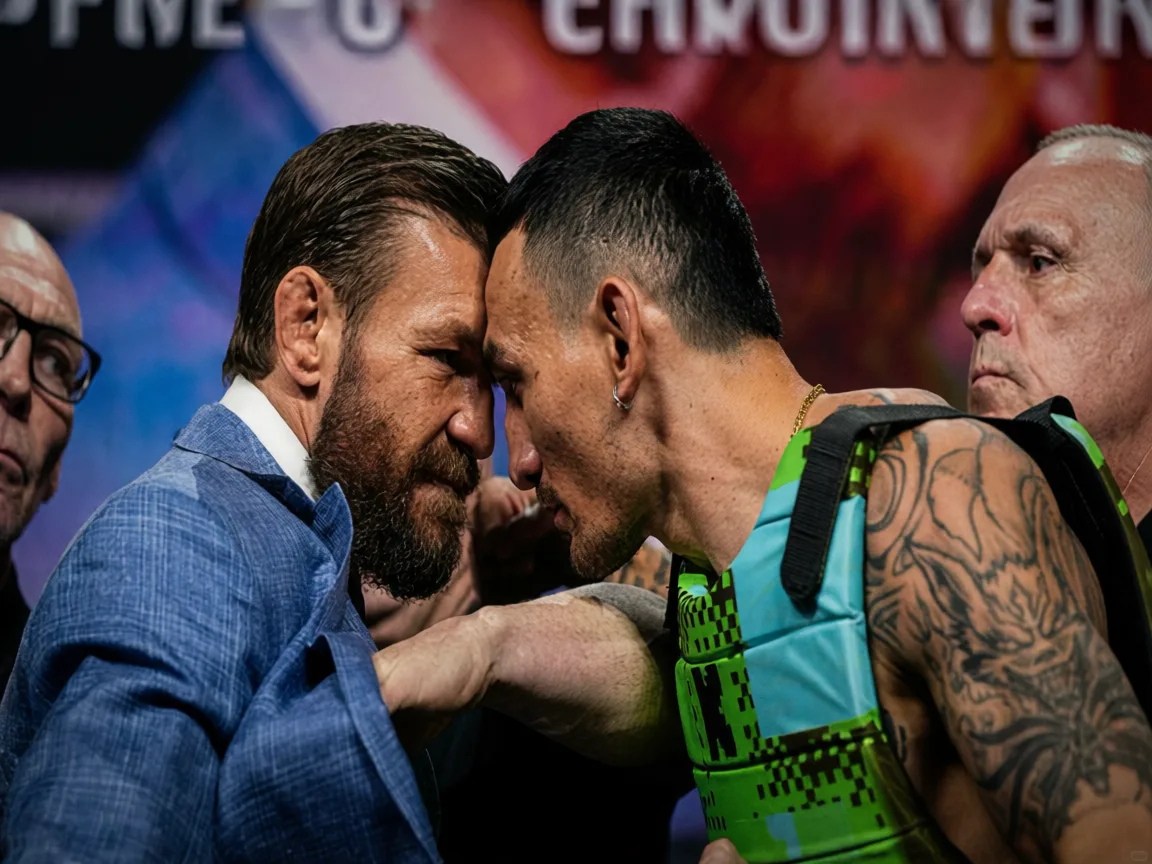
McGregor Rips Holloway's Glasses Off in Heated UFC 329 Face-Off
McGregor's theatrical glasses snatch exposes the psychological warfare underpinning his UFC 329 rematch with Holloway.