Kane Rescues England as DR Congo Push Three Lions to the Brink
Harry Kane bails out a disjointed England after DR Congo's tactical discipline threatens a historic World Cup upset.
A Shape That Should Have Been Routine
On paper, this was a Round of 32 fixture England were expected to navigate with professional ease. DR Congo arrived in the knockout rounds riding a wave of collective spirit and defensive compactness, but the talent gap appeared significant. What unfolded instead was a contest that exposed structural vulnerabilities in England's buildup play, tested Gareth Southgate's tactical patience, and required a moment of predatory instinct from Harry Kane to avoid what would have been one of the most seismic results in recent World Cup history.
England set up in their familiar 4-2-3-1, with Kane as the lone reference point and Anthony Gordon deployed wide on the left. The initial shape was designed to establish territorial dominance, with the double pivot tasked with recycling possession and feeding width. DR Congo, however, arrived with a clear defensive plan: a disciplined 4-4-2 low block that compressed the central corridors and forced England into lateral circulation. The opening twenty minutes saw England hold the ball without penetrating, a pattern that has become an uncomfortable hallmark of their tournament performances thus far.
DR Congo's Defensive Architecture
The Congolese defensive structure deserves serious respect. Their midfield four maintained remarkable horizontal compactness, rarely allowing gaps of more than fifteen metres between the ball-side central midfielder and the nearest wide player. This forced England's full-backs into deeper positions to receive switches of play, which in turn narrowed the attacking triangles available to the front four. Every time England tried to work combinations through the half-spaces, they found two or three red shirts converging on the ball carrier.
Lionel Mpasi was the standout performer in this defensive effort. The goalkeeper produced a series of interventions that kept DR Congo in the match far longer than their territorial deficit might suggest. His positioning on Kane's first-half headers was exemplary, and his reflexes on Gordon's curling effort midway through the first half drew audible gasps from the neutral sections of the crowd. On another night, with a lesser goalkeeper, England could have been out of sight by the interval.
"We knew we had to stay in the shape. We knew if we stayed compact and patient, the chances would come. The players executed the plan brilliantly for long stretches." — Sébastien Desabre, DR Congo head coach
Gordon's Barcelona audition
If the broader narrative around this match was England's struggle, the subplot was Anthony Gordon's continued audition for life at Barcelona. The Newcastle winger's impending move to Camp Nou has been one of the transfer stories of the summer, and his performance here offered a microcosm of why the Catalan club views him as a genuine system fit. Gordon's willingness to receive on the back foot, his acceleration in transitional moments, and his intelligence in pressing triggers were all on display.
His movement between DR Congo's right-back and right-sided central midfielder created recurring confusion in the first half. The problem was supply. England's central midfielders were too often drawn into the congested middle third, and the service to Gordon was inconsistent. When the ball did find him in advantageous positions, he was electric. His direct running forced multiple fouls in dangerous areas and his cutback for England's opening sequence of chances was the kind of incisive delivery that will have delighted Barcelona's recruitment analysts watching from the stands.
Yet Gordon also highlighted England's broader tactical tension. His instinct to drift infield and combine with Kane occasionally left the left flank vacant, inviting DR Congo to push their right-back higher and compress the pitch even further. Southgate's system relies on width to stretch opponents, but Gordon's natural game gravitates toward the crowded ten-space. It is a contradiction Barcelona will need to solve, but it also raises questions about how England optimise his skillset in the remainder of this tournament.
Cipenga's Strike and Pickford's Questions
The match's pivotal moment arrived when DR Congo, who had offered almost nothing as an attacking force, produced a goal that shook the entire structure of the contest. Cipenga's strike was both technically excellent and tactically revealing. It came from a phase of play where England's press had broken down in the middle third, leaving space between the defensive line and the midfield. DR Congo exploited this channel efficiently, and Cipenga's finish was measured and precise.
Jordan Pickford will face scrutiny for his role in the goal. He got a hand to the shot but could not divert it sufficiently, a marginal failure that underlines the thin margins at World Cup level. His overall performance rated as below par, and the England number one will know that as the tournament progresses into the quarter-final stages and beyond, these moments become increasingly unforgivable. Southgate's loyalty to Pickford has been one of the defining features of his tenure, but the competition for the shirt has never been more intense.
The Tactical Shift: Kane's Instinct Rescues a System
The turning point of this match was not a formation change or a personnel switch. It was a recalibration of England's pressing intensity in the final thirty minutes. Southgate's half-time instructions appeared to focus on pushing the defensive line higher and compressing DR Congo into a smaller block, which had the dual effect of reducing the space available for counter-attacks and creating shorter passing lanes for England's buildup.
The shift worked because it brought Kane closer to the goal. In the first half, the England captain had been dropping deep to link play, a pattern that DR Congo's centre-backs were comfortable following into midfield. The higher defensive line allowed Kane to operate in a more advanced zone, and his movement between the centre-backs became increasingly difficult to track.
Kane's goal was the product of this adjustment combined with his extraordinary spatial awareness. His ability to anticipate the flight of the ball, manufacture half a yard of separation, and finish with authority remains at a level that very few strikers in world football can match. It was a goal born of patience, positioning, and the cold-blooded efficiency that has defined his career.
What the Numbers Suggest
- England's expected goals figure significantly exceeded their actual output for the majority of the match, indicating that their attacking process was sound but the finishing was below standard until Kane intervened.
- DR Congo's defensive block sat at an average height approximately 25 metres deeper than England's, creating one of the most pronounced low-block engagements of the tournament's knockout phase.
- Mpasi made seven saves across the ninety minutes, a figure that underscores both England's territorial dominance and the goalkeeper's individual excellence.
- Gordon completed the most dribbles of any England player and drew four fouls, reflecting his direct threat even in a congested attacking environment.
The Bigger Picture for England
England advance, but the performance raises more questions than it answers. The recurring theme of this tournament has been their inability to break down compact defensive structures efficiently. Against teams willing to cede possession and defend deep, Southgate's side too often resort to lateral circulation without penetration, relying on individual moments of quality rather than systemic solutions.
Gordon's impending departure to Barcelona adds another layer of complexity. He has been one of England's most dynamic attacking outlets, and the prospect of losing his directness from the left flank will force Southgate to consider alternative configurations for the remainder of the tournament and beyond. The manager's tactical conservatism has been both a strength and a limitation throughout his tenure, and matches like this one amplify the debate about whether England have the tactical sophistication to beat the elite sides still standing in the draw.
"We found a way. That's what tournament football is about. It won't always be pretty, but the character of this group is outstanding." — Gareth Southgate, England head coach
What Comes Next
England's quarter-final opponents will have taken careful notes from this performance. The vulnerability to quick transitions through the middle third, Pickford's marginal positioning on the Cipenga goal, and the difficulty in servicing the wide areas against a disciplined block are all exploitable patterns. Southgate has days to recalibrate.
The pressing question is whether he trusts his system enough to push the defensive line higher from the start rather than waiting for the crisis point that forced the adjustment here. The 4-2-3-1 shape has served England well in terms of structural stability, but its attacking ceiling against deep blocks appears limited without the kind of positional rotations that elite coaches at club level have refined.
DR Congo exit the tournament with immense credit. Their tactical organisation, goalkeeping excellence, and collective resolve pushed one of the pre-tournament favourites to the absolute limit. Desabre's project has been one of the genuine stories of this World Cup, and the foundations laid here suggest a team capable of qualifying for future tournaments with increasing regularity.
For England, the path forward demands evolution. Kane's brilliance can paper over structural cracks for only so long. The quarter-finals will not forgive the same hesitations.
Editorial Integrity
This is an original SportPulse article written by our editorial team. All content is independently researched, written, and reviewed by our writers and editors before publication. We do not publish copied, aggregated, or syndicated content.
SportPulse is committed to original sports journalism. Read our editorial policy or contact us with any questions.
More Like This
All football
United's 100,000-Seat Vision Takes Shape as Land Deal Closes
Manchester United's stadium project gains real momentum with a 25-acre land acquisition near Old Trafford.
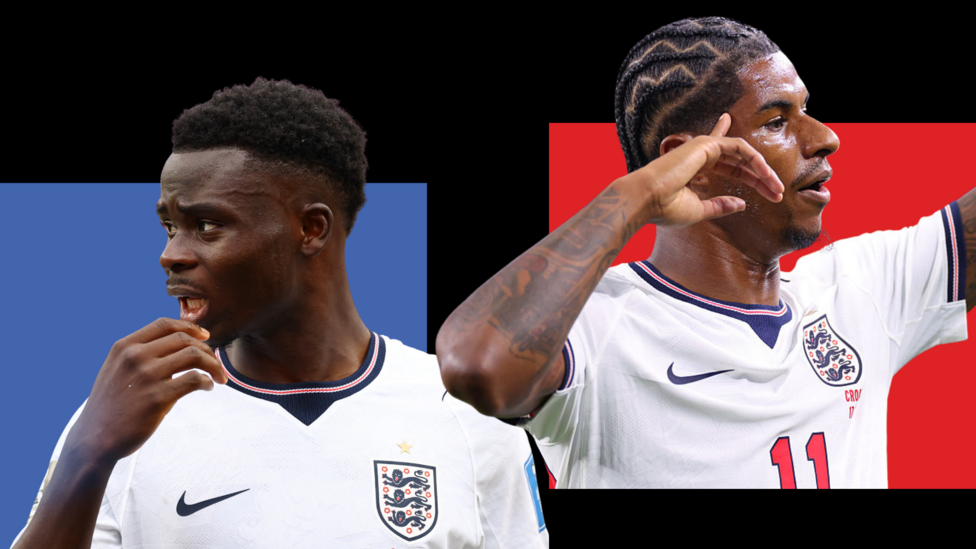
Shearer Sounds the Alarm: Saka and Rashford Must Start Against Panama
Alan Shearer demands personnel and mentality overhaul as Tuchel's England faces a must-win Panama clash.

FAI Greenlights Israel Fixtures: Pragmatism Over Politics
Ireland's General Assembly endorses Nations League matches against Israel, prioritizing sporting integrity and competitive positioning over political pressure.