England's Low Block Crisis: Why Tuchel Must Unlock Urgency Before Panama
A goalless stalemate with Ghana exposed England's oldest tactical wound ahead of their decisive Panama clash.
The Silence That Said Everything
When the final whistle blew after England's goalless draw with Ghana, there was no roar of defiance from the stands, no clenched fist from the touchline. Just silence. The kind of silence that tells you everything about what went wrong.
Thomas Tuchel's side had dominated possession. They had probed, recycled, and circulated the ball across Ghana's defensive shape for the better part of 90 minutes. And they had produced almost nothing of substance to show for it.
It was a performance that will have felt painfully familiar to anyone who has watched England at major tournaments over the past two decades. A team with superior individual talent, suffocated by an opponent content to sit deep, stay compact, and wait.
As Emma Hayes observed from her coaching vantage point, the draw brought back memories of countless games against sides that are "extremely compact, positioned very low, and very well drilled." The diagnosis is clear. The prescription, however, remains Tuchel's greatest challenge.
The Low Block: England's Recurring Nightmare
This is not a new problem. England's inability to dismantle deep-sitting defenses has been a tournament theme stretching back through multiple managerial eras.
Think back to the 2010 World Cup, when a functional Algeria side held England to a 0-0 draw in Cape Town. Think of the frustration against Iceland at Euro 2016, or the slow-burn struggles against Scotland at Wembley in 2021. The pattern is always the same: England dominate territory, recycle possession in a U-shape across the back four, and lack the incision to break the lock.
Under Tuchel, there was supposed to be a different answer. The German coach built his reputation at Borussia Dortmund and Chelsea on aggressive, vertically-minded football. His Chelsea side won the Champions League in 2021 with a system designed to suffocate opponents, but also to transition with devastating speed.
The problem is that transition football is only half the battle. When an opponent refuses to engage in transition at all, when they surrender the ball and retreat into a compact defensive shell, the calculus changes entirely.
Ghana understood this perfectly. They came to frustrate, and they succeeded.
What the Draw Exposed
Hayes identified the core issue with surgical precision: England lacked urgency. Not effort. Not intent. Urgency. There is a difference.
Urgency means playing the forward pass before the defensive shape resets. It means making the run in behind before the midfield screen settles. It means accelerating the tempo in the final third rather than allowing the opposition to dictate the rhythm of play.
England's buildup against Ghana was methodical, patient, almost too controlled. The ball moved side to side across the back line, waiting for a gap to appear. But low blocks don't give you gaps. You have to manufacture them through movement, deception, and decisive action.
Selection Dilemmas and Injury Doubts
In an ideal world, the only selection conundrum before England face Panama would be whether to rest Harry Kane or let the striker use a dead rubber against Group L's fourth seeds as a chance to keep up with Lionel Messi, Erling Haaland, Kylian Mbappé and the other Golden Boot contenders.
Yet any hope Tuchel had of giving the reserves a run out in New Jersey surely disappeared when his side drew 0-0 with Ghana on Tuesday and failed to win the group with a game to spare. Now complications remain. The schedule is brutal for England, who face a potential run of four games in 13 days, and Tuchel has a dilemma. This, after all, was surely the one that Ollie Watkins and Ivan Toney had marked down as a rare day off for Kane. But England still have to clinch top spot, so weighing up whether to get Kane to ease off before the last 32 is not as big a concern for Tuchel as working out how much of a risk to take with his rotation.
Further complicating matters are injury doubts over Declan Rice and Reece James. Both are carrying concerns that make them questionable for the Panama clash, deepening Tuchel's selection headache at a time when he can ill afford to lose key starters. Rice's availability is particularly significant given England's need for control and progression from midfield against a side that will concede the ball willingly, while James's marauding presence from right-back offers the kind of width and overload potential vital for cracking a low block. Their potential absences would not only force tactical reshuffles but also eat into the rotation Tuchel was hoping to manage across this grueling schedule.
The Rashford Question
One name keeps surfacing in the tactical conversation around England's attacking limitations: Marcus Rashford.
His inclusion in Tuchel's World Cup squad raised eyebrows after a turbulent club season. But the logic behind his selection becomes clearer when you consider the specific problem England face.
Against a deep-sitting defense, width and pace become weapons of disruption. Rashford's ability to stretch the pitch vertically, to run in behind and force centre-backs into uncomfortable decisions, is precisely the kind of movement that can crack open a low block.
The challenge for Tuchel is finding the right balance. Rashford's effectiveness diminishes when he is asked to participate in patient buildup play. He thrives in chaos, in the moment when a defence is momentarily disorganized. Getting the ball to him in those transitional pockets, even within a possession-dominant approach, is the tactical key.
"To break them down you need to play with more variety, better movement and, above all, urgency." — Emma Hayes on England's tactical requirements
That word again. Urgency.
The Panama Blueprint
Saturday's final Group L fixture against Panama presents an almost identical challenge. Panama are not expected to come out and play. They will sit deep, they will be disciplined, and they will make England work for every yard of space in the final third.
This is their identity. Panama have built their international reputation on defensive organization and collective resilience. They qualified for this World Cup on the back of tight, compact performances that frustrated technically superior opponents throughout qualifying.
Tuchel and his coaching staff will have spent the buildup days working on the specific details that could unlock the game. Expect training sessions focused on:
- Quick combinations in and around the box, particularly one-touch interplay between the attacking midfielder and the forward line
- Overloads in wide areas, with full-backs pushing higher and wider to create numerical advantages on the flanks
- Runs from deep, with midfielders arriving late into the box to exploit the space created by stretched defenders
- Set-piece precision, which often becomes the decisive factor against well-organized low blocks
The margins in these games are razor-thin. One moment of quality, one defensive lapse, one perfectly weighted through ball can be the difference between frustration and celebration.
Behind the Tactical Curtain
What makes the low block so effective against elite teams is not just its compactness. It is the psychological pressure it creates.
When you have 70% possession and still cannot score, the anxiety builds. Passes become safer. Runs become less adventurous. Players start taking an extra touch instead of playing the riskier forward ball. The crowd grows restless. The clock becomes the opponent.
England's players have felt this pressure before. The question is whether Tuchel has given them the tools and the confidence to play through it rather than retreat into the safety of sideways passing.
His halftime adjustments against Ghana will be telling. Did England improve after the break? Did they create more dangerous chances? If the answer is no, then Tuchel faces a more fundamental tactical reckoning than a simple training-ground fix.
What This Group Stage Really Means
The broader context matters here. England's group stage performance at this World Cup is being measured not just by results, but by the quality of their attacking play.
A goalless draw against Ghana is not a crisis. England may still qualify comfortably from Group L depending on other results. But the manner of the performance raises legitimate questions about whether this team can break down the kind of organized, defensive opposition they will inevitably face in the knockout rounds.
The knockout stages of a World Cup are where defensive discipline is rewarded. Teams that reach the quarter-finals and beyond are rarely open, expansive sides. They are compact, disciplined, and willing to absorb pressure. England cannot afford to arrive in those rounds still searching for answers against the low block.
The Urgency Starts Now
Saturday against Panama is not just a group-stage fixture. It is a diagnostic test. It is an opportunity for Tuchel to demonstrate that the lessons from the Ghana draw have been absorbed, that the tactical adjustments are in place, and that his players have the mentality to impose themselves on an opponent that wants nothing more than to frustrate them.
The key phrase from Hayes' analysis is worth repeating: "It took England too long to play with urgency."
Against Panama, they cannot afford to wait. The urgency needs to be there from the first whistle. The movement needs to be sharper, the passing more decisive, the attacking intent more ruthless.
Tuchel has the players to solve this puzzle. Rashford's pace, the creativity of the midfield, the overlapping runs from full-back. The pieces are there. The question is whether England can assemble them quickly enough, with enough conviction, to break Panama's resistance before frustration takes hold.
One thing is certain: the eyes of a nation will be watching, and patience is running thinner than ever.
Updated: 2026-06-27 — Added injury doubts for Rice and James and details on Tuchel's selection dilemmas
Editorial Integrity
This is an original SportPulse article written by our editorial team. All content is independently researched, written, and reviewed by our writers and editors before publication. We do not publish copied, aggregated, or syndicated content.
SportPulse is committed to original sports journalism. Read our editorial policy or contact us with any questions.
More Like This
All football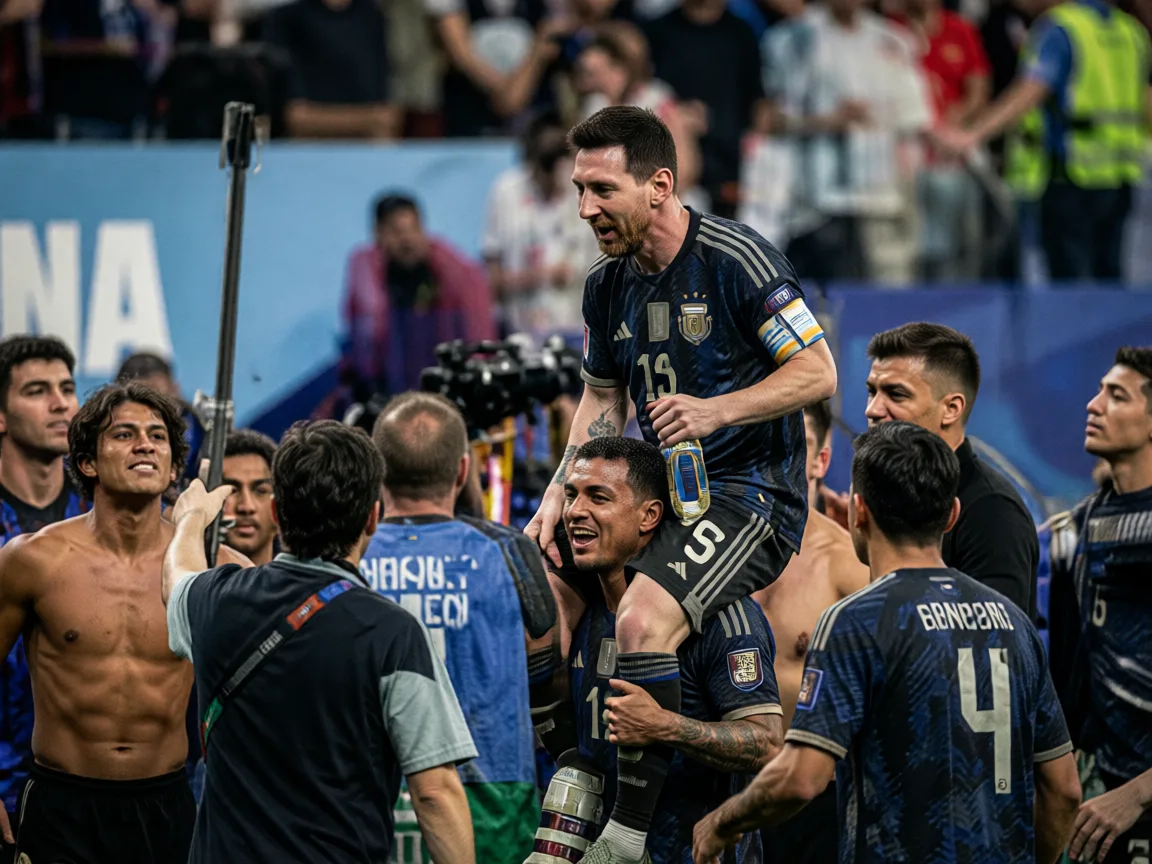
Argentina's Dark Arts Break England Hearts in World Cup Semi
Argentina's calculated cynicism and streetwise edge exposed England's naivety in a brutal 2-1 World Cup semi-final in Atlanta.
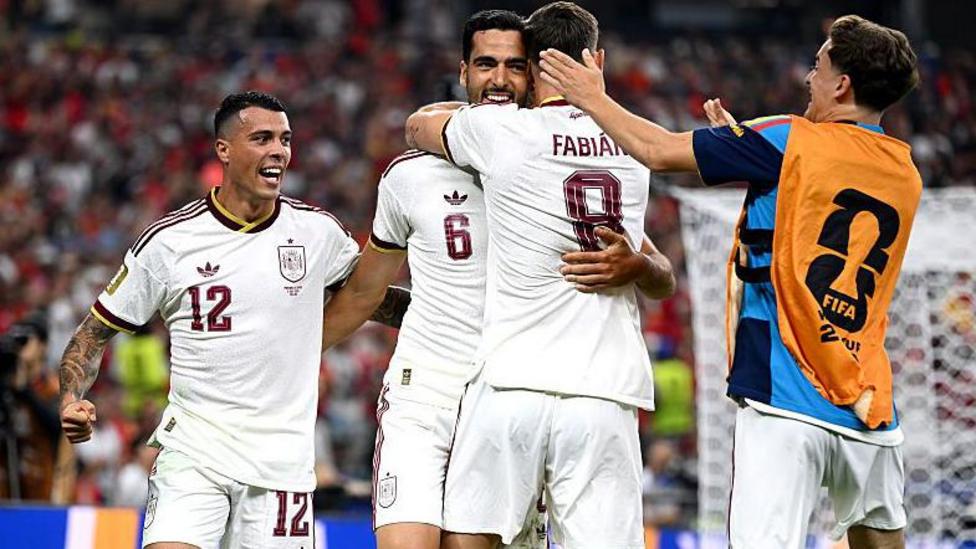
Spain's World Cup Hopes Ride on Unlikely Defensive Identity
La Roja's path to a second World Cup title is being paved by a historic defense, not their celebrated attack.

Tartan Army Conquers America: Scotland's Fans Steal the World Cup Spotlight
Scotland's traveling supporters have become the World Cup's most beloved export, turning American stadiums into Highland cathedrals.