One Mention in 25 Pages: How FIFA's Privatisation Plan Sidelines Women
FIFA's collapsed World Cup selloff barely acknowledged women's football, yet the sport absorbed the heaviest structural risk from private equity colonisation.
Gianni Infantino's FIFA has a recurring habit: treating women's football as infrastructure to be monetised rather than a sport to be developed. The latest episode fits the pattern with depressing precision.
A 25-page sales deck circulated to FIFA's 211 member associations proposed selling stakes in the World Cup to private investors. The document mentioned women's football exactly once. That single reference, buried inside a proposal that has since collapsed into what one observer accurately called "very expensive waste paper," tells you everything about where the women's game sits in Infantino's strategic hierarchy.
The plan is dead. The mindset that produced it is not.
FIFA's pitch deck represented the most aggressive privatisation attempt in the governing body's history. The proposal would have opened World Cup commercial rights to private capital, restructuring the tournament's financial architecture to satisfy investors whose horizons rarely extend beyond quarterly returns.
Women's football received a single mention across those 25 pages. Not a dedicated section. Not a risk assessment. Not even a paragraph contextualising how private equity control over the World Cup commercial stack would affect the Women's World Cup's growth trajectory, broadcast valuations, or prize money negotiations.
One line. In a document that would have reshaped the commercial foundations of both tournaments for decades.
The omission is not incidental. It reflects an operating philosophy where women's football functions as a line item in a balance sheet rather than a sport with its own competitive integrity, commercial momentum, and stakeholder obligations. The Women's World Cup has generated record viewership and sponsorship interest. None of that earned it analytical space in a document proposing to sell the house it lives in.
UEFA's response was unambiguous. European national teams would not participate in any FIFA competition while the privatisation proposals remained viable. The statement demanded the proposal be "abandoned in its entirety" and insisted on "binding assurances" that FIFA would "never again open its governance or competitions to private ownership."
European national teams would not "participate in any Fifa competition for so long as these proposals remain alive, unless this proposal has been abandoned in its entirety and binding assurances have been given that Fifa will never again open its governance or competitions to private ownership."
That ultimatum was the decisive intervention. Without European participation, the World Cup loses its commercial engine. Sponsors evaporate. Broadcast deals crater. The tournament Infantino was proposing to sell stakes in would have been worth a fraction of its current valuation. UEFA understood the leverage. FIFA understood the math.
The proposal collapsed because the arithmetic collapsed. Not because FIFA's leadership recognised that selling stakes in the World Cup to private equity was structurally corrosive to the sport's governance.
Private equity investment in football follows a predictable pattern. Capital enters. Control follows. Returns are extracted. The entity that provided the asset, in this case the sport itself, absorbs the downside while the investor pockets the upside.
For the men's World Cup, the consequences would be manageable in the short term. The tournament's revenue base is mature, its broadcast contracts locked into multi-billion-dollar cycles, its commercial partners deeply integrated. Private equity involvement would compress margins and redirect revenue flow, but the underlying product would survive the experience, diminished but intact.
Women's football occupies a categorically different position. The Women's World Cup is in a growth phase where revenue reinvestment directly determines competitive development, infrastructure expansion, and global reach. Every dollar redirected toward investor returns is a dollar that does not fund prize money increases, youth development programmes, broadcast infrastructure in emerging markets, or professionalisation of domestic leagues.
Private equity does not subsidise growth. It acquires assets it believes are undervalued and extracts the appreciation. Women's football, with its rapid commercial ascent and comparatively low current valuation, presents an attractive target precisely because the gap between present value and future potential is enormous. That is the scenario FIFA's 25-page deck was engineering, whether its authors understood it or not.
This is not the first time Infantino's FIFA has positioned women's football as a means to an end rather than an end in itself.
The expanded 32-team Women's World Cup in 2023 was framed as a progressive milestone. The prize money, while increased, remained a fraction of the men's equivalent. FIFA's financial distribution model after the tournament directed the majority of revenue back to federations with minimal ringfencing for women's programmes, allowing national associations to divert funds as they saw fit. The structural incentive to invest in women's football remained optional.
Infantino has also repeatedly used the women's game as a rhetorical shield when his administration faces criticism over men's football governance, labour conditions at tournaments, or financial transparency. The pattern: point to women's football growth numbers when convenient, withhold structural investment when it matters.
The privatisation proposal continues that trajectory. Women's football was a negligible consideration in the document. It would have been a primary casualty of the outcome.
The immediate crisis is resolved. UEFA's intervention killed the proposal. The World Cup remains outside private equity's portfolio. The underlying condition persists. FIFA's leadership produced a 25-page document proposing to sell stakes in football's most valuable tournament and could not find space for a substantive analysis of how that would affect the women's game. The women's football community learned its place in that hierarchy through the medium of omission.
With youth and senior qualifiers approaching, FIFA's attention will shift back to operational logistics. The privatisation plan will recede from public discussion. Infantino will continue to cite Women's World Cup expansion and viewership records as evidence of commitment.
The sales deck is waste paper. The instinct that produced it is intact, waiting for a moment when European leverage is weaker and the financial pressure to monetise football's assets overrides the obligation to protect them.
Editorial Integrity
This is an original SportPulse article written by our editorial team. All content is independently researched, written, and reviewed by our writers and editors before publication. We do not publish copied, aggregated, or syndicated content.
SportPulse is committed to original sports journalism. Read our editorial policy or contact us with any questions.
More Like This
All long-reads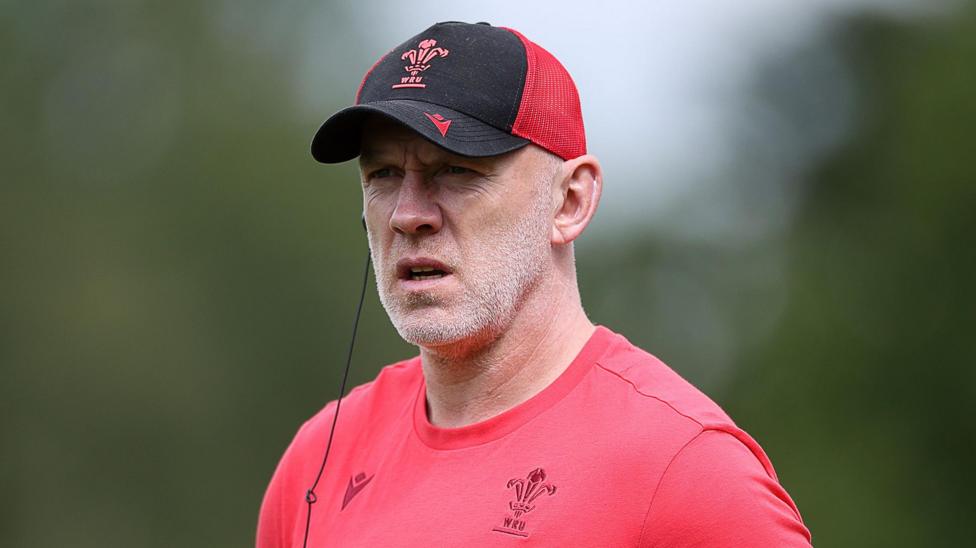
Tandy Relieved as Wales Pay Dispute Resolved Ahead of Fiji Test Opener
A fragile truce between Wales players and the WRU clears the path for Steve Tandy's squad to focus on Fiji.
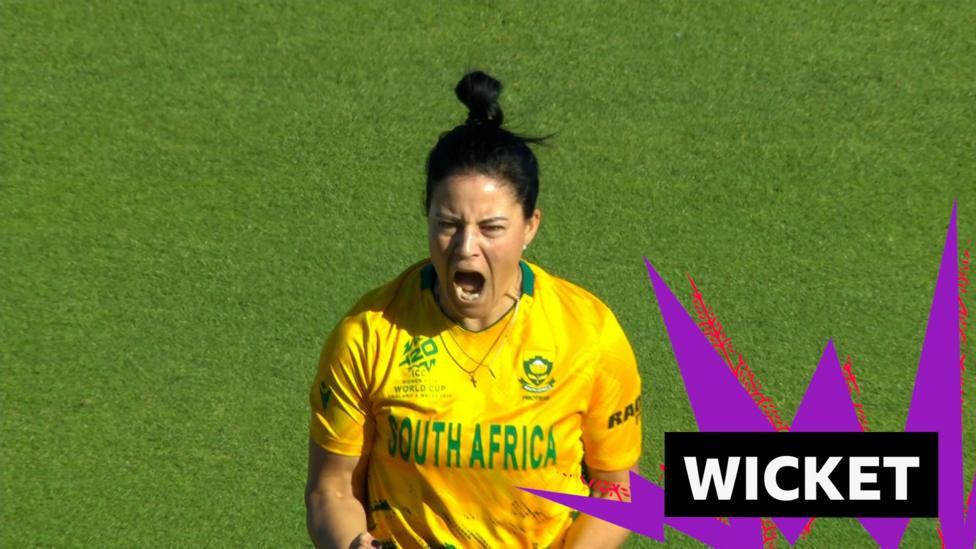
Kapp's Thunderbolt Leaves England Reeling at 20-2 in World Cup Semi
Marizanne Kapp removed Danni Wyatt-Hodge for 12 as South Africa ripped through England's top order in a dream start to their T20 World Cup semi-final.

The Welsh Doctor Behind England's 1966 World Cup Glory
England's 1966 World Cup triumph had an unlikely Welsh architect: the team doctor who kept the squad fit and sang on Top of the Pops.