France Reload Midfield for Spain Semi-Final Clash
Tchouaméni returns from injury and Barcola gets the nod as France reshuffle for their World Cup 2026 semi-final against Spain.
The team sheets are in, and Didier Deschamps has made his move. France will face Spain in the 2026 World Cup semi-final with two changes from the side that ground past Morocco in the quarter-finals. Aurélien Tchouaméni returns from injury to reclaim his midfield anchorman role, while Bradley Barcola replaces Désiré Doué on the left flank. It is a statement of intent from a coach who rarely deviates from his trusted core. The stakes at this stage of a World Cup do not permit experimentation, and every selection carries tactical weight.
The Midfield Pivot That Changes Everything
Tchouaméni's return is the single most significant team news for France. He replaces Manu Koné, who deputised admirably during the quarter-final but lacks the Real Madrid man's commanding physical presence and passing range. Against a Spanish midfield that will inevitably dominate possession, France need a player who can absorb pressure, break lines with vertical passing, and shield the back four without committing fouls in dangerous areas.
The 24-year-old brings a calm authority that Koné, for all his energy, cannot replicate. Tchouaméni's ability to read transitional moments is elite. He wins 2.8 tackles per 90 minutes in international play and ranks among France's most reliable ball recyclers. Deschamps knows that if France are to exploit Spain's high defensive line, Tchouaméni must be the one firing passes into the channels for Kylian Mbappé and Ousmane Dembélé to chase.
Adrien Rabiot retains his place alongside Tchouaméni. The Juventus midfielder offers verticality and late runs into the box, complementing the deeper-lying role of his partner. Rabiot has been one of France's most consistent performers this tournament, averaging 1.9 interceptions and completing 88% of his passes across the six games leading into this semi-final. Together, the pair form a double pivot that blends physicality with technical security.
The Barcola Gambit
The decision to start Barcola over Doué is the more intriguing call. Doué was bright against Morocco, stretching the play and linking intelligently with Mbappé. But Barcola offers something different: raw pace and directness that can punish a Spanish defence pushed high up the pitch.
The Paris Saint-Germain winger has been used sparingly this tournament, often introduced from the bench to stretch tired legs. Starting him suggests Deschamps wants to test Spain's back line early. Barcola's pace in behind forces Spanish centre-backs to make a choice: step out to engage and risk Mbappé exploiting the vacated space, or drop deep and surrender the territorial initiative. It is a classic Deschamps setup. Absorb, frustrate, and then strike with devastating速度.
The Front Line of Firepower
Mbappé leads the line, flanked by Barcola on the left and Dembélé on the right. Michael Olise operates in the creative role behind the striker, with Rabiot and Tchouaméni holding the fort. It is a front four capable of breathtaking fluidity. Olise, in particular, has been the revelation of this tournament for France. His vision and set-piece delivery have added a dimension France have previously lacked.
Mbappé's numbers speak for themselves. He has been directly involved in nine goals at this World Cup, combining finishes and assists with a relentlessness that borders on the absurd. Spain will know that keeping him quiet is the prerequisite for any chance of progression. But focusing too much attention on Mbappé opens the door for Dembélé and Olise, both of whom have the quality to punish any defence.
The Defensive Foundation
Mike Maignan starts in goal, as expected. The AC Milan shot-stopper has been faultless this tournament, conceding just three goals in six matches. In front of him, Deschamps keeps faith with the back four of Jules Koundé, William Saliba, Dayot Upamecano, and Lucas Digne. Saliba and Upamecano form the central defensive partnership that has been the bedrock of France's campaign.
Koundé at right-back offers defensive solidity against Spain's wide threats. Digne, preferred to Theo Hernandez for the second consecutive match, provides a more conservative presence on the left. It is a back four designed first and foremost to not concede. Against Spain's intricate passing game, that pragmatism could be the difference.
The Bench Dynamics
Deschamps has named a bench that offers genuine tactical flexibility. N'Golo Kanté is available as a midfield stabiliser if France need to shut up shop. Theo Hernandez provides an attacking full-back option if chasing the game. Marcus Thuram offers an aerial threat as a late target man.
The presence of Rayan Cherki and Amine Gouiri as attacking options shows the depth France possess. If the game is tight heading into the final twenty minutes, Deschamps has the personnel to change the tempo and approach. This is a bench built for every eventuality.
The Spanish Challenge
Spain will present the most difficult tactical puzzle France have faced this tournament. La Roja's possession game is among the best in international football. Their midfield trio will see the majority of the ball. France's game plan is surely to accept that reality and look to strike on the counter.
Tchouaméni's return is a direct response to the Spanish midfield threat. Without him, France would risk being overrun in the central zones. With him, they have a player capable of disrupting Spain's rhythm just enough to create transitional opportunities.
What It Means
This semi-final is a clash of football philosophies as much as it is a contest between two gifted squads. France's team selection tells you exactly what Deschamps is thinking. He is not going to engage Spain in a possession contest. He is going to sit, absorb, and then hit with lethal precision through Mbappé and the pace around him.
The return of Tchouaméni is the keystone that holds the whole structure together. Without him, the midfield cracks. With him, France have the steel and the subtlety to match Spain's artistry. Barcola's inclusion adds a dimension of directness that could unsettle a Spanish defence unaccustomed to dealing with such raw speed.
A win puts France in their second consecutive World Cup final. A loss will prompt questions about Deschamps' pragmatic approach. But that is the nature of tournament football. The margin between genius and conservatism is measured in results, not aesthetics. By 2pm local time, the talking stops and France's carefully constructed game plan faces its ultimate test against the best possession side in the tournament.
Editorial Integrity
This is an original SportPulse article written by our editorial team. All content is independently researched, written, and reviewed by our writers and editors before publication. We do not publish copied, aggregated, or syndicated content.
SportPulse is committed to original sports journalism. Read our editorial policy or contact us with any questions.
More Like This
All football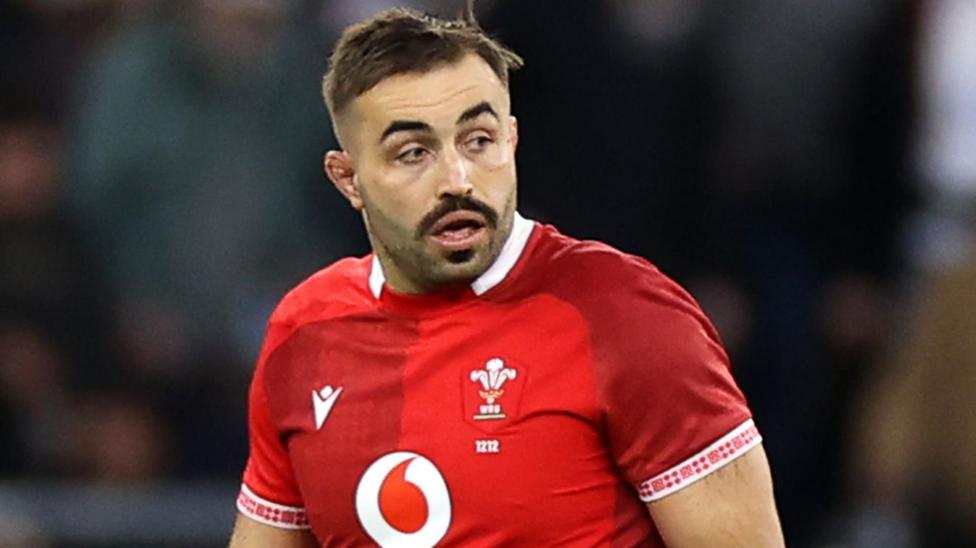
Belcher Neck Injury Deals Wales Massive Summer Blow
Cardiff and Wales captain Liam Belcher is ruled out of summer internationals with a neck injury, derailing the squad's rebuild.
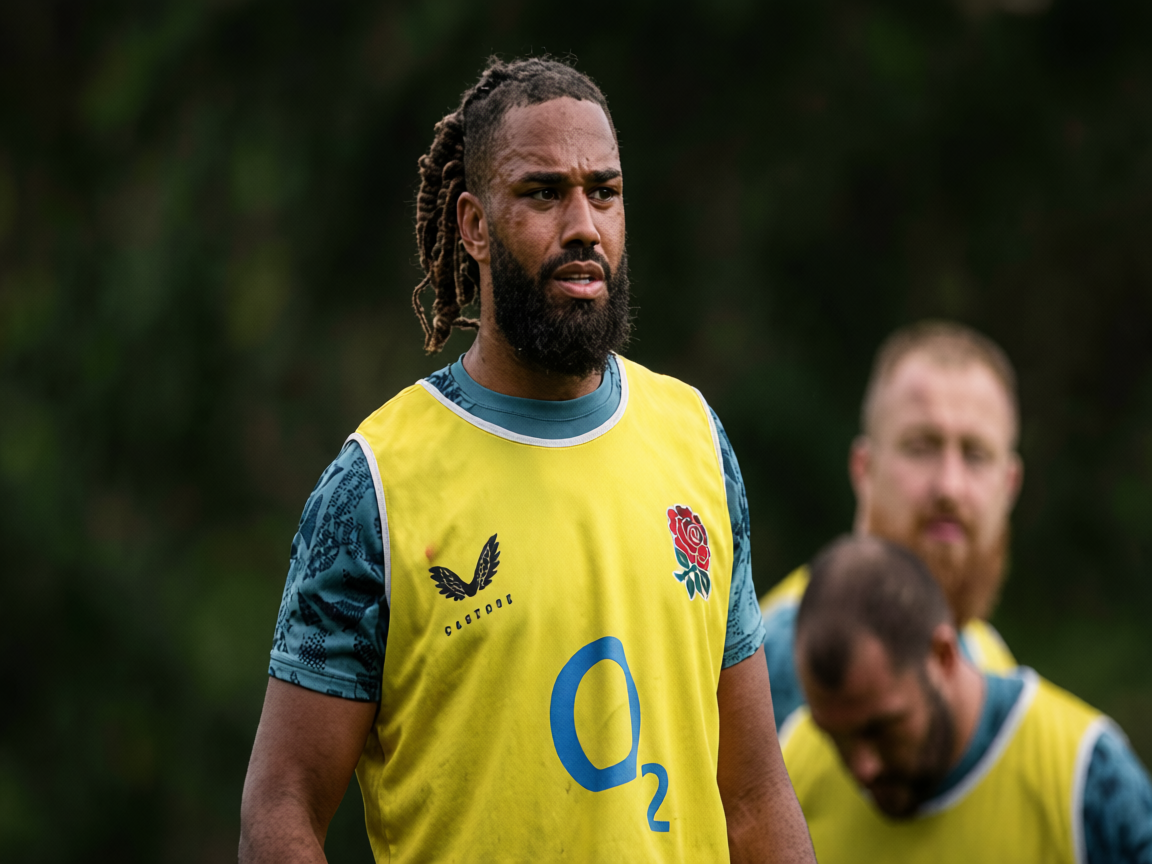
England Swap Wings for Power in Fiji Call-Up Shock
Harlequins forward Chandler Cunningham-South replaces injured wing Cadan Murley for England’s Nations Championship clash with Fiji.
Storm Warning: Mbappé's Century and a Ruthless France Brush Past Iraq
Kylian Mbappé marked his 100th cap with a brace as France sealed knockout qualification despite a two-hour weather delay.