Three Weeks, One Collarbone, Zero Doubt: Tarling's Miraculous Tour Debut
Josh Tarling defied medical timelines to go from operating table to Tour de France start line in just 21 days.
From Hospital Bed to Cycling's Biggest Stage
Most riders who break a collarbone in June write off their Tour de France. The arithmetic simply doesn't work: four to six weeks for bone healing, another two to three weeks to rebuild fitness, and suddenly July's Grand Boucle is a fantasy rather than a plan. Josh Tarling apparently never got that memo.
Twenty-one days. That's the window between the young Welshman going under the knife after a crash shattered his collarbone and his name appearing on Ineos Grenadiers' Tour de France roster. It's the kind of timeline that raises eyebrows in team buses and medical offices alike, a gamble that only makes sense when you understand who Tarling is and what he represents for a squad desperate to reassert itself on cycling's grandest stage.
Who Is Josh Tarling?
For the uninitiated, Tarling is arguably British cycling's most exciting talent since a teenage Remco Evenepoel was still playing football. Born in 2004 in Aberaeron, Wales, he has been smashing age-group records since he first clipped into a time trial bike. His palmares already punch well above his years: a European Championships time trial title in 2023, national records, and performances against the clock that have drawn comparisons to the sport's great chronomen.
He joined the Ineos Grenadiers setup as a neo-professional, immediately signaling the team's intent to invest in a generational time trialing talent. At 1.94 meters, Tarling possesses the kind of aerodynamic engine that modern Grand Tour teams covet. In an era where stage races are often decided by individual time trial margins measured in seconds, having a rider who can deliver 550+ watts over sustained efforts while maintaining an impossibly low CdA is worth its weight in carbon fiber.
The Crash and the Clock
The collarbone fracture came at the worst possible moment, arriving in the critical build-up window when Tour rosters are being finalized and training blocks are supposed to peak. Collarbone breaks are the cycling peloton's most common fracture, typically sidelining riders for a minimum of four weeks before they can even consider returning to structured training on the road.
What followed was a crash course (no pun intended) in modern sports medicine and sheer willpower. Surgery to plate and fix the fracture was performed immediately, and Tarling began a rehabilitation protocol that most medical professionals would describe as aggressive. Within days he was back on the turbo trainer. Within two weeks he was back on the road. By the time Ineos needed to submit their final eight-man squad, Tarling had done enough to convince the team's performance staff that he could not only start the Tour but contribute meaningfully from the opening stages.
What Role Will He Play?
This is the critical question. No one expects Tarling to be contesting general classification in his first Tour de France, especially not three weeks removed from a broken bone. His role will be more nuanced and, in many ways, more strategically vital for Ineos.
The Time Trial Weapon
The Tour de France route always features at least one individual time trial, and in recent editions these stages have become kingmakers. Tarling's ability to produce world-class power numbers over 30 to 40 kilometer efforts gives Ineos a tactical card that few other teams possess. Even at 80 or 85 percent fitness, his baseline TT ability likely exceeds most domestiques at full gas.
The Leadout and Flat Engine
On flat and rolling stages, Tarling's raw power makes him an asset in the leadout train and on the front of the peloton during crosswind chaos. Ineos have historically thrived when they can control the bunch with sustained high-wattage riding, and a healthy Tarling adds another engine to a team that has sometimes lacked depth in that department.
Psychological Edge
There's also an intangible factor here. Tarling's mere presence on the start line sends a message: this kid is built different. After years of criticism that Ineos have lost their aura since the Team Sky dominance era, rolling out a 20-year-old who literally recovered from surgery in three weeks to ride the Tour is a statement of intent and team culture.
The Risks Are Real
Let's not sugarcoat it. Rushing a rider back from a plated collarbone into the most physically demanding race on the calendar carries genuine danger. The Tour's opening week is notoriously chaotic, with nervous pelotons, narrow roads, and crashes that can end seasons in a heartbeat. A freshly healed collarbone is structurally weaker than a fully recovered one, and the metal plate, while strong, introduces its own biomechanical considerations.
Ineos will need to manage Tarling's workload carefully. Expect him to be sheltered in the peloton during the first few stages, conserving energy and avoiding unnecessary risks in the bunch sprints. The team will likely target specific stages where his abilities can be deployed without exposing him to the worst of the Tour's dangers.
There's also the question of cumulative fatigue. The Tour de France is 21 stages of progressive exhaustion. A rider entering the race with a compromised training block and recent surgical history may hit the wall earlier than his teammates. Ineos' sports science department will be monitoring his recovery markers, power data, and physiological responses with extraordinary granularity.
The Bigger Picture for Ineos
Tarling's inclusion speaks to a broader strategic shift at Ineos Grenadiers. The team that once dominated Grand Tours through meticulous preparation and an army of climbing domestiques is evolving. With Egan Bernal's long-term recovery still ongoing and the team's GC ambitions in flux, investing in a versatile young talent like Tarling represents a long-term play.
The Welshman's ceiling is enormous. If he can develop his climbing alongside his already elite time trialing, he could become a legitimate Grand Tour contender within the next three to four years. Giving him Tour de France experience now, even in a support role, accelerates that development timeline in ways that no amount of training camps or lower-tier races can replicate.
The Bottom Line
Ineos are making a calculated bet. They're wagering that Tarling's talent justifies the medical risk, that his collarbone is strong enough to survive three weeks of racing, and that the experience gained will pay dividends for years to come. It's the kind of bold, forward-thinking decision that defined the team's golden era.
What Comes Next
All eyes will be on Tarling during the opening time trial, wherever it falls on the route. If he produces a performance anywhere near his best, the narrative writes itself: the kid who defied the surgeons and the skeptics to announce himself on cycling's biggest stage.
If the collarbone holds, if the legs respond, if the stars align, Josh Tarling's Tour de France debut could become one of the stories of the summer. And if it doesn't work out? He'll still only be 20 years old with a decade of Grand Tours ahead of him.
But something tells me Tarling didn't spend three weeks fighting back from surgery to settle for a participation medal. This kid has been proving people wrong since he first started racing. The Tour de France is just the latest challenge he refuses to accept as impossible.
Editorial Integrity
This is an original SportPulse article written by our editorial team. All content is independently researched, written, and reviewed by our writers and editors before publication. We do not publish copied, aggregated, or syndicated content.
SportPulse is committed to original sports journalism. Read our editorial policy or contact us with any questions.
More Like This
All long-reads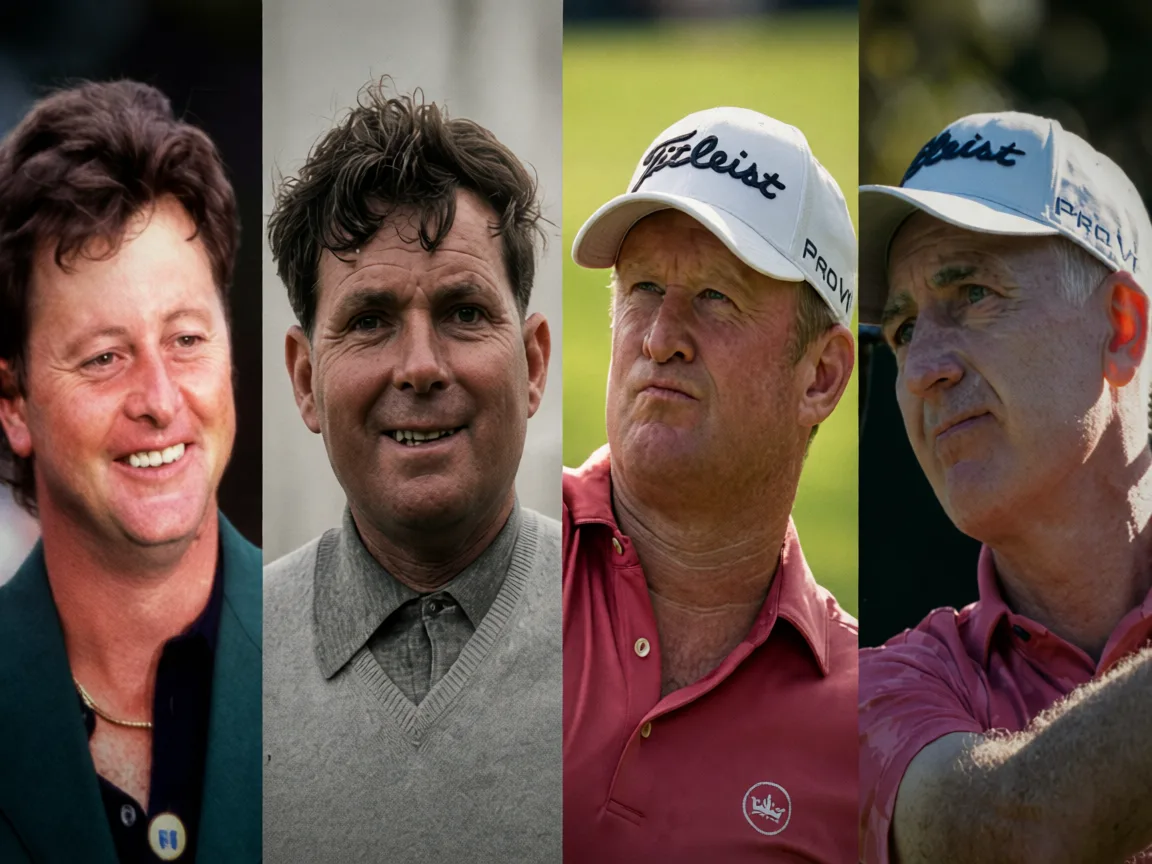
Wales' Male Golf Drought: Where Is The Next Star?
Three straight Open Championships without a Welshman. A nation rich in golfing heritage faces an uncomfortable question about its male pipeline.
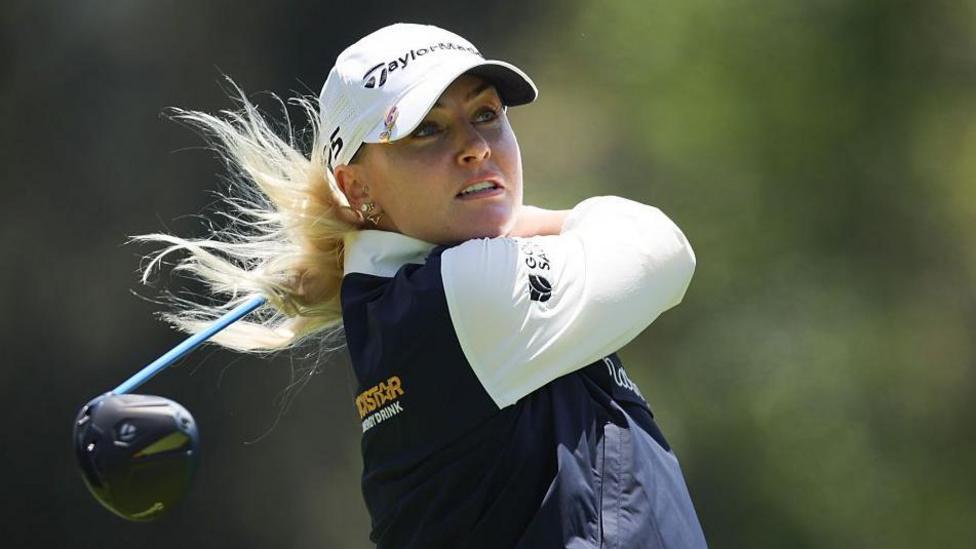
Charley Hull's US Open Heartbreak Signals Imminent Major Breakthrough
Charley Hull’s US Women's Open near-miss isn't a setback; it's the definitive statistical and tactical proof a major title is imminent.
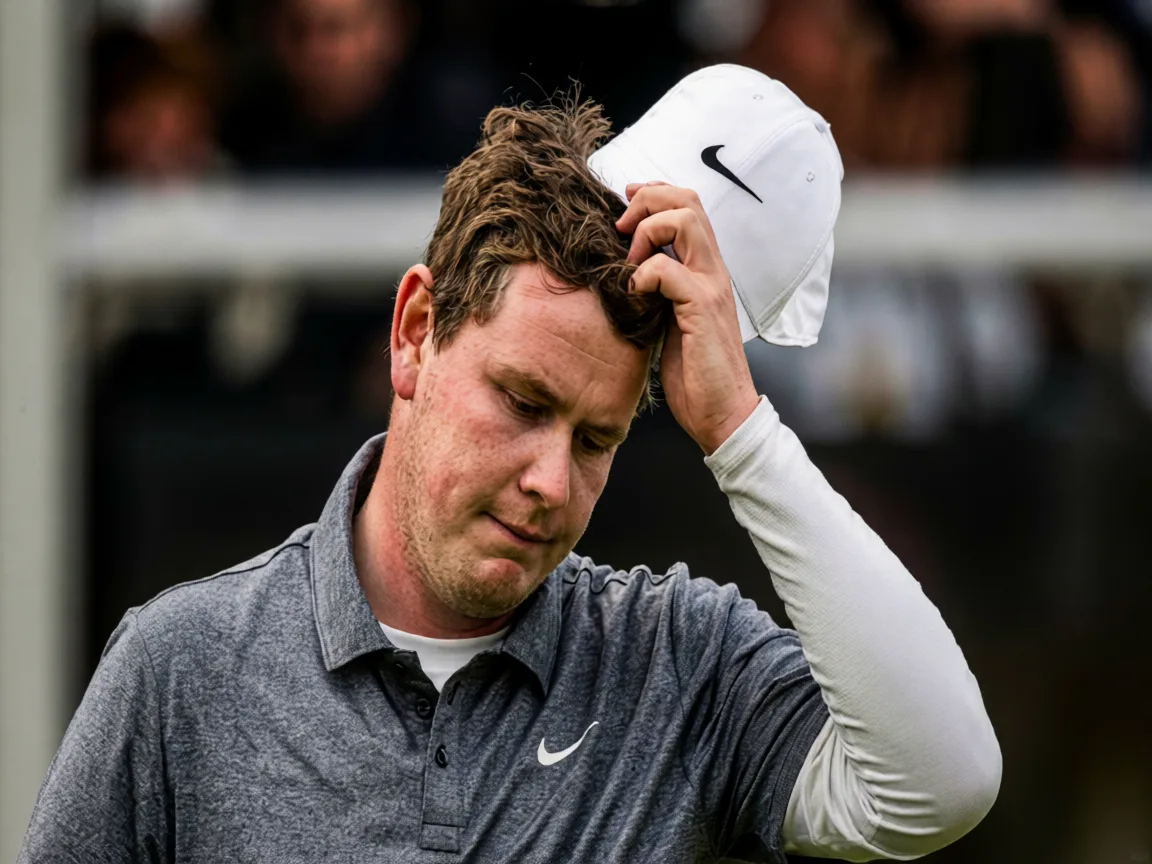
MacIntyre's Patience Masters Birkdale's Tactical Test
Robert MacIntyre's second-round 69 proves patience is the ultimate weapon at Royal Birkdale's brutal links chess match.