Wales' Male Golf Drought: Where Is The Next Star?
Three straight Open Championships without a Welshman. A nation rich in golfing heritage faces an uncomfortable question about its male pipeline.
The leaderboard loads. Names scroll past. American, English, Northern Irish, Australian, South African, Spanish. You keep scrolling. Scottish. Irish. More Americans. You scroll again. You scroll to the bottom. There is no Welsh flag. There has not been one for three years. Not at St Andrews. Not at Royal Liverpool. Not at Royal Troon. The port of Hoylake bustles with spectators yet none of them are following a compatriot in contention. Wales is missing from the oldest championship in golf.
It is a strange kind of silence for a proud golfing nation. The Welsh absence from the Open Championship is not some mere statistical anomaly. It is now a trend, an uncomfortable stretch of years that speaks to a deeper issue within the men's game. The women, as it happens, are thriving, but the men are fading.
A Proud Heritage Gone Quiet
Cast your mind to 2013. Gemma Dryburgh qualified for the AIG Women's Open and has since become a stalwart on the LPGA Tour, even capturing her first title. The women's pipeline is flowing, producing modern, competitive professionals with surgical precision.
But while Dryburgh and her fellow Welsh female golfers are mapping out careers on the biggest stages, the men's side has gone cold. They are being left behind by the sport.
Consider what Wales has given to golf. Consider what happens when the country remembers it once ruled the fairways. This is a nation of profound golfing pedigree. The lawn of your local club echoes with past glory that feels increasingly distant.
The Woosnam Era
Woosnam won the Masters in 1991. He spent 50 weeks ranked as World Number One. He was part of the famous "Big Five" European generation that terrorized the American team for a decade in the Ryder Cup.
Woosnam was not alone.
Phillip Price famously beat Phil Mickelson at the 2002 Ryder Cup at The Belfry. That victory, which many forget, was the linchpin of Sam Torrance's European success. Price was ranked 122nd in the world that week. He took down one of the great modern players when it mattered most.
Jamie Donaldson delivered the clinching point at the 2014 Ryder Cup at Gleneagles. His approach to the 15th green is etched into Welsh sporting folklore.
These were iconic moments. These were players who walked the fairways of the Open Championship with genuine belief.
Now? That belief is vanishing.
The Harsh Reality of the Numbers
Three years without a representative at the Open Championship is a damning drought.
For a country that hosts a Rolex Series event on the DP World Tour, the ISPS Handa Wales Open at Celtic Manor, the absence is a glaring paradox. The tournament provides a stage. Yet none of the local rakes are able to dance on it.
The statistics are hard to ignore.
- 0 Welsh male qualifiers for the Open Championship in the last three renewals
- 1 Welsh male golfer currently ranked inside the DP World Tour's top 200
- 119 spots between Woosnam's peak world ranking and the current leading Welsh male
These numbers are not thresholds. They are warning signs of a systemic drop-off.
"It's concerning when you see a passionate golfing nation like Wales struggle to get players into the biggest events. The infrastructure is there, but the pathway from promising amateur to tour-ready professional is where we are losing them."
The quote perfectly encapsulates the modern Welsh golf problem. The enthusiasm remains. The infrastructure, in places, is intact. But something is breaking down in the developmental pipeline.
The Celtic Manor Paradox
You would think everything is in place for sustained success. Celtic Manor hosted the Ryder Cup in 2010, delivering one of the most dramatic editions in history. Graeme McDowell's clinching putt reverberated through the Usk Valley.
But hosting the world's biggest team event provides no guarantee of long-term domestic growth.
The exposure comes, the cameras arrive, the world watches. Then the world leaves, and the development pipeline remains stubbornly empty. The facilities are world-class, yet the players emerging from them are not.
This is not about a lack of opportunity. It is about what happens after the opportunity is handed out.
The Path Forward
There is no magic bullet for a drought like this. It requires investment that outlasts political cycles and leadership that looks beyond four-year horizons.
The Welsh professional game needs funding, coaching, and most importantly, clear pathways. It needs a system that catches talent early and refuses to let go.
The conveyor belt of the late 1980s and early 1990s produced Woosnam and a supporting cast that regularly contended at Major championships. The current iteration is producing talented tour players who struggle to sustain a foothold on the main European circuit.
The gap is not small. It is a chasm.
"You get to a certain age and you need to be playing against the best. If the competitive pathway isn't strong enough, players stagnate. They turn professional and suddenly they're not getting the starts they need."
The tour starts are the oxygen of professional golf. Without them, talent suffocates. Welsh golfers are currently suffocating in the lower tiers, unable to break through into the spotlight.
Quiet Developments
n
There are flickers, however faint, of promise further down the pyramid.
Amateur golfers from across the country are competing at the European Amateur Team Championship. Some are making their way through the college system in the United States, learning the tariff of high-level competition. The hope is that some will emerge from the system ready to make the leap into the professional game with the resilience required.
A structure rebuild is necessary. It requires a hard look at how talent is identified, nurtured, and supported through the critical transition from amateur to professional.
Olympic status and a robust European Tour should help, but the domestic institutions around the game must arrest the slide.
A Question Only Time Can Answer
The Open Championship rolls on. The greatest players in the world gather on links courses and write history in the sand and the wind. The Claret Jug waits to be lifted.
But the Dirham and the green jacket, the titles and the Ryder Cup heroics, are washed in a different hue when viewed through the prism of history.
Wales' absence from the championship is not a stumble. It is a warning light on the dashboard of a proud golfing nation. The heritage is secure. The future is anything but.
Golf in Wales is searching for its next male star. The question echoing from the valleys to the coastline is blunt and unavoidable. Who will answer?
The clock is ticking. Three years have already become a concerning, uncomfortable era. Another three years would become a structural crisis.
Editorial Integrity
This is an original SportPulse article written by our editorial team. All content is independently researched, written, and reviewed by our writers and editors before publication. We do not publish copied, aggregated, or syndicated content.
SportPulse is committed to original sports journalism. Read our editorial policy or contact us with any questions.
More Like This
All long-reads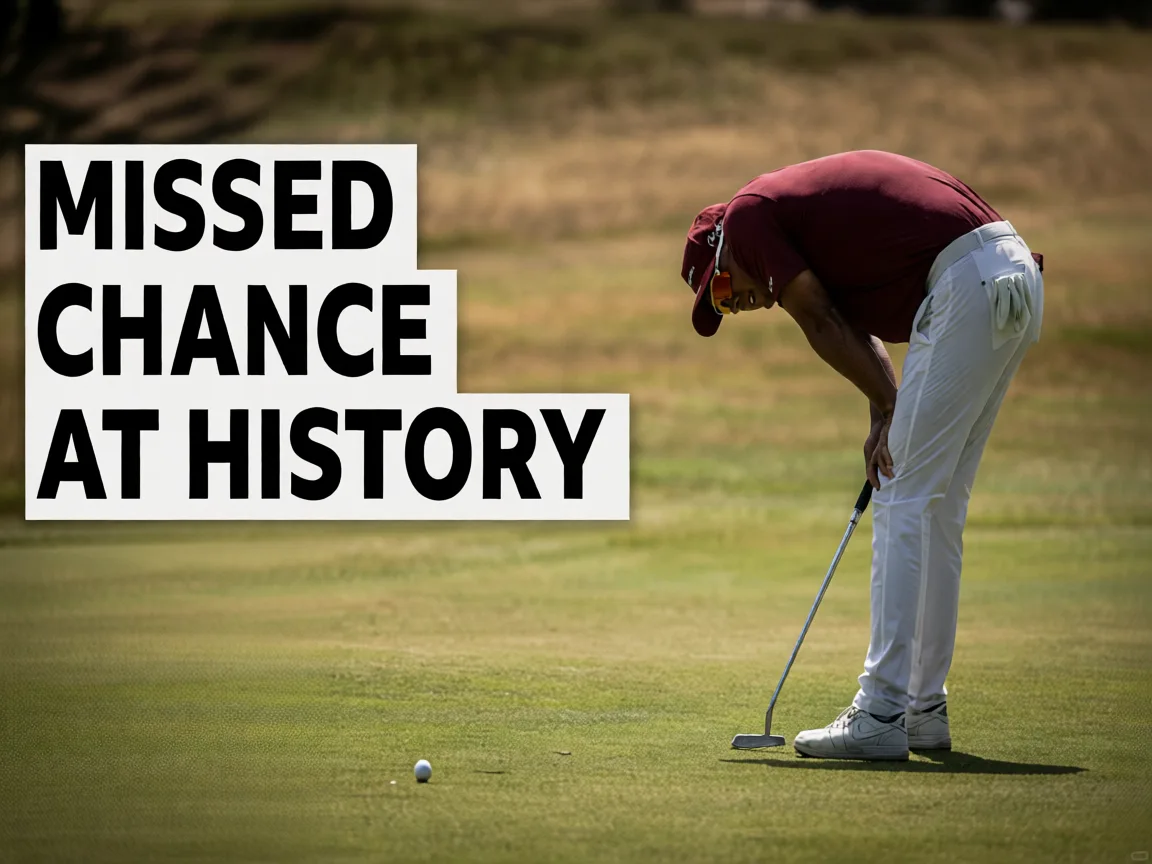
Herbert Bogeys 18th to Miss Record 61 at The Open
Lucas Herbert's five-foot putt on the 18th at Royal Birkdale slides wide, denying him a historic major record and leaving a bitter 62.
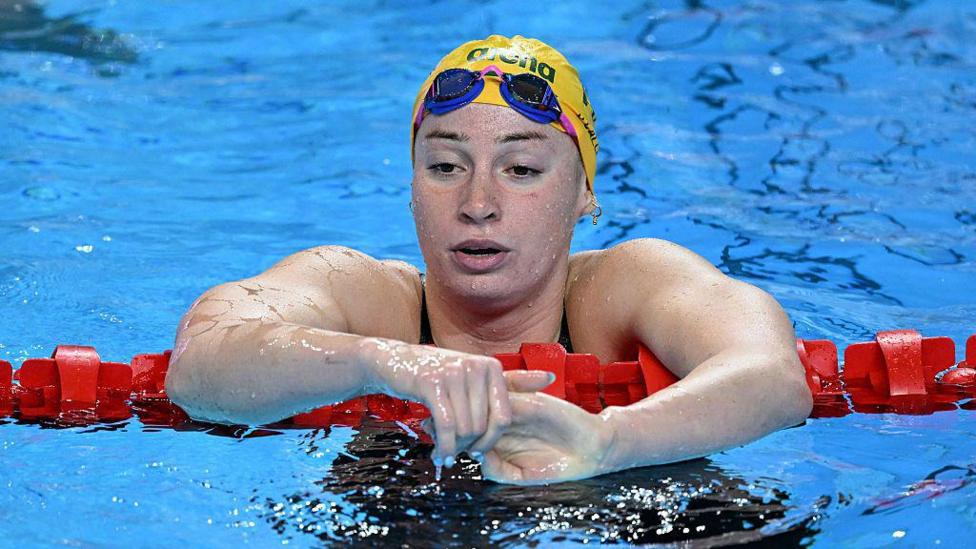
Mollie O'Callaghan Defies Doctor's Orders to Chase Glasgow Glory
Told to stop swimming immediately last month, the Olympic champion is betting everything on Glasgow.
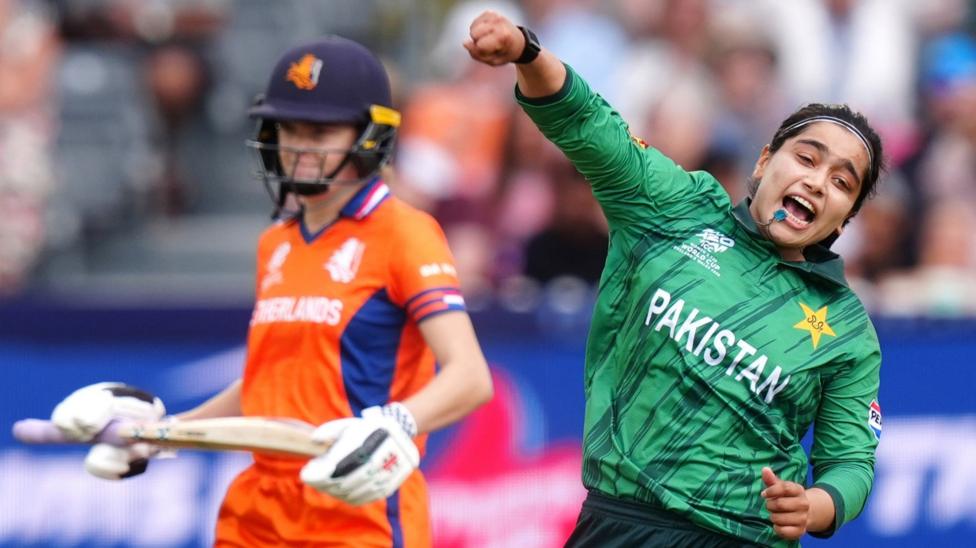
Pakistan Salvage Pride with Clinical Win Over Netherlands in T20 World Cup Finale
A 37-run victory offers Pakistan a silver lining in an otherwise underwhelming campaign.