Mancini Returns to Italy With an Apology and a Tactical Debt to Repay
Roberto Mancini's reappointment as Italy head coach brings contrition and a squad left tactically adrift by his departure.
Mancini's first words set the tone for a complicated homecoming
Roberto Mancini did not begin with a formation or a manifesto. He began with an apology. Reappointed as Italy's head coach three years after walking away from the same post to sign with Saudi Arabia, the 60-year-old opened his first public remarks with a direct, unqualified admission of fault.
"I'm very sorry. It was like losing the woman of your life. And it means you did something that shouldn't have been done. So I'm sorry, very sorry also for everything that happened over these last three years. I'm going to try to bring the national team back where it belongs."
The language was unusually raw for a coaching appointment. Mancini acknowledged the political reality of his return without pretence: some within the Italian football federation, and many among the public, will resist this. His framing was honest. Whether it is enough to rebuild trust depends on what happens on the pitch.
What Mancini left behind and what he inherits
Mancini's first Italy tenure produced the country's most significant modern achievement. The Euro 2020 triumph, built on a 34-match unbeaten run and a high-pressing 4-3-3 that squeezed the life out of opponents through coordinated midfield overloads, gave Italian football its identity back after the humiliation of failing to qualify for the 2018 World Cup. The system was defined by aggressive ball circulation through the half-spaces, inverted wingers cutting inside to create numerical superiority, and a compact defensive block that compressed space between the lines.
Then came the unraveling. Italy failed to qualify for the 2022 World Cup, losing to North Macedonia in the playoff. Mancini's relationship with the federation deteriorated. By August 2023, he was gone, accepting a contract with Saudi Arabia that the FIGC considered a betrayal of the post's prestige.
Luciano Spalletti inherited the mess and stabilised Italy's qualifying campaign for Euro 2024, but the tournament itself exposed structural problems. Italy's midfield pressing lacked the coordinated triggers that Mancini's system had once relied upon. The defensive transitions were sluggish. The squad's identity, so clearly defined under Mancini, had blurred.
Mancini now returns to a group that is neither his old team nor a blank canvas. The tactical foundation he built has eroded, and several of the players who executed his 4-3-3 at its peak have aged out of contention or lost form. The pressing intensity that defined Euro 2020 Italy requires athletic profiles the current pool may not possess in the same concentration.
The apology as political positioning
Mancini's contrition was not accidental. Italian football operates on patronage and personal relationships, and a manager who abandoned the post for Gulf money cannot simply return on tactical credentials alone. The apology was calibrated to address two audiences: the federation officials who needed a gesture of deference before rubber-stamping the appointment, and the supporters who will fill stadiums with scepticism.
"Some will be against me. Maybe people will forgive."
That second sentence carries real weight. Mancini knows his tactical reputation alone cannot override the political toxicity of the departure. He is asking for time and patience, which are not currencies Italy's football culture distributes generously.
Tactical questions ahead of the next competitive window
The immediate challenge is philosophical. Does Mancini attempt to reinstall the pressing system that peaked in 2021, or does he adapt to the current squad's profile? The midfield options have shifted. The wing positions require different profiles than those provided by the likes of Lorenzo Insigne and Federico Chiesa in their peak form.
Mancini's preferred 4-3-3 relied on a single pivot who could distribute under pressure while two advanced midfielders pressed high and arrived late in the box. Finding that pivot, and identifying wide forwards who can both press and create in the final third, will determine whether the tactical reboot succeeds or collapses into the same identity crisis that plagued the Spalletti era.
Defensive organisation is the other priority. Mancini's Italy conceded just four goals across Euro 2020 (in the source's context), with a back line that held a disciplined high line and swept counter-attacks through coordinated pressing traps. Replicating that structure requires centre-backs comfortable defending large spaces behind them, a profile that is not universally available in Serie A's current talent pool.
What Mancini must prove
The apology was necessary. It will not be sufficient. Italian supporters will judge this second tenure on two things: whether Mancini can restore the tactical coherence that made his first stint a success, and whether he stays long enough to see it through. He has already demonstrated, once, that he can build something worth defending. He has also demonstrated that he is willing to leave it behind.
The next competitive fixtures will reveal which version of Mancini has returned. If the pressing triggers are sharp, the midfield rotations fluid, and the defensive line coordinated, the forgiveness he asked for will follow. If the system looks stale or disconnected, the apology will read as the last genuine thing he said before the same cycle repeats.
Editorial Integrity
This is an original SportPulse article written by our editorial team. All content is independently researched, written, and reviewed by our writers and editors before publication. We do not publish copied, aggregated, or syndicated content.
SportPulse is committed to original sports journalism. Read our editorial policy or contact us with any questions.
More Like This
All football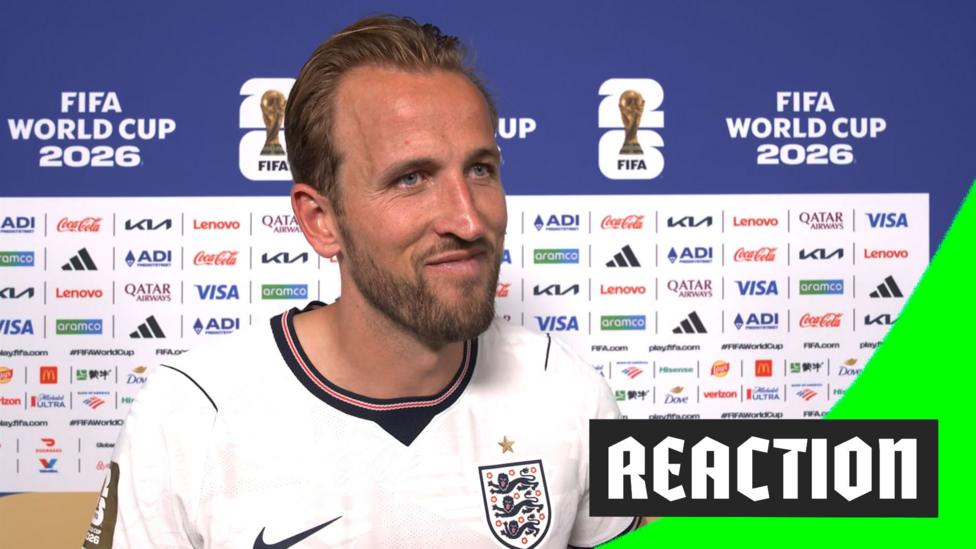
Kane: England Hit 'Best Level' After First-Half Chaos Against Croatia
Harry Kane hailed England's second-half dominance as their 'best level' after a wild 4-2 victory over Croatia.
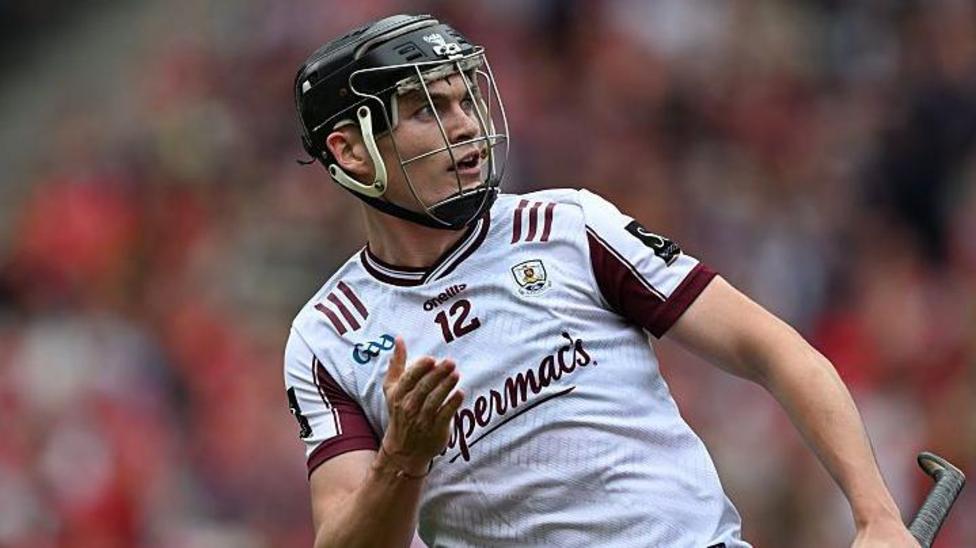
Galway Demolish Cork to Reach All-Ireland Hurling Final
Galway crushed Cork 2-26 to 1-18 at Croke Park, ending a six-year wait to return to the All-Ireland hurling final.
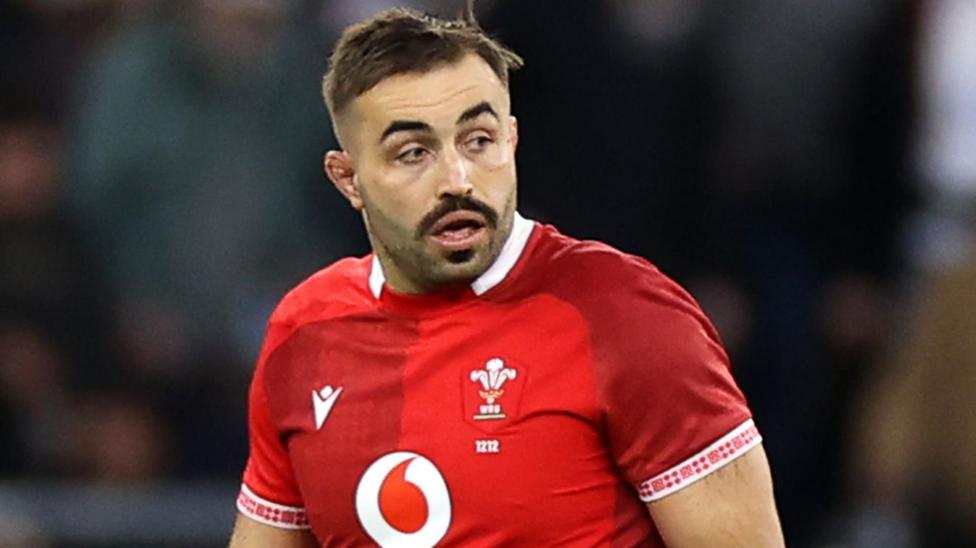
Belcher Neck Injury Deals Wales Massive Summer Blow
Cardiff and Wales captain Liam Belcher is ruled out of summer internationals with a neck injury, derailing the squad's rebuild.