Marsch's Defiant Delusion or Bold Truth After Canada's 3-0 Loss?
Jesse Marsch claims Canada controlled their 3-0 World Cup exit to Morocco, sparking a fierce debate over style versus substance.
Jesse Marsch stared down the gathered media with the unwavering conviction of a man who had just watched his team dismantle a top international heavyweight. The only problem was the 3-0 scoreline staring right back at him. Canada had just been eliminated from the World Cup Round of 16 by Morocco. Yet minutes after the final whistle, the American coach delivered a post-mortem that defied conventional footballing logic.
He did not point to tactical failings or unlucky bounces. He declared his side the undisputed better team on the pitch.
The immediate aftermath inside the stadium tunnel was jarringly quiet for a squad that had just made national history. Players slumped against concrete walls, jerseys pulled over their faces, the distant echoes of Moroccan celebration cutting through the silence. Coaching staff exchanged tight-lipped nods, processing a tournament ended and a harsh reality delivered.
Marsch stood in the center of this emotional wreckage and projected nothing but belief.
The Quote That Ignited the Football World
"We totally controlled the match. We were the ones more likely to win the game, but goals change games so they could sit back. But overall in the match we were better than them. Before we came here if you’d said we’d be last 16 we’d have been satisfied. And if you’d said we were going to play like that … you’d think we were going to win the match."
It takes some nerve to say you controlled a match you lost 3-0. Moroccan captain Achraf Ouahbi did not mince his words when confronted with the American coach's assessment. His retite was sharp, concise, and dripping with the hard truth of knockout tournament football.
"It takes some nerve to say when you lose 3-0."
Ouahbi's dismissal of Marsch's assessment highlights the eternal tactical tension in modern football. Style points versus cold, hard results. Canada undoubtedly had moments of aggressive pressing that suffocated Morocco's buildup play. They won possession in dangerous areas and played with a frantic physical intensity that kept the Atlas Lions uncomfortable for long stretches.
But possession and pressure are merely bullet points on a receipt. Goals are the currency that buys advancement.
Deconstructing the Delusion
Marsch is not entirely wrong about the flow of the game. Canada committed bodies forward with a relentless man-marking scheme. They forced turnovers high up the pitch. They rendered stretches of the match a territorial affair. But calling it total control ignores the catastrophic defensive breakdowns that led to three goals.
Control implies dominance over both penalty boxes. Morocco might have ceded the midfield battle in phases, but they were clinical, ruthless, and defensively imperious when the game hung in the balance.
Marsch's willingness to look past a 3-0 defeat is a masterclass in psychological management. A coach who tears into his players after a historic Round of 16 run risks destroying the fragile confidence he spent months building. By praising their control, he reframes a heavy loss as a moral victory.
He is daring his players to believe they belong on this stage.
This playbook mirrors his time at RB Leipzig and Leeds United. Marsch sells a narrative of high-energy, front-foot football where effort and intent are prized above all else. A coach must sometimes become the chief propagandist for his own system.
When the fan base and media question your legitimacy, the only internal defense is unyielding belief in the philosophy.
The Historical Context of a Historic Run
Canada arrived at this tournament with modest external expectations. Reaching the last sixteen was a tangible milestone for a program still finding its feet on the global stage. Their group stage performances showcased a fearless identity, pressing elite opponents and refusing to sit deep.
The Morocco defeat marks a brutal but necessary graduation.
Going toe-to-toe with a semifinalist from the previous tournament and forcing them into a reactive shell is a notable footnote in Canadian soccer history. It proves Marsch's system can travel and compete. It proves the talent pool in North America is ready to fight above its weight class.
But crashing out to a 3-0 margin also exposes the glaring gap between dynamic middles and clinical finishes.
Marsch challenged his players to keep producing these levels. The real test of his tenure comes in the months after this World Cup. Maintaining this intensity requires a massive evolution from players accustomed to a different competitive rhythm.
The Canadian program cannot afford to treat this tournament as a ceiling. It must become a springboard.
The specter of the 2026 home World Cup looms large over every decision Marsch makes now. Co-hosting the tournament places an enormous burden on expectations. Canada will face heightened scrutiny on home soil. The Moroccan drubbing reinforced a fundamental truth.
What It Means
Marsch's comments will draw eye rolls from traditionalists. But his brash defiance serves a critical long-term purpose. He is telling Canadian soccer that competing with, and beating, elite nations is not a fantasy.
The program has definitively arrived on the global stage. Now they must find the ruthless efficiency required to actually win when it matters. Moral victories are no longer enough.
Editorial Integrity
This is an original SportPulse article written by our editorial team. All content is independently researched, written, and reviewed by our writers and editors before publication. We do not publish copied, aggregated, or syndicated content.
SportPulse is committed to original sports journalism. Read our editorial policy or contact us with any questions.
More Like This
All football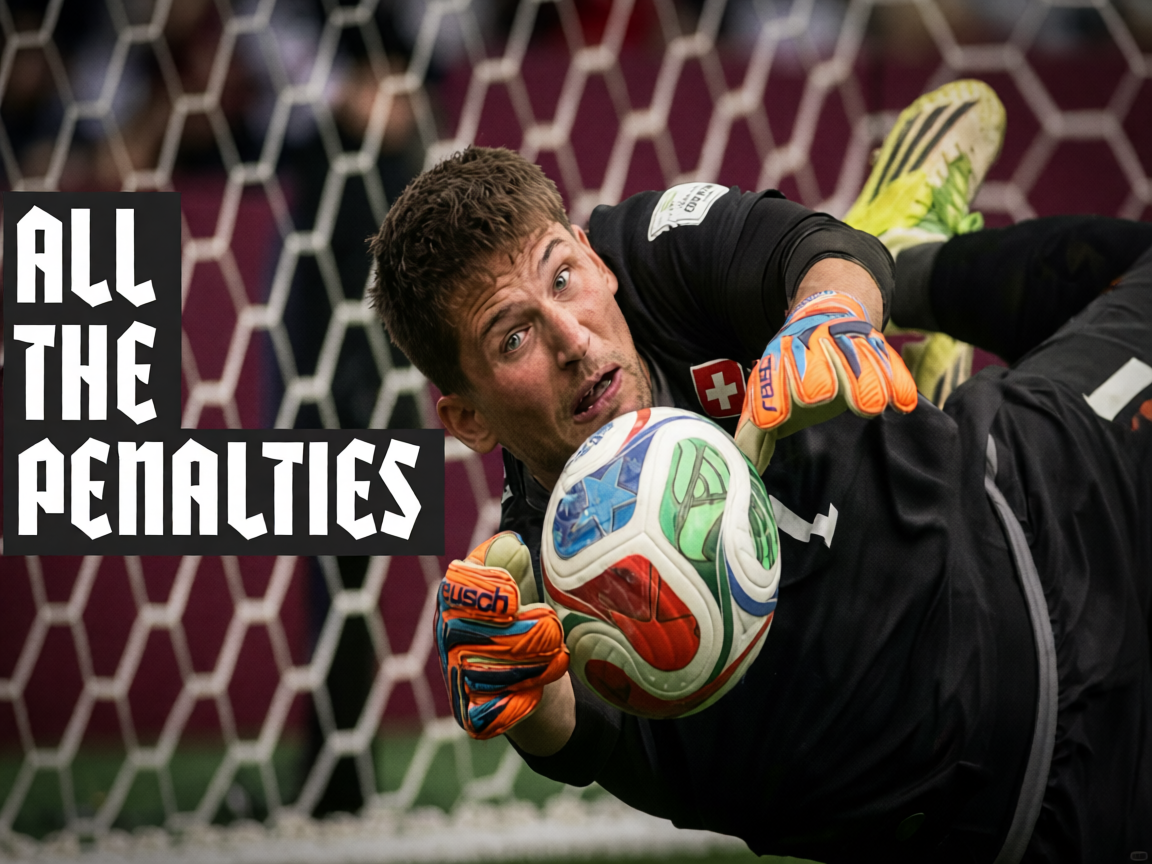
Switzerland's Shootout Composure Exposes Colombia's Mental Frailty
Switzerland advanced past Colombia 4-3 on penalties, exposing a brittle psychological edge in a tournament-defining shootout.

Wenger Exposes America's Pay-to-Play Problem
Fifa's Arsene Wenger says the US pay-to-play model must die for American soccer to truly compete on the world stage.

Messi and Yamal: A Miracle of Destiny Binding Football's Generations
A bath tub photo from 2007 kicks off destiny's most audacious play linking Lionel Messi and Lamine Yamal.