Wenger Exposes America's Pay-to-Play Problem
Fifa's Arsene Wenger says the US pay-to-play model must die for American soccer to truly compete on the world stage.
The Blueprint for American Greatness Arsene Wenger has never been one to mince words, and his latest assessment of United States soccer lands like a tactical sledgehammer. The former Arsenal boss, now serving as Fifa's head of global football development, recently sat down with US Soccer chief executive JT Batson and chief operating officer Dan Helfrich for a roundtable discussion that pulled zero punches. Wenger identified the notorious pay-to-play model as the root structural obstacle preventing the US from transforming its vast athletic potential into genuine world-class talent. The Frenchman emphasized that while the barriers are steep, the current leadership at both the US Soccer Federation and Major League Soccer is actively dismantling them. ## The $250 Million Statement The visual centerpiece of this new era is US Soccer's sprawling new $250 million headquarters in Fayetteville, Georgia. Wenger toured the facility and made it clear that this level of investment is not just about optics, but about building a foundational home for the sport. He noted that having a centralized hub gives players and staff a tangible sense of belonging and purpose. For a federation that has historically felt decentralized, this facility represents a concrete signal of intent. Wenger understands that infrastructure breeds consistency, and consistency breeds success. ## Tearing Down the Tollbooth The pay-to-play model has long been the third rail of American youth soccer criticism. It functions as an economic filter, systematically shutting out inner-city talent and late bloomers who cannot afford the escalating club fees, travel costs, and tournament expenses. Wenger targeted this system directly, arguing that it artificially limits the talent pool and prevents the sport from becoming a true reflection of the American population. Compare this to the European model, where professional academies absorb costs and actively scout marginalized communities. ## Academy Over Athletics Wenger also made the critical distinction between building elite athletes and developing elite footballers. American youth systems have historically excelled at producing physically dominant specimens who are technically deficient. True development, Wenger stressed, comes from putting players in high-level competitive environments at a young age. He advocated for MLS academies to take on an even larger role in shaping the next generation. ## What It Means The implication of Wenger's diagnosis is profound. If US Soccer genuinely commits to eliminating financial barriers to entry and relies on meritocratic scouting, the ceiling for the men's national team rises dramatically. The federation's massive new headquarters serves as the physical hub for this transformation. The timeline is long, but the architectural shift in philosophy is finally underway. Real global contention in the sport requires ruthless investment in education and access, not just marketing and athleticism.
Editorial Integrity
This is an original SportPulse article written by our editorial team. All content is independently researched, written, and reviewed by our writers and editors before publication. We do not publish copied, aggregated, or syndicated content.
SportPulse is committed to original sports journalism. Read our editorial policy or contact us with any questions.
More Like This
All football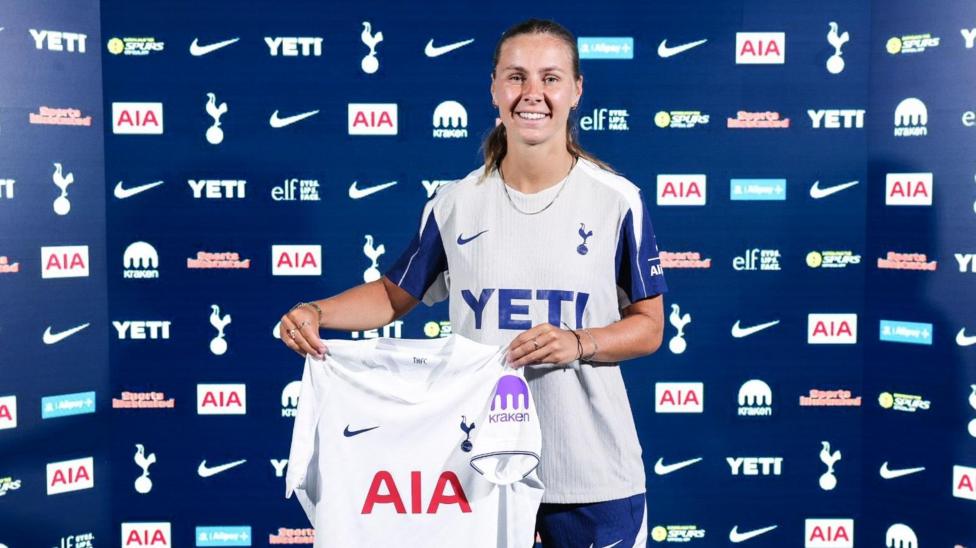
Pelova Across North London: Tottenham's Arsenal Coup
Tottenham secure Victoria Pelova on a free transfer from Arsenal, adding a pressing orchestrator to reshape their midfield dynamic.

Kevin Keegan Dies at 75, Leaving Football Bereft of a True Original
A fearless icon lost too soon, a life defined by brilliance that reshaped English football culture.

England's Noisy Arrival: Tactical Discipline Amidst Hostile Heat
Hostile chants in Mexico City mask England's urgent need for tactical precision against a spirited Mexican side.