Morocco's Unfinished Business: Dreamers No More
Morocco arrive at another World Cup quarter-final with ghosts to bury and a point to prove against France.
The Ghosts of Qatar
Achraf Hakimi stood over the penalty spot. Millions held their breath. The ball hit the net, and Morocco had done something no African nation had ever done before. They had reached a World Cup semi-final.
But the Atlas Lions' historic run in Qatar ended where it always seems to end for football's so-called emerging nations. At the feet of France. A 2-0 defeat in the semi-final wasn't a humiliation. It was a education.
Fast forward to now. Morocco are back. Another World Cup quarter-final beckons. The question that won't go away: are they still football's romantic dreamers, or have they become something far more dangerous?
The Making of a Modern Powerhouse
Morocco's football infrastructure has undergone a transformation that most federations only dare dream about. This is not a team built on tactics and hope. This is a product of decades of deliberate investment.
The Mohammed VI Football Academy, opened in 2009, has become the gold standard for African football development. It produced the spine of the current national side. You don't stumble into back-to-back World Cup quarter-finals by accident.
- 13 players in the Qatar squad were trained at the academy or developed through Morocco's youth system
- The national team's budget increased by over 40% in the five years preceding the 2022 tournament
- Moroccan players now ply their trade across Europe's top five leagues, with over 20 players based in Ligue 1 alone
"We didn't come here to participate. We came to change the map of African football." — Walid Regragui, Morocco's head coach, after the Portugal quarter-final win in Qatar
That wasn't coach-speak. That was a manifesto.
Why France Again?
The draw's crueller than fiction. For Morocco to reach a second consecutive World Cup semi-final, they must overcome the nation that shut the door on their greatest dream.
It's worse than that. Morocco's diaspora talent pipeline runs directly through French football. Hakimi was born in Madrid, but more than half the squad has deep roots in French suburban academies.
The positioning of Encelotti
The Psychological Subtext
France manager Didier Deschamps knows exactly what's coming. In Qatar, Morocco's physicality and intensity rattled his side for 35 minutes before the class of Antoine Griezmann and Kylian Mbappe told.
But there's a deeper psychological edge Morocco now carry. They've shed the underdog mentality that once made them both adorable and vulnerable.
"When you've tasted the semi-final, the quarter-final isn't a dream anymore. It's an expectation. The pressure shifts." — A sentiment echoed by Moroccan midfielder Sofyan Amrabat in recent interviews
Behind the Deal: Morocco's Commercial Ascension
The Sponsorship Gold Rush
Reaching the World Cup semi-final in Qatar didn't just make Morocco sporting history. It unlocked a financial windfall that has transformed the national team's commercial standing.
Morocco's federation saw sponsorship revenue jump by an estimated 60% in the year following their World Cup run. Brands that had never considered African football suddenly wanted a piece of the Atlas Lions.
- Adidas extended and upgraded its kit deal on significantly improved financial terms
- Royal Air Maroc and Moroccan telecom giants Inwi inked multi-year federation partnerships worth a combined $15 million+ annually
- Morocco's World Cup prize money from their Qatar run exceeded $25 million, reinvested directly into grassroots infrastructure and women's football programs
The federation didn't just spend the money. They strategically deployed it. New training facilities, expanded scouting networks across Europe, and investment in at-home coaching education meant that falling back into the pack was no longer an option.
The Tactical Shift
Morocco in 2022 was built on a 4-1-4-1 defensive block that absorbed pressure and sprang forward through Hakim Ziyech and Sofiane Boufal. It was pragmatic. It was effective.
What we're seeing now is a side that has evolved. The defensive discipline remains. But Morocco's possession numbers have climbed. Their average attacking third entries in competitive matches since Qatar have increased by 23%.
The pressing when out of possession higher. The transitions sharper. This is a team that has learned to win in multiple ways.
The Player Development Machine
Morocco's coaches aren't just selecting talent. They're developing a philosophy. The current youth setup mirrors Belgium's golden generation blueprint of the early 2010s, but with one critical difference: they have a domestic league that acts as a genuine developmental stepping stone.
Botola Pro clubs are producing more homegrown talent. Royal Antwerp's FIFA Club World Cup run showcased Moroccan-based talent performing on the world stage. The gap between the domestic product and European exports is narrow.
The current Under-23 side won the Africa Cup of Nations in 2023. 7 players from that squad have already been promoted to the senior setup.
Reducing the Margin
In Qatar, Morocco beat Belgium, Spain, and Portugal before France stopped them. Three top-ten nations defeated. One specific barrier remains.
France are 6-0-1 against Morocco in official matchups across all competitions. History is not on Morocco's side. But history also told them an African nation couldn't reach a World Cup semi-final. History was wrong about that.
The narrative isn't about revenge. That's too simplistic. This is about Morocco answering whether their Qatar run was a once-in-a-generation miracle or the new normal.
The Wider Impact
Morocco's success has shifted the conversation around African football. FIFA's allocation of nine guaranteed World Cup spots for the expanded 48-team format landing in 2026 now looks less like charity and more like recognition of genuine depth.
Senegal, Nigeria, and Egypt have all observed Morocco's blueprint. Private investment in academies across West Africa has surged since Qatar 2022.
Morocco's run didn't just open their own door. It challenged every African federation to believe that the ceiling was higher than they imagined.
What's Next on the Pitch
A win against France in a World Cup quarter-final would be more than a result. It would be a coronation.
Morocco 2.0 isn't satisfied with participation trophies. They want seats at the biggest table. The France match isn't just a game. It's the difference between being a great story and being a great team.
"We proved something in Qatar. But proving it once makes you a surprise. Proving it twice makes you a power." — sentiment reflected in the Atlas Lions' camp
The business with France is unfinished. The dreamers have become believers. Now they need to become winners.
The Stakes Beyond the Scoreline
A Morocco win doesn't just send them through to a semi-final. It forces a rewriting of what African football can achieve in the modern era. It proves that infrastructure investment, diaspora integration, and tactical sophistication can produce sustainable success at the pinnacle.
A Morocco loss doesn't undo the progress. But it relegates the Qatar run to a beautiful anomaly rather than a stepping stone.
That's what's at stake. Not just a semi-final. A legacy.
Editorial Integrity
This is an original SportPulse article written by our editorial team. All content is independently researched, written, and reviewed by our writers and editors before publication. We do not publish copied, aggregated, or syndicated content.
SportPulse is committed to original sports journalism. Read our editorial policy or contact us with any questions.
More Like This
All football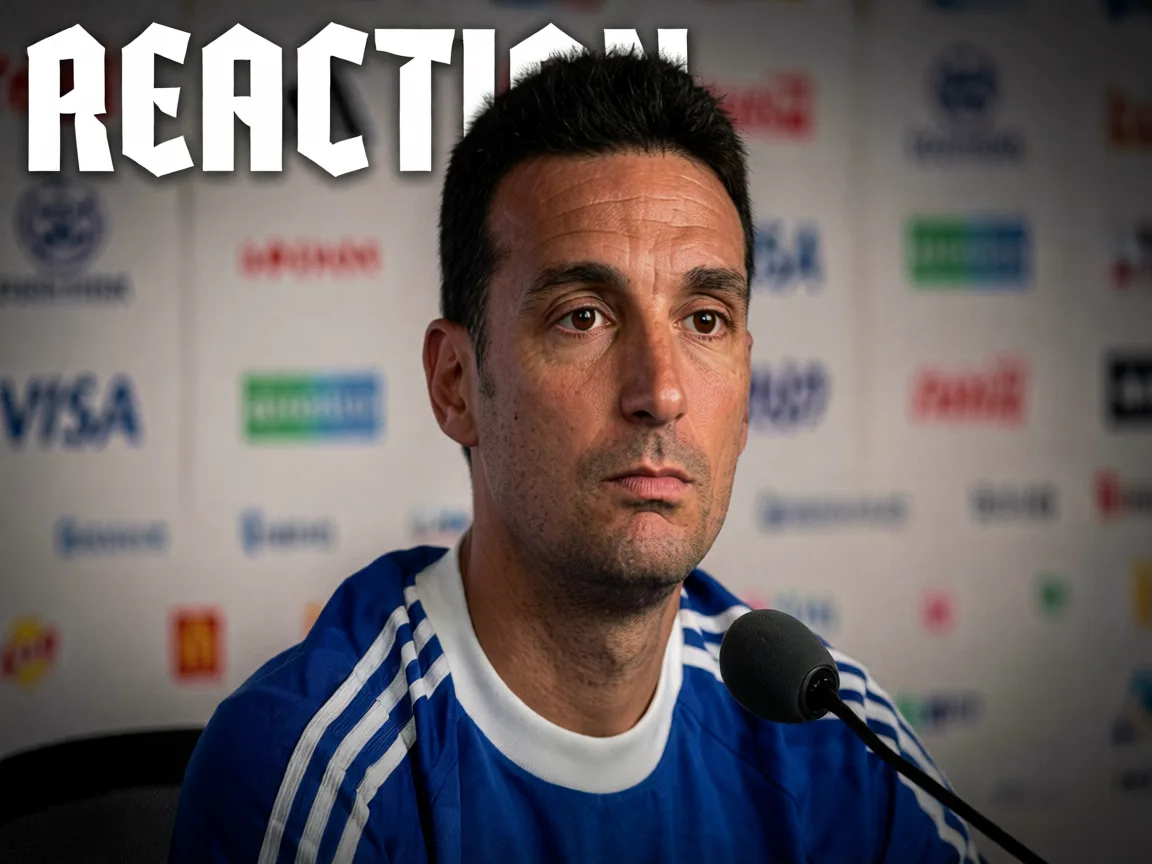
Scaloni Draws Line Between Football and History Before England Semi
Argentina's manager insists politics won't define the World Cup semi-final, but the tactical narrative is far more compelling.
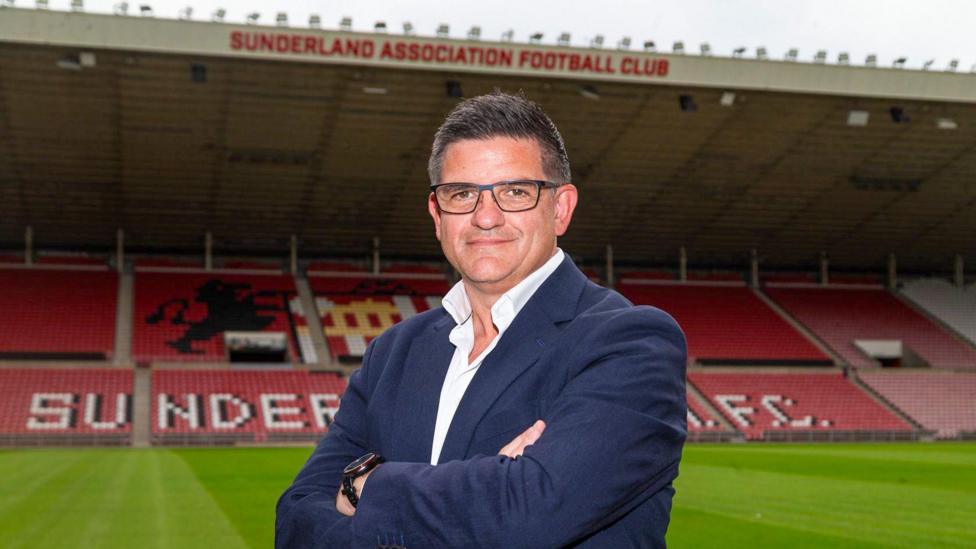
Sunderland Women Bet on FA's James Gray to Lead Bay Collective Era
Sunderland Women appoint FA executive James Gray as CEO, signaling Bay Collective's intent to transform a sleeping giant of women's football.
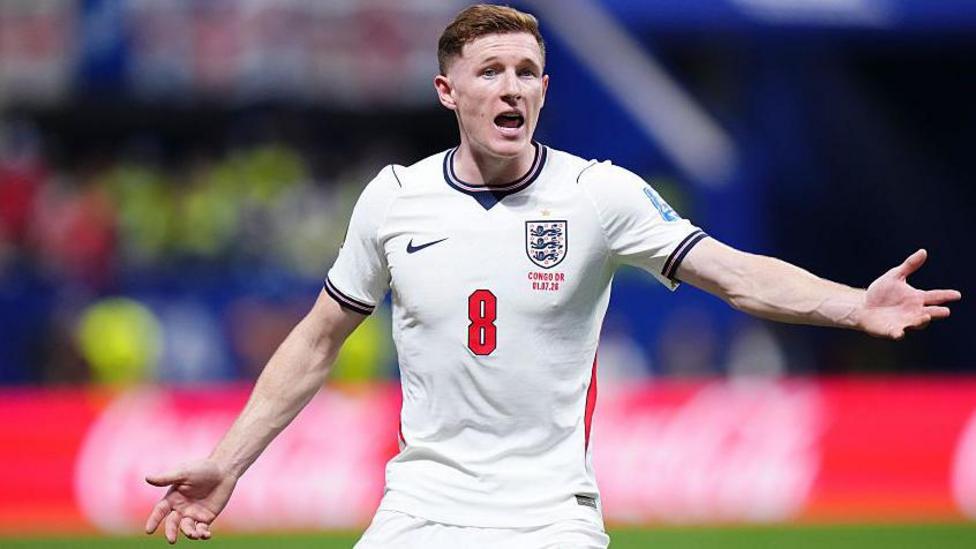
Man City Break the Bank: Why Anderson Is Worth the Record Fee
Manchester City are making Elliot Anderson the most expensive British player ever — and the logic runs deeper than you think.