Murdy Tempted Back: Coaching Draper and the Shadow of a Serena Return
Andy Murray opens up on coaching Jack Draper, the void of retirement, and whether a Serena-style comeback could ever tempt him back on court.
The82-minute mark of a humid afternoon in Paris. The ball toss rises, catched awkwardly in the gusting wind, and the serve leaks wide. From the player's box, a familiar figure shifts forward in his seat, left hand gripping the armrest, right hand instinctively tracing the phantom arc of a backhand slice. Andy Murray is no longer the man on court. He is the man watching, teetering on the agonizing precipice between observer and participant.
British tennis' most relentless warrior was always going to find the silence of retirement deafening. In a revealing new discussion, the former world No. 1 has laid bare the psychological tug-of-war that has followed his departure from professional tennis. The central theme is the void. The relentless, unforgiving emptiness that replaces the structured adrenaline of match days. It is a void he is now attempting to fill by stepping into the coaching arena with Britain's rising star, Jack Draper.
The Temptation of the Player's Box
Coaching was never an inevitability for Murray. Throughout his playing days, he often dismissed the idea, citing the suffocating travel schedule and the emotional drain of investing in another player's failures. Yet the transition from hitting the ball to watching it being hit has proven far more complex than simply walking away.
The partnership with Draper makes intuitive sense. Draper, a left-hander with a thunderous serve and a bruising forehand, possesses the raw materials to crack the top 10. Murray, a master of tactical nuance, court geometry, and defensive scrambling, sees a canvas ready for refinement. The temptation to return to the sport was not born from a desire to stand on the baseline again, but from an inability to extinguish the competitive inferno that defined his career.
"You miss the winning. You miss the buzz of the stadium, the walk onto the court. But you don't miss the physical pain, the grind of the gyms at 7 AM when your hip is screaming. Filling that void is the hardest part."
For Draper, the alliance offers an invaluable shortcut to tactical maturity. The young Briton has struggled at times to navigate the chess match of five-set tennis, often defaulting to sheer power when patterns break down. Murray's presence introduces a cerebral layer. It is the injection of a champion's pragmatism into a contender's explosive potential.
The Serena Specter: Could Murray Return?
Whenever a legendary champion retires, the specter of a comeback loiters in the background. Murray was directly asked about the possibility of emulating Serena Williams, who famously made a high-profile return to the tour after giving birth, chasing a record-equalling 24th Grand Slam singles title. The comparison, while inevitable, is fundamentally flawed.
Williams' return was fueled by an untouched physical reserve, even in her late thirties, and a burning, singular historical objective. Murray's physical reality is starkly different. A metal hip and a surgically repaired body that withstood 871 career matches leave little room for a romantic encore on the baseline. The Challenger in Murray's mind is fierce, but the chassis can no longer execute the commands.
"I watch matches and think, I could hit that ball cleaner. I could construct that point better. But then I remember the physical reality. Serena had a different physical narrative. My body told me it was over, and I have to listen to it."
The competitive drive, however, does not simply evaporate. It metastasizes. It seeks new outlets. This is the crux of Murray's current existence. The temptation to return is not a genuine consideration for a full-time playing comeback. Rather, it is a daily negotiation to redirect that fierce ambition into productive channels. Coaching Draper is the most prominent of those channels.
Navigating the Coach-Player Dynamic
Transitioning from peer to mentor is fraught with psychological peril. Murray and Draper shared a locker room. They trained together. They struck balls in the same LTA pathways. The power dynamic inevitably shifts when one man holds the tactical clipboard.
- Respect vs. Authority: Murray's achievements command instant respect, but his famously exacting standards could create friction if communication is not calibrated carefully.
- Tactical Overhaul: Expect Murray to emphasize court positioning and point construction over sheer aggression, forcing Draper to win ugly when the bombs aren't landing.
- Emotional Management: Draper's tendency to spiral emotionally during matches is a known weakness. Murray, who famously raged against his own limitations, must now channel that intensity constructively from the stands.
The Void and the Future
The most poignant element of Murray's confession is the sheer honesty about the emptiness of retirement. For two decades, his life was dictated by tournament draws, practice blocks, and recovery protocols. Every meal, every sleep cycle, every moment was subordinate to the pursuit of match victories. When that structure collapses, the resulting vacuum threatens to consume identity itself.
Murray's EVP role in the athletics program and his coaching trial with Draper are mechanisms to manage that fall. They keep him tethered to the sport that gave him purpose, without requiring the physical self-immolation that his playing days demanded.
Looking ahead, the ATP Tour's landscape is subtly shifting. Novak Djokovic remains, a solitary titan, but the era of the Big Four is definitively closed. Murray's shadow over British tennis remains enormous. Draper, along with players like Emma Raducanu and Katie Boulter, carries the burden of the nation's expectations. Having Murray in the corner, deciphering the geometry of crucial break points, accelerates that generational transfer.
Whether Murray will ever truly conquer the void is doubtful. The simple answer is that great champions do not conquer it. They merely learn to live alongside it, feeding it scraps of competition from the sidelines. The coaching box offers proximity to the fire without demanding he step back into the flames. Do not expect a Serena-style comeback. Do expect Murray to haunt the corridors of the sport, reshaping its future, one tactical intervention at a time.
Editorial Integrity
This is an original SportPulse article written by our editorial team. All content is independently researched, written, and reviewed by our writers and editors before publication. We do not publish copied, aggregated, or syndicated content.
SportPulse is committed to original sports journalism. Read our editorial policy or contact us with any questions.
More Like This
All tennis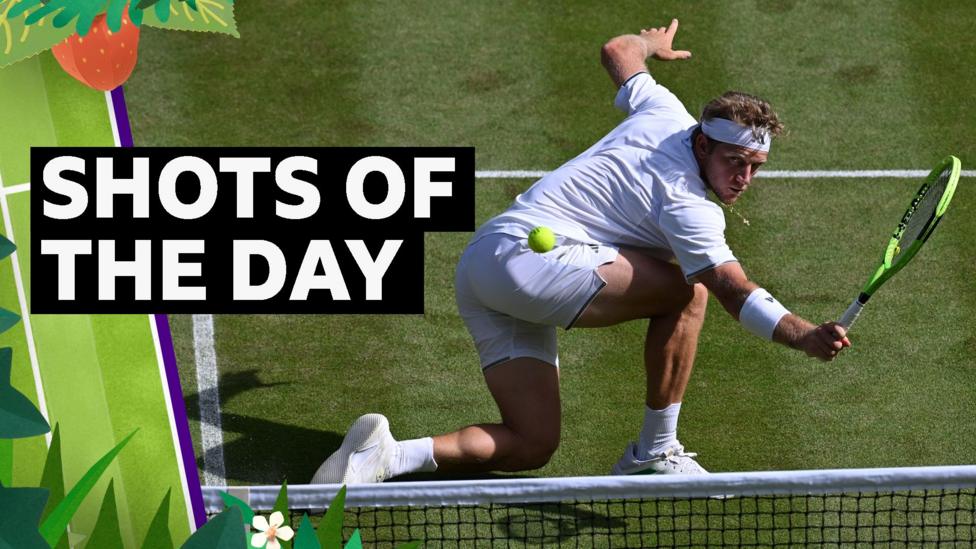
Wimbledon Day Seven: The Tactical Nuance Behind Simply Brilliant Shot-Making
Day seven at Wimbledon showcased how modern grass-court tennis blends raw power with chess-like positional intelligence.

Wimbledon's Most Terrifying Shot: The Overhead Smash
The overhead smash looks simple but terrifies tennis elites, exposing even Novak Djokovic's legendary complete game on grass.
Wimbledon's 20% Raise Cannot Buy Player Silence
A twenty percent prize money increase fails to halt an expanding player protest at Wimbledon, exposing deep structural fractures in tennis economics.