When Indie Meets the Beautiful Game: Football's Cultural Crossroads
Belle and Sebastian on Off the Ball reveals how football media is evolving beyond pure analysis into something richer.
The Most Refreshing Booking in Football Media
There is a particular kind of genius in a football show that brands itself as "the most petty and ill-informed football show on radio." It is disarming. It invites you in not with authority, but with self-awareness. And when Off the Ball, one of the most enduring fixtures in Irish sports radio, booked Belle and Sebastian as guests, they doubled down on exactly the kind of programming that makes football culture richer, stranger, and far more human than a tactical chalkboard ever could on its own.
The Scottish indie pop collective, fronted by Stuart Murdoch and beloved for albums like If You're Feeling Sinister and The Boy with the Arab Strap, are not your typical football pundits. They will not break down a 4-2-3-1 press or analyze expected goals. And that is precisely the point. Their appearance on the show is a reminder that football's gravitational pull extends far beyond the pitch and into the wider cultural bloodstream.
Off the Ball's Place in the Ecosystem
For those unfamiliar, Off the Ball has been a cornerstone of Irish sports broadcasting for years, operating on Newstalk and carving out a reputation as a show that refuses to be boring. Its format blends serious sports analysis with irreverent tangents, listener-driven segments, and a willingness to let conversations breathe into unexpected territory. The self-deprecating tagline is not a confession of incompetence. It is a mission statement: this show will not take itself so seriously that it forgets to be entertaining.
This approach matters more than casual observers might think. Football media, at its best, serves as a bridge between the sport and the communities that orbit it. When a show books guests from outside the football bubble, it signals that the game is not hermetically sealed. It is part of a broader conversation about identity, belonging, and culture. Off the Ball has understood this instinctively, and their booking of Belle and Sebastian is a textbook example.
The Football-Music Axis
The connection between football and indie music is not new, but it is worth revisiting because it reveals something fundamental about both. In the United Kingdom and Ireland, the overlap between football fandom and guitar music has been a defining cultural feature for decades. From Oasis and their unapologetic Manchester City allegiance to Alex Turner of Arctic Monkeys growing up in Sheffield and living the Wednesday-United divide, the sport has always been embedded in the indie scene's DNA.
Stuart Murdoch himself has spoken about his relationship with football over the years. The band's name, borrowed from a French children's book, carries no inherent football connection, but the worlds collide constantly. Belle and Sebastian's audience skews toward exactly the demographic that fills terraces and pubs across Britain and Ireland: people who care deeply about aesthetics, community, and the narratives that bind them. Football and indie music are, at their core, both stories about collective experience.
Why This Matters Beyond the Anecdote
One might dismiss a radio booking as trivial. It is not. Football media is undergoing a genuine identity crisis across Europe. Traditional match analysis programs face competition from podcasts, YouTube channels, TikTok tacticians, and Twitter threads that can dissect a pressing trigger in 280 characters or a 60-second clip. The shows that survive and thrive will be the ones that offer something algorithms cannot replicate: personality, unpredictability, and genuine human connection.
Off the Ball has always leaned into this. By bringing on guests who have nothing to do with football's professional machinery, they create moments that listeners remember not because of a stat line, but because of the texture of the conversation. Did Murdoch talk about his football allegiances? Did the band share their favorite matchday rituals? Did the conversation veer into how songwriting and tactical thinking share a common grammar of pattern and improvisation? Without the full transcript, one can only speculate, but the booking alone tells us the conversation was worth having.
The Tactical Lesson Hidden in the Format
There is, ironically, a tactical metaphor buried in all of this. The best football teams in history have understood that rigid systems fail without creative players given license to roam. Pep Guardiola builds structures, but within them, players like Bernardo Silva and Kevin De Bruyne are empowered to improvise. Carlo Ancelotti famously adapts his system to the players available rather than forcing them into a preconceived mold. The best football shows operate on the same principle: build a strong format, then let the unexpected happen.
When Off the Ball breaks from pure sports analysis to feature artists, musicians, or cultural figures, they are not abandoning their mission. They are executing it. Football is not played in a vacuum, and it should not be discussed in one either.
The Broader Trend in European Football Media
Across the continent, football media is diversifying. In Germany, podcasts like Rasenfunk blend Bundesliga analysis with cultural commentary. In Spain, shows increasingly feature guests from outside football to discuss the sport's social dimensions. Italian football media has long understood the inseparability of calcio from national identity, politics, and art. The English-language market, particularly in the UK and Ireland, is catching up to this more holistic approach.
Off the Ball's self-described "petty and ill-informed" positioning is, paradoxically, a sign of sophistication. It acknowledges that no single show can be everything to everyone, and it prioritizes authenticity over false authority. In a media landscape saturated with hot takes and manufactured outrage, this kind of honest programming feels almost radical.
"The most petty and ill-informed football show on radio" — Off the Ball's tagline is not a weakness. It is the most honest mission statement in football media.
What Comes Next
The real question is whether other football shows will follow this model. The temptation in sports media is always to chase the same guests, the same angles, and the same formats. A former manager doing a podcast. A retired striker offering opinions on the current squad. A data analyst breaking down xG charts. All of this has value, but it has become predictable.
Off the Ball reminds us that football's cultural richness demands a wider lens. The sport is a conversation starter, not a conversation endpoint. When Belle and Sebastian sit behind a microphone and talk football, they bring perspectives that no coaching badge or scouting report can provide: the emotional resonance of the game, the way it soundtracks our lives, the way it connects strangers in shared moments of joy and despair.
For football media to remain vital, it must keep doing what Off the Ball does so well: stay curious, stay unpredictable, and never forget that the game belongs to everyone who loves it, not just those who study it. The next time someone dismisses a football show for booking an indie band instead of a tactical analyst, remember that the most interesting formations in football have always had room for a free role.
Editorial Integrity
This is an original SportPulse article written by our editorial team. All content is independently researched, written, and reviewed by our writers and editors before publication. We do not publish copied, aggregated, or syndicated content.
SportPulse is committed to original sports journalism. Read our editorial policy or contact us with any questions.
More Like This
All football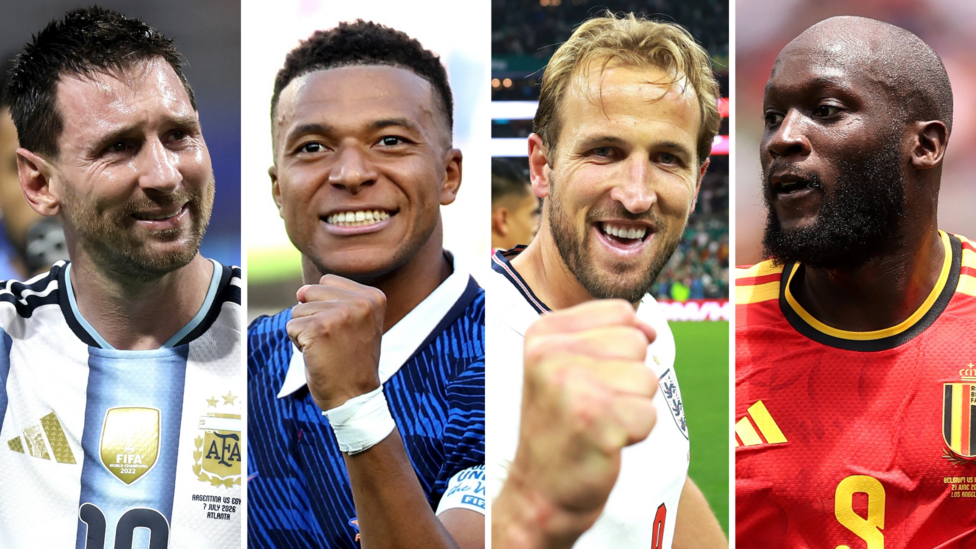
Striker Duels and Qatar Revenge: Quarter-Final Fire Awaits
Four World Cup quarter-finals promise striker duels, tactical warfare, and redemption arcs forged in the heat of Qatar.
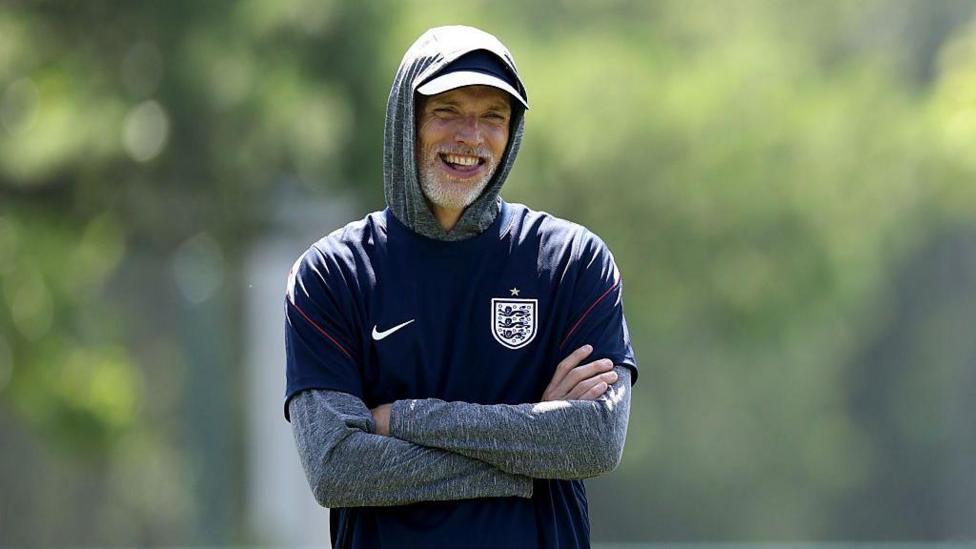
Tuchel Inherits Southgate's Penalty DNA — And England's Shootout Psyche
Tuchel's commitment to Southgate's penalty blueprint reveals how modern international coaching treats shootouts as a science.
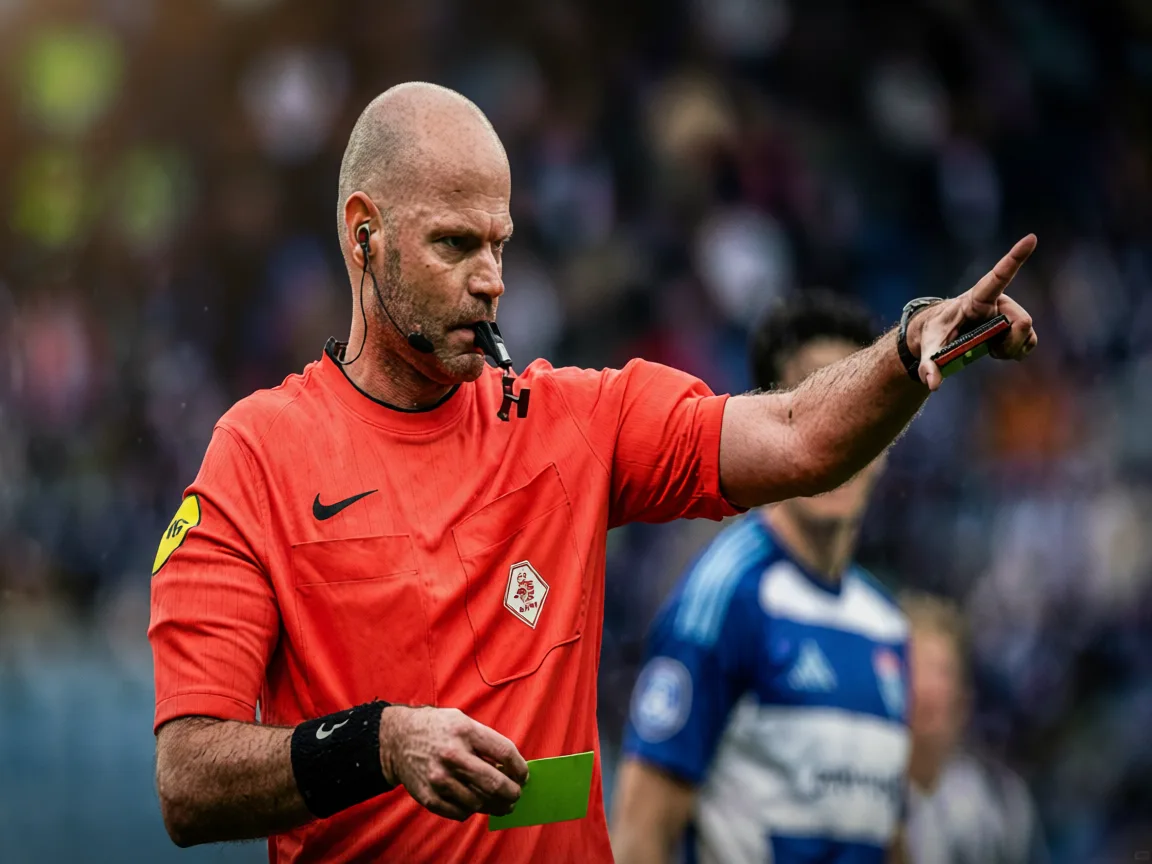
A Referee's Death and the System That Failed Him
Dutch referee Rob Dieperink died at 38, weeks after a World Cup withdrawal shrouded in unanswered questions about football's duty of care.