From Selling His Kit to World Cup Hero: Orlando Gill's Impossible Rise
Orlando Gill went from football obscurity and selling his own kit to survive to becoming Paraguay's World Cup hero in 18 months.
The locker room smelled of champagne and shattered expectations. Orlando Gill stood in the center of it, a Paraguay flag draped over his shoulders, the stitches of his international kit pressed against his chest.
Just 18 months earlier, that same chest heaved with a different kind of weight. Not the adrenaline of a World Cup hero, but the suffocating pressure of a father who could not provide.
He had sold that kit. The very uniform of his profession, auctioned off in a desperate bid to keep his family afloat after the premature birth of his son.
Now, the world wants to wear his name on their backs.
The Darkest Hour
Professional football sells a lie. The glossy broadcasts and lavish contracts of the elite mask a brutal reality: for every millionaire superstar, thousands of players scratch out a living in the shadows. Orlando Gill was one of the invisible.
He was adrift in football obscurity, trapped in the precarious lower tiers where wages arrive late, if they arrive at all. Then came the news that simultaneously shattered and rebuilt his world. His son was born prematurely.
"When your child is fighting for their first breath, you don't think about your career. You think about how to pay for the incubator. You think about keeping the lights on. The football dream? That was already dead."
The medical bills mounted. The clubs he played for offered no safety net. In South American football's informal economy, a premature newborn is not a cause for club charity; it is a personal crisis.
Gill made a choice no professional athlete should ever face. He sold his kit. The shirt, the shorts, the boots. Symbols of his identity, bartered for survival.
It was a severance package of his own making. A declaration to the sport that he was done, that the priorities of a father had permanently eclipsed the dreams of a footballer.
The Cold Hard Reality
- Zero professional security in the lower tiers of South American football
- Months of expenses following a premature birth with limited medical coverage
- One kit sold to bridge the gap between desperation and survival
The Spark in the Void
Oblivion is patient. It waits for athletes to stop running, to stop believing. Gill had every reason to surrender to it.
But the premature birth of his son ignited something irrational. Call it desperation, call it delusion, or call it the relentless motor of a father refusing to be defined by failure.
He clawed his way back into training. Not the pristine academies of his youth, but the dusty, unforgiving pitches of Paraguayan semi-obscurity. He trained like a man haunted, because he was.
Coaches noticed. The trajectory of a career that had flatlined suddenly registered a faint pulse. A trial here, a short-term deal there. Gill began to rebuild his professional life brick by desperate brick, every tackle and sprint fueled by the image of his son fighting for life.
"I was playing for two. Every time I stepped on the pitch, I was stepping into the hospital room I couldn't afford. I had to make the pitch pay for what my工资 couldn't."
He wasn't just playing for a contract anymore. He was playing for a child's future. That ferocity translates. It translates into tackles that arrive a split-second earlier, into runs that extend two yards further, into a hunger that polished professionals simply cannot manufacture.
The International Call That Shocked a Nation
The World Cup dream is usually a privilege of the established. Reserved for the stars of River Plate, the exports to Europe, the heirs to storied domestic dynasties.
Orlando Gill was none of those things. He was the man who sold his shirt.
When the Paraguay call came, it defied every logical selection matrix. But the national team coaching staff had seen what the data could not measure. They saw a player who had literally fought for his life, and who now injected that primal energy into every minute he was on the grass.
He arrived at the Paraguay camp as an afterthought. A body to fill a roster spot. A narrative footnote. He left as a legend.
The Cinderella Metric
- 18 months from selling his kit to World Cup hero
- Zero caps prior to his sudden inclusion in the national setup
- 1 impossible opportunity seized with devastating impact
Delivering on the Biggest Stage
Heroes are not made in the buildup. They are forged in the moments that demand absolute conviction.
Gill's impact on Paraguay's World Cup campaign transcended mere statistical contribution. He brought a grit and resilience that infected the entire squad. Here was a man who had stared down real poverty, real fear, and real heartbreak. What threat does a world-class defender hold when you have already battled to keep your newborn breathing?
The defining moments came fast and brutal. When Paraguay needed a spark, it was the former unknown who provided the fire.
"He plays like he has nothing to lose. Because he already lost everything once." — Paraguay coaching staff insight
He became the beating heart of the team, the story that unified a nation. Fans who didn't know his name 18 months ago now chanted it in the stands. Jerseys with his name, once unsellable, now fly off the shelves. The irony is brutal and beautiful.
Behind the Deal: The Economics of Survival
Gill's story exposes the brutal financial architecture of South American football. Away from the glamour of the Copa Libertadores, players exist in a state of permanent economic anxiety.
The lower tiers of Paraguayan football offer minimal financial guarantees. Contracts are seasonal, wages are frequently deferred, and medical coverage is a luxury reserved for the elite few.
When Gill's son was born prematurely, the financial infrastructure collapsed. There was no union safety net, no guaranteed income, no club-sponsored medical plan. There was only a man, a sick child, and a piece of football merchandise that represented his only liquid asset.
- No guaranteed medical coverage for players outside the top domestic tier
- Low weekly wages that fail to account for unexpected life crises
- High dependency on informal side income or selling personal equipment
This is the unreported tragedy of the beautiful game. For every player lifting a World Cup trophy, there are hundreds in the lower divisions making similar impossible choices. They just don't end up on the international stage to tell the tale.
The Bigger Picture
Orlando Gill's ascent from selling his kit to World Cup hero is not just a sporting fairy tale. It is a mirror held up to the inequity of global football.
His success should not mask the system that nearly destroyed him. The same sport that now celebrates his resilience is the one that offered him no lifeline when his son was fighting for survival in a premature ward.
Paraguay's World Cup campaign will be remembered for Gill's heroics. But the real legacy of his story lies in the uncomfortable questions it asks about player welfare, about the millions in TV rights that never trickle down, and about the disposable nature of athletes in the lower tiers.
He survived the system. Most do not.
What Comes Next
The World Cup spotlight is fleeting. Tournaments end, the caravan moves on, and the next generation of hopefuls emerges.
For Gill, the immediate future offers salvation. His heroics will undoubtedly attract offers from bigger clubs, with contracts that finally reflect his worth and ensure his family's security. The son who was the catalyst for his darkest moment will now grow up with the privilege his father sold his shirt to secure.
But the structural issues remain. Tomorrow, another player in the Paraguayan lower leagues will face a crisis. There will be another kit to sell, another dream deferred.
Gill's story proves that miracles happen. It also proves how badly the system needs to change, so that miracles are no longer the only way out.
The locker room eventually empties. The champagne dries. The World Cup returns home, or it doesn't. But in a hospital ward somewhere in Paraguay, a toddler is breathing. And that is the only victory that ever truly mattered.
Editorial Integrity
This is an original SportPulse article written by our editorial team. All content is independently researched, written, and reviewed by our writers and editors before publication. We do not publish copied, aggregated, or syndicated content.
SportPulse is committed to original sports journalism. Read our editorial policy or contact us with any questions.
More Like This
All long-reads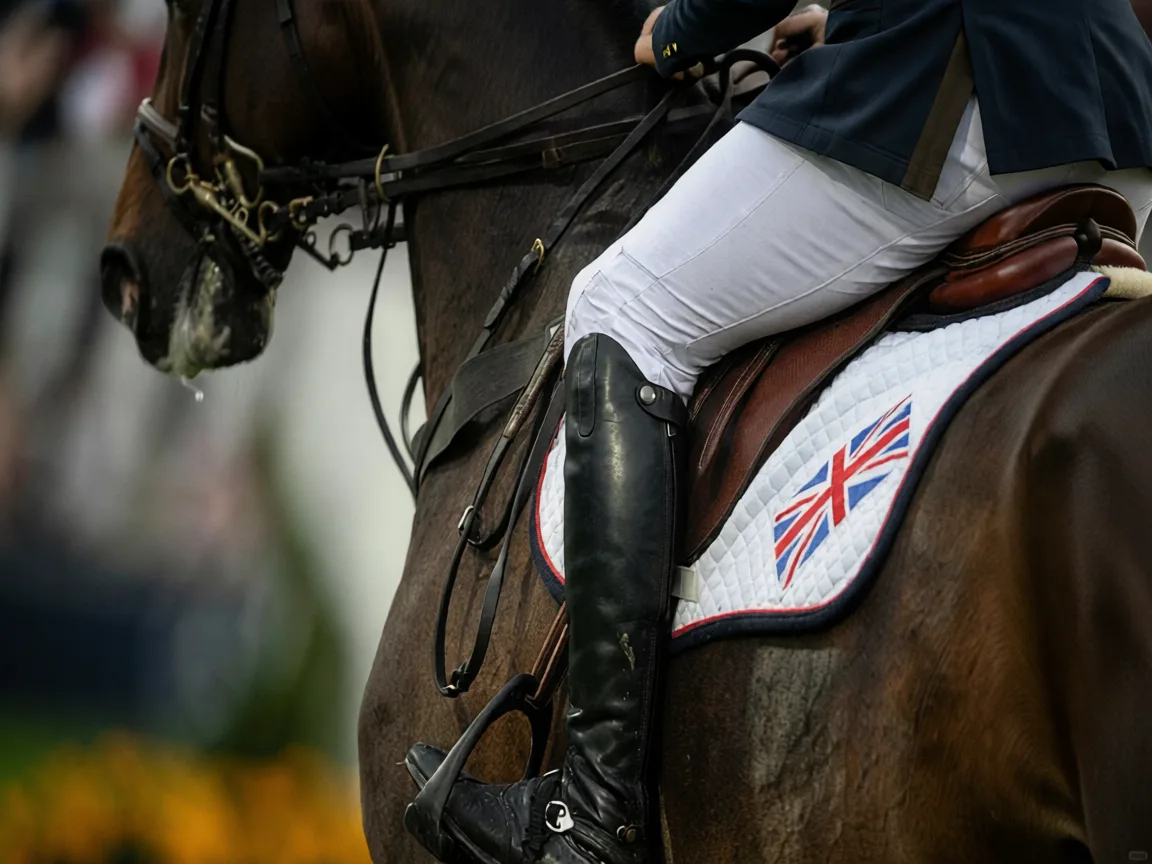
British Eventing Rocked by Double Fatality on Single Saturday
Two riders lost their lives in separate eventing competitions on the same day, leaving the equestrian community searching for answers.
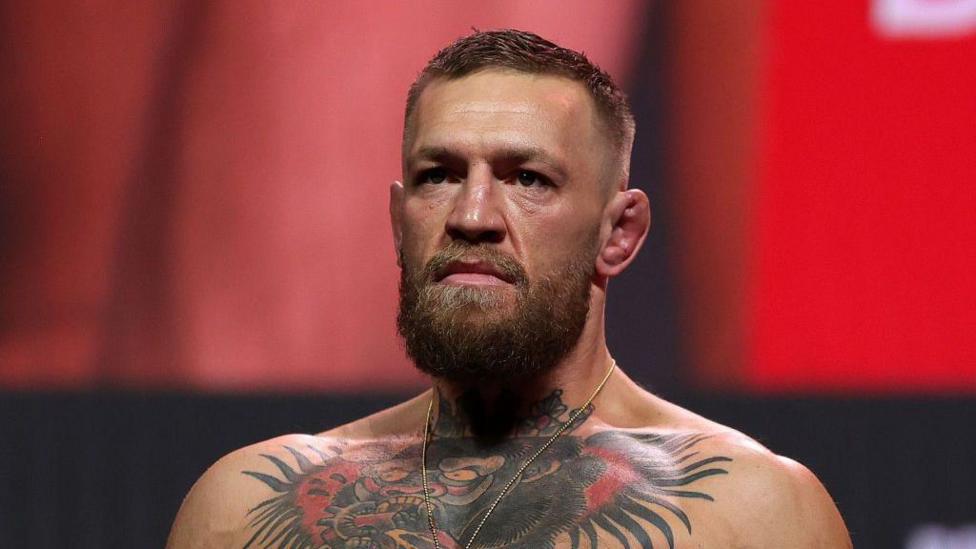
McGregor's UFC 329 Return: Redemption Tour or Undeserved Circus?
Five years away, endless controversy, and a main event slot. Does McGregor still deserve the spotlight?

Sheinbaum's 80% Approval and the Political Sport of Mexican Power
Claudia Sheinbaum's record-breaking popularity mirrors a tactical masterclass in political statecraft.