Pirelli Confirms 2026 Austria Tyre Compounds: Strategy War Looms
Pirelli reveals the tyre compounds for the 2026 Austrian Grand Prix, setting the stage for a ruthless strategic fight at the Red Bull Ring.
Lights Out on the 2026 Tyre War
The compound allocation drops. The strategy boards light up. For the 2026 Austrian Grand Prix, Pirelli has officially confirmed the tyre compounds heading to the Red Bull Ring, and the data is already sending shockwaves through the pit wall.
Short/sharp corners. Massive traction zones. A layout that punishes the rubber relentlessly. Spielberg does not forgive tyre management errors. Get it wrong, and you bleed seconds. Get it right, and you steal a podium from the jaws of mediocrity.
The announcement sets the strategic battlefield for what promises to be one of the most demanding weekends on the 2026 calendar. Every single deg number, every thermal window, every undercut opportunity now gets scrutinized by a thousand engineers.
Decoding the Compound Selection
Pirelli's compound picks are never random. They are calculated strikes aimed at balancing pure performance against durability. For the sweeping, brutal demands of the Red Bull Ring, the Italian manufacturer has selected the three hardest dry compounds in the 2026 range: C1, C2, and C3.
Why the hard end of the spectrum? The Red Bull Ring is a Leviathan of traction and braking energy. Turns 1 and 3 force drivers to stamp on the brakes from searing high speeds. Then they rocket out of the corner on full throttle, ripping the rear tyres through the asphalt. The longitudinal forces are weaponized.
Soft compounds vaporize here. The 2025 race proved that even medium tyres can suffer from severe thermal degradation if pushed too hard in dirty air. C3 gives the qualifying gladiators a chance to shine on Saturday, while C1 provides the armour for long Sunday stints.
The Compound Breakdown
- C1 (Hard): The strategic anchor. Expect this to be the go-to tyre for the opening stint of a one-stop plan. Its ability to resist thermal blistering under brutal traction loads will be paramount.
- C2 (Medium): The race-winning race tyre. The C2 will serve as the baseline. The crucial operating window will separate the elite from the midfield dragging their rear tyres across the limit.
- C3 (Soft): The Saturday special. Pure Sunday aggression. Expect teams to save C3 sets purely for Q3 runs and the critical opening laps before the inevitable thermal cliff.
The Traction Trap: Why 2026 Changes the Game
The 2026 regulations flip the script entirely, making this compound selection a entirely different strategic beast from past seasons. The new-generation cars are lighter, generating revised downforce levels, and the power unit dynamics have shifted significantly.
Lighter car mass reduces the base load going into the contact patch. That sounds like a win for tyre preservation. But the active aerodynamics mean drivers spend more time at full throttle, generating intense heat cycles. The Red Bull Ring features just 10 corners, meaning cars are on the straights for roughly 67% of the lap. Those extended full-throttle bursts build up immense surface temperatures.
Then hit the brakes. The temperature spikes. The core heats up. The C2 and C3 compounds have to survive this violent thermal rollercoaster. In 2026, with the revised aero rules promoting closer following, drivers will spend more time in the dirty air of the car ahead. Dirty air kills downforce, forces sliding, and multiplies degradation by an exponential factor.
The Pit Window Battleground
Austria traditionally serves up a one-stop race, but the 2026 compound allocation throws a massive wrench into that comfortable assumption.
If C3 degradation is steeper than simulations predict, we will see an early pit window opening on lap 14. The undercut at the Red Bull Ring is notoriously potent. A fresh set of C2 tyres can deliver a 1.2-second per lap advantage over a worn C3. In Austria, track position is king. DRS trains are notoriously difficult to break out of when the entire field is separated by tenths. The pit wall will sweat over the timing screens.
Wait one lap too long, and you lose two or three positions. Pit one lap too early, and you risk running out of grip on the hard tyre at the chequered flag. The crossover point between C2 and C1 will be the most fiercely contested data point of the weekend.
Sprint Weekend Chaos
The pressure dials up to maximum. Austria is a Sprint weekend. Just one hour of Free Practice stands between the teams and parc fermé conditions. There is zero margin for setup error.
Those flawless Friday runs? Gone. Engineers have to guess the ride height and mechanical balance based on historical data and simulation. If they guess wrong, the tyre wear profile shifts dramatically. A car sliding through Turns 6 and 7 will eat its rear C3 tyres alive.
Expect aggressive medium-tyre runs in the Sprint. Teams will hoard fresh C2 and C1 sets for Sunday's Grand Prix, weaponizing older rubber for the 24-lap Sprint shootout. It creates a fascinating split strategy between teams fighting for Sprint points and those preserving inventory for Sunday.
Race Verdict
- MVP: The Chief Strategist. With slim margins, an unpredictable Sprint format, and volatile 2026 thermal behaviour, the pit wall math genius who nails the undercut call wins the race.
- Biggest Disappointment: Any driver who burns through their C3 tyres fighting wheel-to-wheel in the opening three laps. An early hotspot blister will effectively end their afternoon.
"Tyre management in Spielberg is never about cruising. You are constantly on the edge, preparing the exit, braking the car, fighting the torque. If you lose the rear window, the race is gone." — A realistic reflection of the challenge facing the 2026 grid.
Championship Picture
Austria sits in the mid-season stretch. By round 11 in 2026, the title fight is typically crystallizing. A strategic masterclass at the Red Bull Ring yields 25 points and swings momentum. A miscalculation, however, gifts rivals a free podium and vital Constructors' damage.
The brutally short lap means the field will be tight. Expect Q1 elimination margins to be under 0.4 seconds. In a championship battle where every point is a bullet, Austria will be a shootout. The cars are faster, the tyres are harder, and the strategic knives are sharper than ever. The compound allocation is set. The war begins now.
Editorial Integrity
This is an original SportPulse article written by our editorial team. All content is independently researched, written, and reviewed by our writers and editors before publication. We do not publish copied, aggregated, or syndicated content.
SportPulse is committed to original sports journalism. Read our editorial policy or contact us with any questions.
More Like This
All f1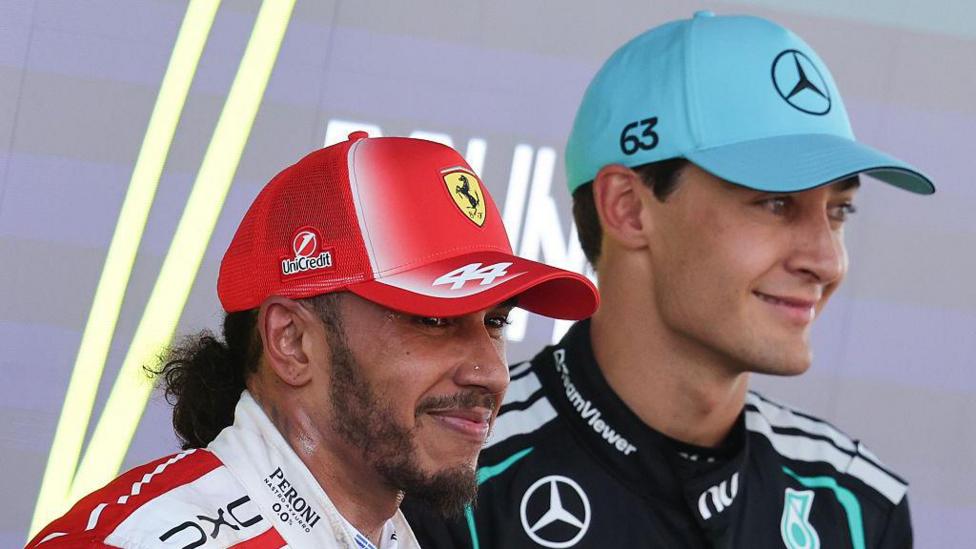
Russell Eyes Hamilton and Ferrari as Championship Dark Horse in 2025
Mercedes driver George Russell names Lewis Hamilton's Ferrari switch as the biggest title threat heading into the new season.
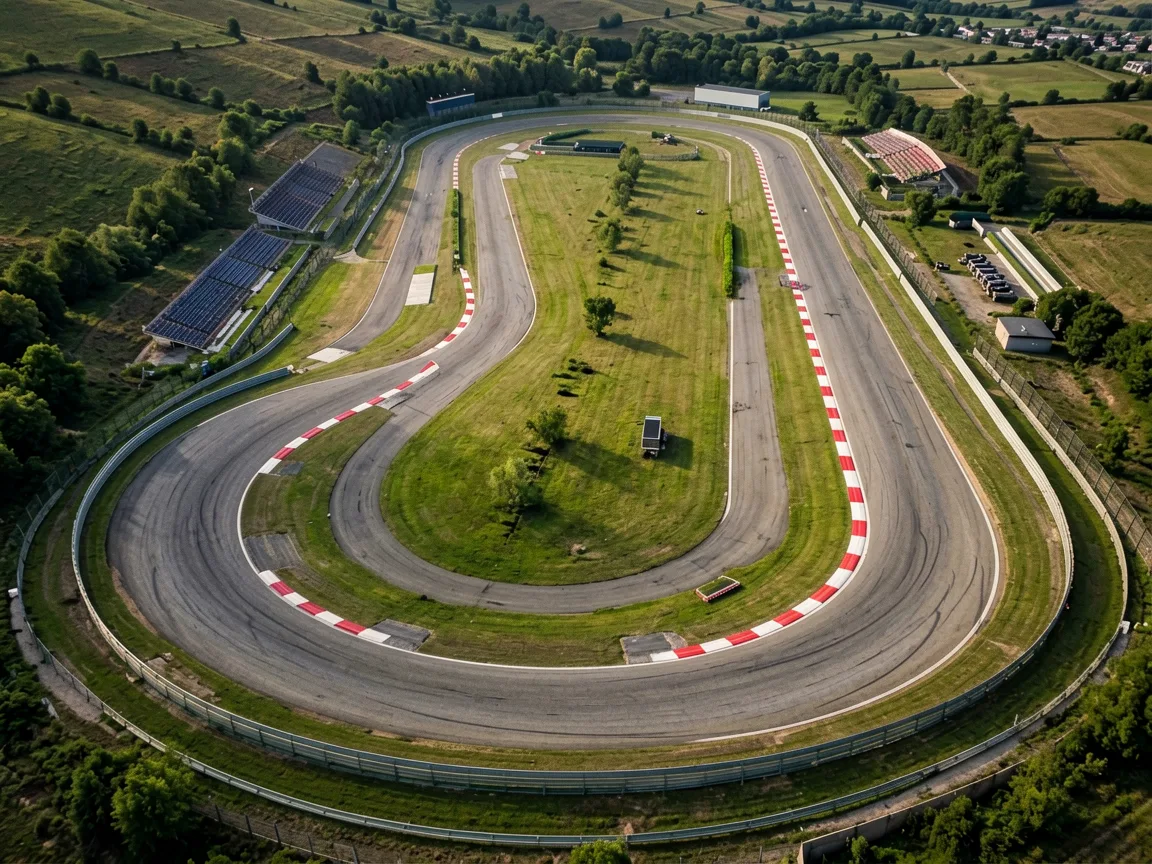
Spa's Aero Trap: Why Belgian GP Setup Demands Compromise
Spa-Francorchamps forces engineers into brutal drag-downforce compromises that define the Belgian GP technical battle.

Verstappen Conquers Miami: Hill and Montoya Deliver the Verdict
Max Verstappen dodges the Miami chaos as Damon Hill and Juan Pablo Montoya unpack a race of raw pace and ruined strategies.