Saint Christopher Watch: Pochettino’s Nomadic Future Hangs in Balance
Mauricio Pochettino’s US Soccer tenure faces an uncertain crossroads as federation leadership weighs continuity against change.
The Weight of the Medallion
Spend any time around Mauricio Pochettino and the first thing you notice is not his tactical diagrams or his fiery sideline demeanor. It is the silver medallion hanging from a bracelet on his right wrist.
Engraved with Saint Christopher, the patron saint of travelers, it is a talisman for a man defined by movement. For Pochettino, stability has always been the exception, not the rule. He is a professional nomad, a coach who has shepherded five different clubs before arriving in the United States approximately 22 months ago.
"The nomadic nature of high-level management is inherent to our profession. You pack your life, you unpack it, you adapt."
That adaptability is currently being tested. As the dust settles on a disappointing World Cup exit, the United States Soccer Federation (USSF) finds itself at a critical juncture. Pochettino awaits talks regarding his future. The federation publicly backs him, yet the language coming from inside the organization suggests the door is wide open for change.
This is not merely a personnel decision. It is a philosophical question about what American soccer needs to survive in the modern era.
A Season of Dissonance
To understand the uncertainty surrounding Pochettino, one must look past the immediate heartbreak of the tournament exit and examine the broader narrative of his tenure. When he took the helm, expectations were sky-high. The promise was to elevate the US Men’s National Team (USMNT) from a competitive underdog to a genuine global threat.
Instead, the result has been a confusing blend of potential and fragility. Pochettino brought a distinct identity: high-pressing, possession-oriented, and aggressive. It is a style that worked wonders at Southampton, Tottenham, and Paris Saint-Germain. But translating club tactics to international duty, where squads assemble for mere weeks at a time, is a Herculean task.
The World Cup performance highlighted the gaps. While individual brilliance shone, the collective cohesion required to execute Pochettino’s complex systems against elite opposition remained elusive. The team looked disjointed in midfield, struggling to maintain the intense pressing structure that defines his philosophy.
Critics argue that the style is too ambitious for the current roster depth. Supporters counter that the players simply lacked the time to internalize the system. Either way, the result on the pitch was a failure to advance, leaving fans and officials alike questioning the timeline.
The Federation’s Dilemma
The USSF is now caught between loyalty and pragmatism. On paper, Pochettino is the biggest name in American coaching history. His brand carries weight. He attracts attention. He brings a level of prestige that can help grow the sport domestically.
However, prestige does not win matches. Results do. The federation’s public support is a shield, designed to protect their investment and maintain stability during a transition period. But behind closed doors, the mood is more nuanced.
Sources indicate that while the board stands by Pochettino, they are simultaneously evaluating other options. This dual approach is typical of large sporting organizations trying to manage risk. They want to give their coach a chance to recover, but they cannot afford to let momentum stall.
"We believe in the project. We believe in the man. But we also believe in accountability."
This statement, likely echoing sentiments within the federation, captures the tension perfectly. Accountability in soccer is brutal. A single tournament failure can end careers. Yet, firing a coach of Pochettino’s stature immediately after a World Cup exit could be seen as a panic move, damaging the long-term vision of the program.
Tactical Identity vs. Roster Reality
Beyond the politics, there is a tactical puzzle that Pochettino has yet to solve. The USMNT boasts a generation of talent playing in Europe’s top leagues. Players like Christian Pulisic, Tyler Adams, and Weston McKennie have the technical ability to play Pochettino’s style.
But ability is not the same as execution. The team struggled to transition quickly from defense to attack, a hallmark of Pochettino’s teams. Opponents exploited the space left behind by high defensive lines, leading to vulnerable moments that cost the team dearly.
Furthermore, the integration of new call-ups into a rigid tactical framework is difficult. Pochettino needs a squad that moves as one organism. Currently, the USMNT resembles a collection of talented individuals rather than a unified unit. This disconnect is visible in every match, from the group stages to the knockout rounds.
The question for the federation is whether Pochettino can bridge this gap. Can he refine his methods to suit the specific strengths and weaknesses of the American roster? Or does the team need a coach with a more flexible, pragmatic approach?
The Nomad’s Next Stop
If Pochettino stays, the pressure will intensify. The next major tournament cycle begins almost immediately. There is no grace period for failure. The federation expects progress, not just participation.
If he goes, the search for a replacement will be fierce. The ideal candidate would possess Pochettino’s tactical acumen but also the interpersonal skills to unite a diverse locker room. They would need to balance ambition with realism, pushing players to their limits without breaking their spirit.
Pochettino’s own career trajectory suggests he is not done. At 52 years old, he is in his prime. He has proven he can succeed at the highest levels of club football. The challenge now is to adapt that success to the international stage, where the margins for error are razor-thin.
His Saint Christopher medallion serves as a reminder of his journey. He has traveled far, from Rosario to La Manga, from London to Paris. Now, he stands at another crossroads. The road ahead is uncertain, but the destination remains the same: to lead the USMNT to glory.
What Changes Next
Regardless of the outcome, the USMNT is at a pivotal moment. The talent pool is deeper than ever before. The infrastructure is improving. The global profile of American soccer is rising.
But talent alone is not enough. It requires direction. It requires a coach who can harness that potential and channel it into results. Whether that coach is Pochettino or someone else, the expectation is clear.
The federation must make a decision that aligns with their long-term vision, not just short-term comfort. They must choose between sticking with a big-name experiment or seeking a proven solution. Either path carries risk. Neither path guarantees success.
But one thing is certain: the era of complacency is over. The USMNT is no longer a novelty act. It is a contender. And contenders do not settle for mediocrity. They demand excellence. They demand results.
Pochettino’s future hangs in the balance, but the future of American soccer does not. It moves forward, relentless and unyielding, driven by the belief that the next chapter will be better than the last.
Editorial Integrity
This is an original SportPulse article written by our editorial team. All content is independently researched, written, and reviewed by our writers and editors before publication. We do not publish copied, aggregated, or syndicated content.
SportPulse is committed to original sports journalism. Read our editorial policy or contact us with any questions.
More Like This
All football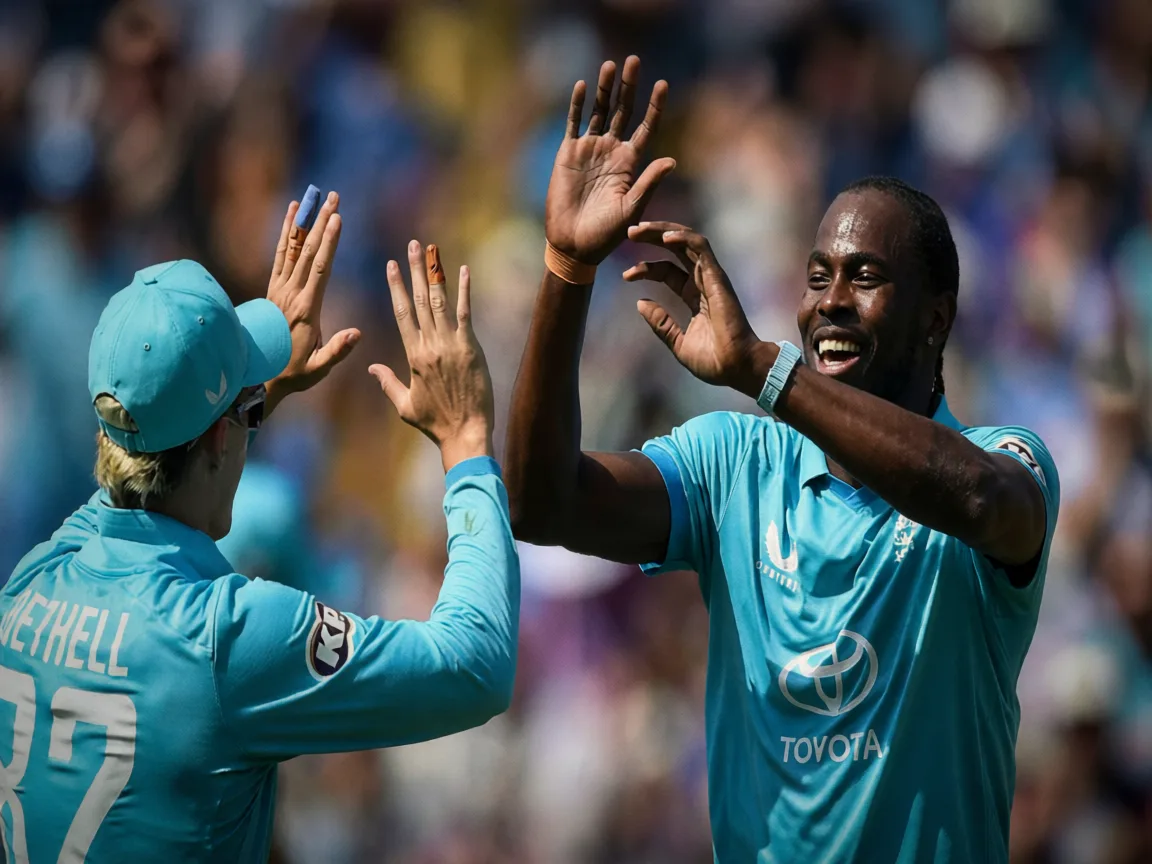
Archer and Rashid Combine to Outfox Kohli in Cardiff Thriller
Kohli survived a review only to fall next ball as Archer and Rashid delivered England a crucial breakthrough in Cardiff.
Bielsa Meets His Disciple as Fractious Uruguay Face Spain
Uruguay's mutinous dressing room meets Spain's clinical excellence in a pivotal showdown between master and former pupil.
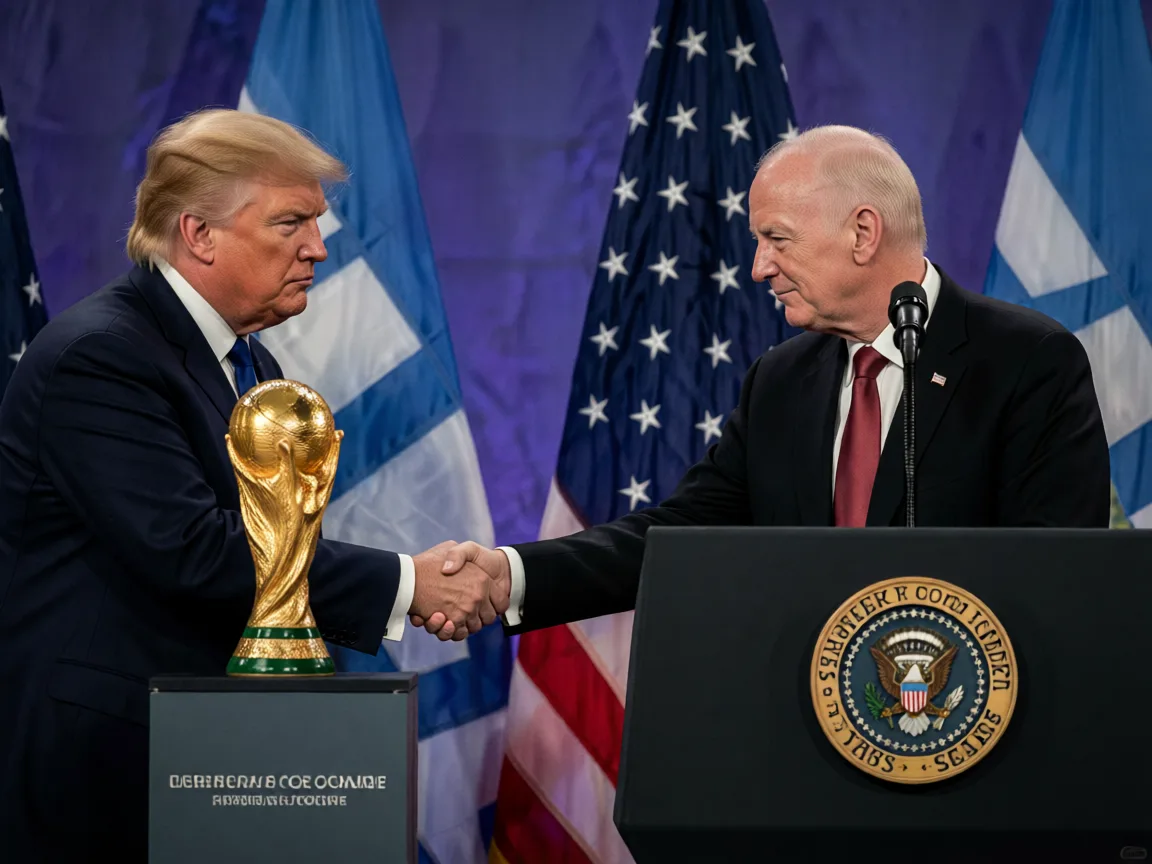
Final Weekend: Spain Face Argentina as Continental Rivalry Overrides Regional Solidarity
World Cup 2026 ends with Spain versus Argentina in the final and England facing France for bronze amid deep tactical and cultural storylines.