PSG's Back-to-Back Crowning: Arteta's Defensive Masterclass Falls One Penalty Short
Arsenal's disciplined low block nearly silenced PSG's fearsome attack, but the champions held their nerve from the spot.
The Shape That Nearly Stole It
The pre-match narrative wrote itself: Paris Saint-Germain, the most devastating attacking force in European football, against an Arsenal side that had ground opponents down all season with structure, discipline, and controlled aggression. The central question was not whether Mikel Arteta would set up to contain, but how deep he would dare to go.
The answer, it turned out, was remarkably deep. Arsenal deployed a compact 4-4-2 low block that morphed into a 5-4-1 without the ball, with the midfield line sitting no more than 30 metres from their own goal for extended stretches. The wingbacks tucked inside, the centre-backs held a narrow, disciplined line, and the two central midfielders operated almost as a double pivot screening the back four. It was not pretty. It was not adventurous. But it was, for the vast majority of the match, extraordinarily effective.
PSG controlled possession with their customary patience, circulating the ball through their midfield trio and probing for gaps between Arsenal's defensive and midfield lines. But the spaces they usually exploit, those half-spaces where their creative fulcrum typically receives between the lines, were suffocated. Arsenal's defensive block was staggered intelligently, with the first line of pressing designed not to win the ball but to shepherd PSG's build-up into predictable wide channels.
Arteta's Pragmatic Gamble
The tactical debate around Arteta's approach will rage for weeks. Critics will call it negative, overly cautious, even disrespectful to the occasion. But the numbers tell a different story. Arsenal restricted one of the most prolific attacking units in Champions League history to limited high-quality chances across 120 minutes of football. PSG's expected goals remained modest for a team that had been averaging over two goals per game in the knockout rounds.
"We prepared for the team we were facing, not the occasion. Every tactical decision was made to give us the best chance of winning this trophy. When you play against this level of attacking talent, space is the enemy. We tried to eliminate it." — Mikel Arteta
This was not mindless bus-parking. There was a calculated method to the apparent negativity. Arsenal's defensive transitions were sharp and purposeful. On the rare occasions they won the ball in the middle third, the vertical passes forward were incisive, designed to release runners behind PSG's high defensive line before the French side could reorganize. The problem was frequency, not quality. Arsenal simply did not recover the ball enough in dangerous areas to sustain meaningful pressure.
The Midfield Chess Match
The key tactical battleground was always going to be in central midfield. PSG's engine room, arguably the best in world football at this moment, thrives on controlling tempo, recycling possession, and threading passes into the final third. Arsenal's midfielders were tasked with a fundamentally different brief: hold the shape, deny the vertical pass, and force PSG wide where their threat is diminished.
For long stretches, Arsenal won this particular duel. PSG's midfielders found themselves receiving the ball in comfortable positions but with no progressive passing lanes available. The block was too compact, the distances too small. The Parisians were forced into lateral circulation, patient but ultimately sterile for long periods of the match.
However, this came at a cost. Arsenal's own midfield was functionally nonexistent as an attacking force. The central players were so committed to their defensive responsibilities that transitions through the middle were almost impossible. When Arsenal did break, it was almost exclusively through direct, long balls aimed at exploiting the channel between PSG's centre-back and fullback.
Tactical Shift: The Periods of PSG Pressure
The match followed a repeating pattern that revealed the limits of Arsenal's approach. In concentrated spells, particularly at the start of each half, PSG raised their intensity and tempo, moving the ball faster, making more aggressive off-ball runs, and committing additional bodies forward. These were the moments when Arsenal's block came under genuine strain.
During one such spell, PSG found space on Arsenal's right side, where the defensive winger was caught narrow covering the half-space. The resulting cross created a dangerous situation that required a goal-line intervention. It was a reminder that even the most disciplined low block cannot hold forever against elite talent. The margins are simply too thin.
What made Arsenal's performance so impressive was the recovery. Each time PSG threatened to break through, Arsenal reorganized with remarkable speed. The defensive shape was not rigid but adaptive, expanding and contracting depending on where PSG held possession. This is the hallmark of a coaching staff that has drilled defensive patterns obsessively, and it kept Arsenal in the match far longer than many expected.
Penalties: Where Preparation Meets Nerve
The penalty shootout was a cruel way to decide a final, but it was also the logical conclusion of a match that had been defined by defensive control. PSG's composure from 12 yards was exemplary, their takers showing the kind of ice-cold precision that comes from meticulous preparation and the confidence of a squad that has been here before.
Arsenal's spot-kicks were less assured. The pressure of the occasion, combined with the physical and mental exhaustion of defending for two hours, told in the decisive moments. When the final penalty hit the net, PSG had their second consecutive Champions League title, a feat that cements this squad among the great European sides of the modern era.
Slot's Anfield Exit Adds to the Subplot
While the Champions League final dominated the headlines, the confirmed departure of Arne Slot from Liverpool added another seismic development to the European football landscape. Slot's tenure at Anfield, though brief, left a significant tactical imprint, with his commitment to progressive, possession-based football reshaping Liverpool's identity after the Klopp era.
The timing is notable. Liverpool will now be searching for a new manager during one of the most competitive periods in Premier League history, with Arsenal, Manchester City, and several resurgent clubs all vying for supremacy. Whoever inherits the Anfield dugout will need to maintain Slot's principles while adding their own dimension, a delicate balance that few managers achieve seamlessly.
"The decision to leave was not taken lightly. Liverpool is a special club, and I am proud of what we built here. Sometimes the cycle reaches its natural end." — Arne Slot
What This Final Tells Us About Modern Football
The broader lesson from this Champions League final is uncomfortable for purists but undeniable: defensive football, executed with intelligence and discipline, remains a viable path to the biggest prizes in the game. Arsenal did not lack ambition. They made a calculated assessment that matching PSG in an open, attacking contest would be suicidal, and they were almost proven right.
PSG's back-to-back Champions League victories place them in rarefied air. Only a handful of clubs in the history of the competition have achieved consecutive titles, and the manner of this particular triumph, grinding through 120 minutes of defensive resistance before holding their nerve in the shootout, reveals a mental resilience that separates good teams from great ones.
The Parisians' midfield continues to operate at a level that few clubs can match. Their ability to maintain composure and structure even when a deep block denies them space is a testament to coaching that goes far beyond raw talent. They do not panic. They do not force. They wait, probe, and eventually create.
Looking Ahead
For Arsenal, the immediate aftermath will sting, but the tactical framework Arteta has built gives them a genuine platform. The question is whether the club uses this near-miss as fuel to strengthen the squad with the kind of attacking quality that might allow a more proactive approach in future finals. They proved they can defend against the best; now they need to prove they can attack them too.
PSG will enter next season as the team to beat once more, not just in France but across Europe. Their squad depth, tactical maturity, and winning mentality make them formidable opponents in any context. The challenge for the chasing pack is identifying weaknesses in a system that looks increasingly complete.
Liverpool, meanwhile, face an uncertain but intriguing future. The managerial search will define their trajectory for the next three to five years, and with the Premier League's competitive landscape more volatile than ever, getting this appointment right is absolutely critical.
The Champions League has spoken. PSG sit atop European football once again, and the tactical war that brought them there tells us everything about where the modern game is heading.
Editorial Integrity
This is an original SportPulse article written by our editorial team. All content is independently researched, written, and reviewed by our writers and editors before publication. We do not publish copied, aggregated, or syndicated content.
SportPulse is committed to original sports journalism. Read our editorial policy or contact us with any questions.
More Like This
All football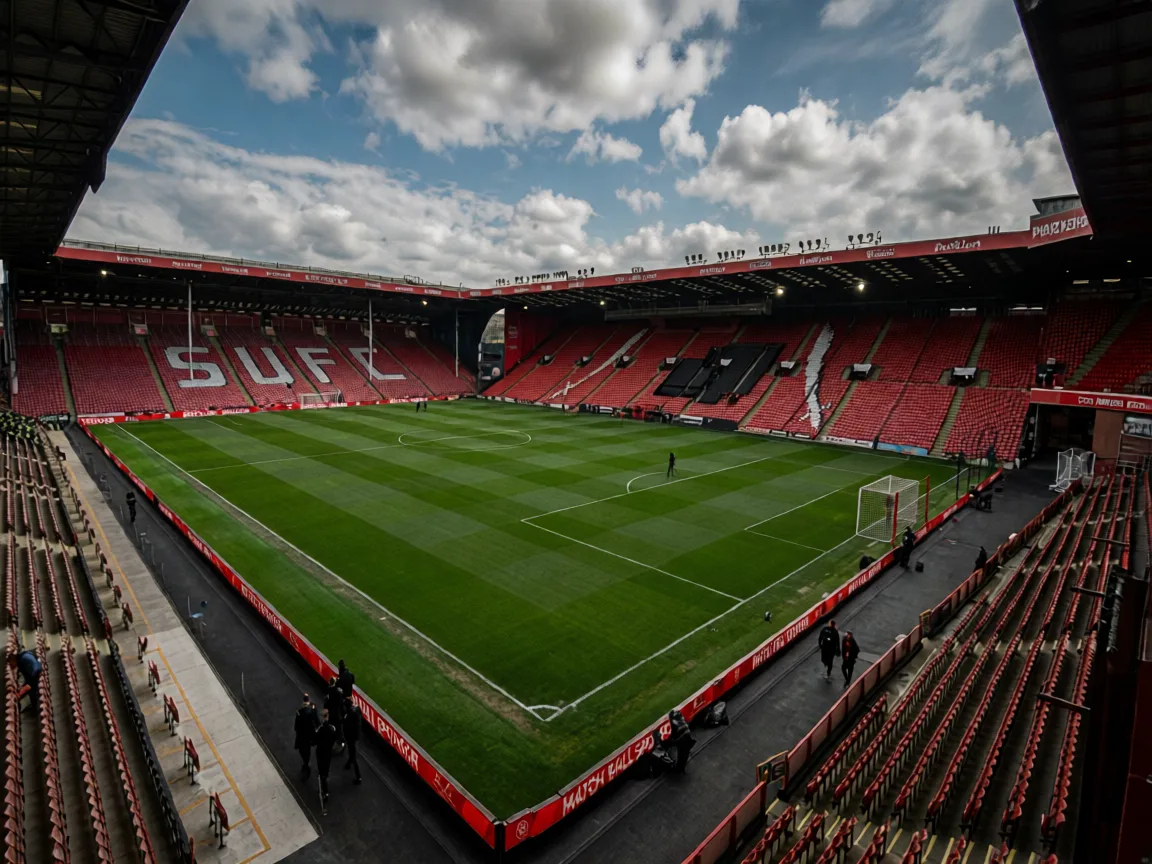
Sheffield United Rocked By £35m Winding-Up Petition
Former Blades owners file a winding-up petition demanding £35m, plunging the club into an existential legal crisis.

Final Weekend: Spain Face Argentina as Continental Rivalry Overrides Regional Solidarity
World Cup 2026 ends with Spain versus Argentina in the final and England facing France for bronze amid deep tactical and cultural storylines.
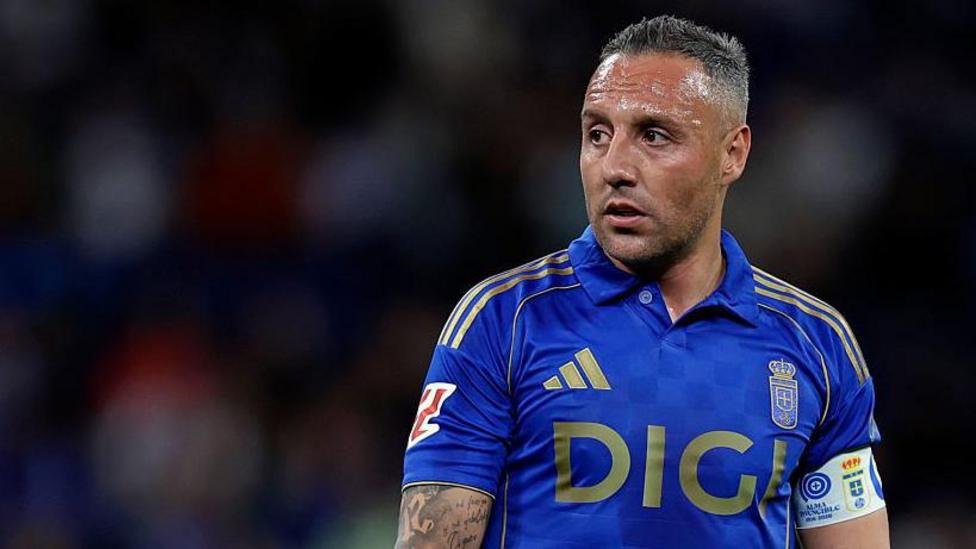
The Quiet Genius Departs: Santi Cazorla Retires at 41
Santi Cazorla's retirement closes the book on one of modern football's most technically complete midfielders.