Raducanu's Wimbledon Dream Hangs by a Thread
A medical boot and a curtailed practice session have cast a heavy cloud over Emma Raducanu's Wimbledon participation.
The Boot That Stopped a Nation
Two days before the grass courts of the All England Club erupt for the Championships, the quiet tension of practice week was shattered. Emma Raducanu, the torchbearer of British women's tennis, cut short her training session. She walked away from the baseline, shook her head, andcancelled her scheduled media duties. The image that followed told the entire story: a medical boot on her right foot, the unmistakable symbol of an athlete's darkest pre-tournament fears.
For any player, an injury right before a Grand Slam is a physical setback. For Raducanu, it is another agonizing chapter in a career defined by the brutal tug-of-war between transcendent talent and a body that refuses to cooperate. The British No. 1 is staring down the very real possibility of a Wimbledon withdrawal.
From Queen's Club Glory to Court Side Despair
The irony of this timing is particularly cruel. Just weeks ago, Raducanu delivered the kind of grass-court surge that sent a jolt of electricity through the British tennis ecosystem. Her run to the final at Queen's Club was a revelation. It was a statement of intent, a demonstration that her US Open triumph was not a solitary mirage but the foundation of a devastating grass-court arsenal.
She moved with fluidity, striking the ball with the ruthless aggression that had once vaulted her from qualifying obscurity to the pinnacle of the sport. But that glorious fortnight at Queen's came at a hidden cost. The right foot injury she sustained during that campaign has morphed from a manageable niggle into a full-blown crisis.
Raducanu had already missed two consecutive days of practice preceding this abortive session. Being spotted leaving the venue in a medical boot shifted the narrative from cautious optimism to stark realism. When a player cannot complete a light hit 48 hours before a Grand Slam match, the writing is not just on the wall. It is etched into the grass.
The Fragile Architecture of a Comeback
To understand the gravity of this moment, you have to look at the psychological architecture Raducanu has spent the last two years trying to rebuild. Since her historic 2021 US Open victory, her trajectory has been violently interrupted by a relentless sequence of physical ailments. Wrist surgery, ankle sprains, and persistent muscular issues have repeatedly blocked her momentum.
Every time she strings together a series of matches and begins to rediscover her elite rhythm, her body has staged a rebellion. This pattern creates a unique psychological burden. It is the torture of the almost-comeback, the draining cycle of rehabilitation followed by exhilarating progress, only to be plunged back into the rehab room.
"When you are constantly rehabilitating, you never really get to compete. You are always preparing, always building, but you never get to test the structure under real fire. That is the hardest part of the cycle." — Insight from a WTA touring coach on chronic injury cycles.
The mental fortitude required to step onto a practice court at Wimbledon, knowing the tissue in your foot might give way at any moment, is immense. Tennis is a sport of millimeters. When a player cannot trust their base, the entire edifice of their game collapses. The explosive first step, the confidence to slide on the baseline, the commitment to a wide forehand. All of it requires absolute trust in the physical frame. The boot symbolizes that trust has been severed.
Career by Numbers
To grasp the magnitude of what is slipping away this week, consider the statistical landscape of Raducanu's truncated elite tenure:
- 1 Grand Slam title (2021 US Open)
- 0 WTA Tour titles in the aftermath of that New York triumph
- 10 retirements or mid-match walkovers in her professional career due to injury or illness
- 272 days as the British No. 1, a status currently under severe threat
- 2 WTA 500 final appearances, including the recent Queen's Club run
These numbers paint a picture of a champion trapped in a cyclical purgatory. The sheer volume of mid-match withdrawals highlights a body that has consistently failed to withstand the rigors of the professional tour.
The Grass-Court Gambit
Grass is the most demanding surface on the lower extremities. It is slick, uneven, and demands constant micro-adjustments from the ankles and feet. A right foot injury on a grass court is a tactical nightmare. Players must constantly shift their weight backward to handle the low, skidding bounce. They must push off laterally to defend the wide angles.
Without a fully functioning right foot, a player's kinetic chain is disrupted. Power generated from the ground up is severely compromised. Raducanu's game relies heavily on taking the ball early, redirecting pace, and hitting on the rise. These actions require violent, sudden transfers of weight onto the front foot. If her right foot cannot absorb that force, she becomes a devastating weapon reduced to firing blanks.
The Shadow Over Centre Court
The implications of a potential Raducanu withdrawal ripple far beyond her own career trajectory. Wimbledon thrives on its homegrown narratives. The All England Club has spent the last few years leaning heavily on the Raducanu story to sell its middle-week magic. The crowd on Centre Court rallies behind her with a ferocity rarely seen in the individualistic world of tennis.
Should she withdraw, the women's draw loses its most potent box-office drawcard. The tournament bracket immediately opens up for her prospective opponents, while the British tennis public is left to ponder what might have been. The immediate question facing her team right now is a brutal calculation of risk versus reward.
Playing through pain on an unstable ankle at a Grand Slam is a short-term gamble with long-term consequences. Aggravating the injury could mean jeopardizing the entire North American hard-court swing, including her return to the site of her greatest triumph at Flushing Meadows. Yet the lure of Wimbledon, the tournament she grew up dreaming about, makes walking away an almost impossible emotional decision.
The Weight of Legacy
Ultimately, Raducanu's career is at a critical juncture. The legacy of her US Open triumph is secure, but the narrative of her subsequent career hangs in the balance. Will she be remembered as a flash of brilliant lightning, a player who scaled the summit only to be stranded by physical fragility? Or will she forge a legacy of resilience, overcoming the trauma of chronic injury to claim her place at the top of the sport once again?
The medical boot is a stark, visual reminder of the physical warfare professional tennis entails. As the countdown to Wimbledon's first serve ticks toward zero, Great Britain holds its breath. Raducanu's talent is undeniable. Her willingness to fight is unquestioned. But the canvas upon which her career is being painted keeps getting torn apart.
Update:
新 item 补充了拉杜卡努在周六缩短练习的具体时间细节,但核心事实与已发布文章一致
Editorial Integrity
This is an original SportPulse article written by our editorial team. All content is independently researched, written, and reviewed by our writers and editors before publication. We do not publish copied, aggregated, or syndicated content.
SportPulse is committed to original sports journalism. Read our editorial policy or contact us with any questions.
More Like This
All tennis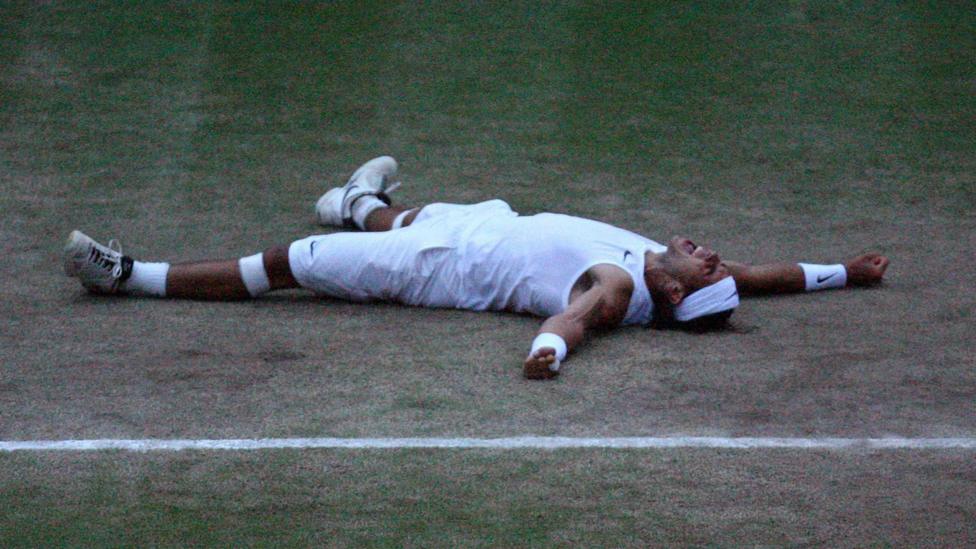
Nadal Reflects on the Match That Shattered Gravity
Rafael Nadal revisits his seismic 2008 Wimbledon triumph over Roger Federer, a five-set epic that redefined tennis history.
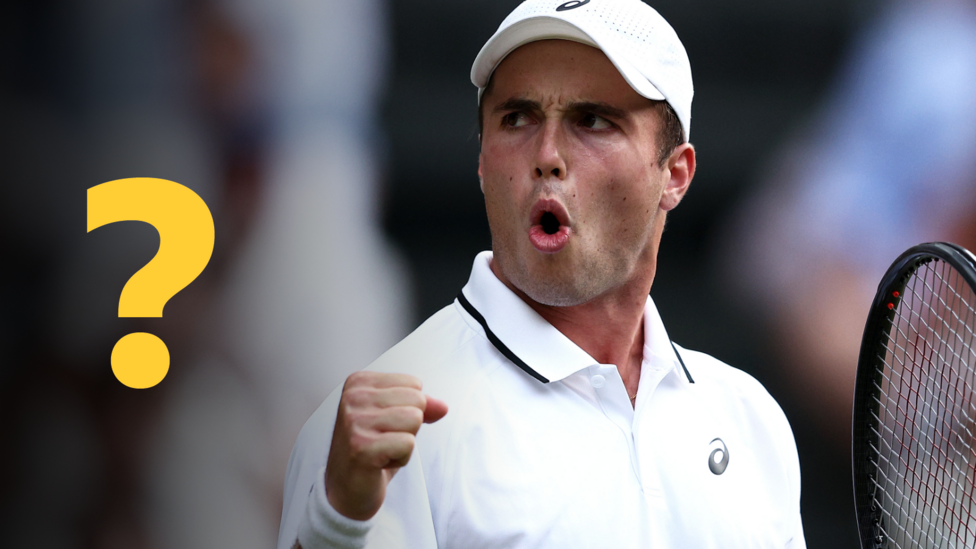
Britain's Wimbledon Quarter-Finalists: A Forgotten Roll Call
Ten British players reached a Wimbledon singles quarter-final in the Open era. Most are forgotten. Their stories deserve better.
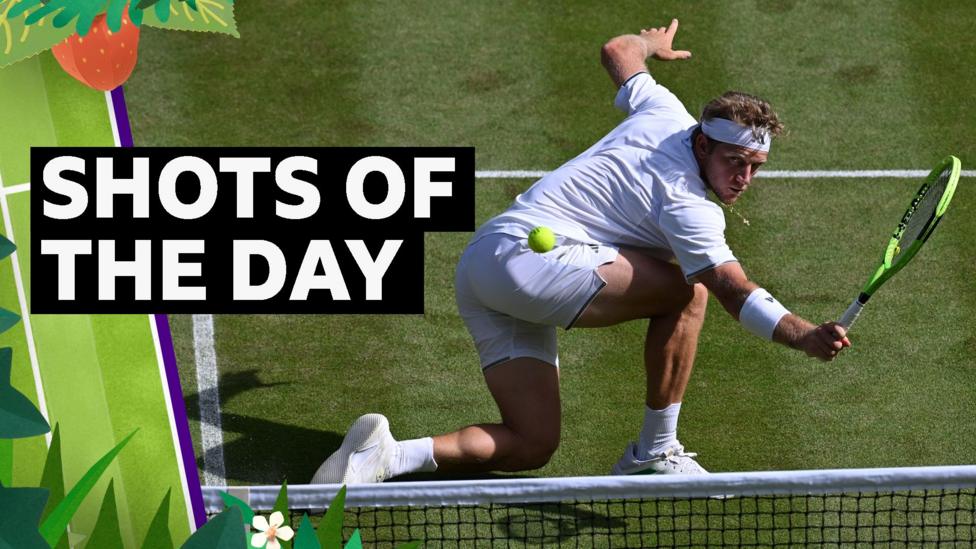
Wimbledon Day Seven: The Tactical Nuance Behind Simply Brilliant Shot-Making
Day seven at Wimbledon showcased how modern grass-court tennis blends raw power with chess-like positional intelligence.