Raducanu's Wimbledon Dream Shattered by Stress Fracture on Eve of Championships
Britain's brightest tennis hope withdraws from Wimbledon with a leg stress fracture, leaving Centre Court's roar waiting for another year.
A Silence Falls Over SW19
The grass courts at the All England Club were being manicured to perfection, the strawberries were stacked in their punnets, and the British tennis public was bracing for another summer of Emma Raducanu on Centre Court. Then, with the kind of timing that feels almost cruel, the news broke: Britain's number one had withdrawn from Wimbledon due to a leg stress fracture.
It is the sentence no one in British tennis wanted to read. Not now. Not with the Championships just days away. Not after the months of careful rehabilitation, the incremental return to competitive form, and the cautious optimism that this might finally be the summer the 2021 US Open champion announced herself on home soil.
The withdrawal was confirmed amid reactions from BBC Sport pundits Tim Henman and Anne Keothavong, both of whom struggled to mask their devastation. Keothavong, the former British Fed Cup captain, called it "devastating news" -- a phrase that, while measured, carried the weight of an entire nation's tennis aspirations.
The Injury Nobody Saw Coming
Stress fractures are among the most insidious injuries in professional tennis. They do not arrive with the dramatic snap of a ligament tear or the visible agony of a rolled ankle. They creep. They build. They announce themselves quietly, often only after weeks of micro-damage has accumulated beneath the surface.
For a player like Raducanu, whose explosive movement and aggressive court coverage are central to her game, a leg stress fracture is particularly problematic. The sport's relentless calendar -- hard courts, clay, grass, hard courts again -- places enormous repetitive stress on the lower limbs. Grand Slam tennis demands five-set readiness (for men) and best-of-three-set intensity with matches separated by barely 48 hours. The body simply cannot be rushed.
Raducanu's fitness history has been well documented since her stunning breakthrough at Flushing Meadows nearly three years ago. Wrist surgery, ankle problems, and multiple retirements have punctuated what should have been a steep upward trajectory. The pattern has become a painful narrative: talent blooming, injury intervening, comeback stalling.
What This Means for British Tennis
The timing could hardly be worse. Wimbledon is not merely a Grand Slam; it is the spiritual home of British tennis, the fortnight when casual fans become experts and every Briton with a racket becomes a national hero. Raducanu's absence leaves a gaping hole in the home narrative.
Tim Henman, who knows the burden of British Wimbledon expectation better than almost anyone, reflected on the emotional toll. Henman carried the hopes of a nation for over a decade, reaching four Wimbledon semi-finals without ever lifting the trophy. He understands the unique pressure -- and the unique heartbreak -- of letting those hopes down.
"It's devastating news for Emma and for everyone who was looking forward to seeing her compete on the biggest stage in British tennis. The most important thing now is her long-term health." -- Tim Henman, BBC Sport
The British draw at Wimbledon will now look markedly different. While other home players will benefit from increased attention and potentially favourable scheduling, none carry the gravitational pull of a former Grand Slam champion playing on home soil. The atmosphere on Court One or Centre Court when Raducanu walks out is electric in a way that is difficult to replicate. That electricity will be absent this year.
The Bigger Career Picture
Here is the uncomfortable truth that British tennis must confront: Raducanu is now nearly three years removed from her US Open triumph, and she has not come close to replicating that form. Her ranking has fluctuated wildly. Her match fitness has been inconsistent at best. The gap between the player who blazed through qualifying and won seven straight matches in New York without dropping a set and the player who now cannot take the court at Wimbledon feels wider than ever.
This is not a criticism of Raducanu. At 21 years old, she still has time on her side. Tennis history is littered with players who suffered significant injury setbacks in their early twenties before surging back to prominence. Jennifer Capriati famously won her first Grand Slam at 24 after years away from the sport. Novak Djokovic battled serious elbow issues in his late twenties before returning to dominate.
But the window is not infinite. Every missed Grand Slam is a missed opportunity to accumulate ranking points, to build match toughness, to develop the tactical maturity that only comes from competing against the best in the highest-pressure moments. A stress fracture now means weeks or months of rehabilitation, followed by a gradual return to training, followed by the uncertain process of competitive re-entry.
Match Stats: Raducanu's Injury-Plagued Timeline
- September 2021: Wins US Open as a qualifier, ranked world No. 150
- 2022 season: Hampered by blisters, side strain, and a rib injury; retires from multiple matches
- Early 2023: Undergoes surgeries on both wrists and one ankle
- 2024 comeback: Gradual return to the tour with mixed results across multiple surfaces
- June 2024: Withdraws from Wimbledon with a leg stress fracture
- Career-high ranking: No. 10 (July 2022)
- Grand Slams contested since US Open 2021: 7, with no quarter-final appearances
The Rehabilitation Road Ahead
Medical consensus on stress fractures in the lower leg typically suggests a recovery window of six to twelve weeks, depending on severity and location. For a professional athlete, that timeline must be extended to account for the progressive reintroduction of high-intensity movement, directional changes, and the explosive lateral work that tennis demands.
Realistically, Raducanu is looking at a return to competitive action no earlier than the North American hard court swing in August, and possibly not until the Asian swing in September or October. The US Open, where she created history in 2021, begins in late August. Whether she can be match-ready for Flushing Meadows is a question that will dominate British tennis discourse for the coming weeks.
Her team will need to be patient and disciplined. The temptation to rush back -- particularly with the lure of the US Open and its memories -- must be resisted if the fracture has not fully healed. Re-injury would be catastrophic, potentially threatening her participation in the remainder of the 2024 season entirely.
Keothavong's Perspective: The Human Cost
Anne Keothavong's reaction deserves particular attention. As someone who navigated the British tennis landscape as a player and then as Fed Cup captain, Keothavong understands both the physical and psychological toll of repeated injuries.
"It's devastating news. Emma is such a talented player and everyone in British tennis was hoping this would be her year at Wimbledon. You just hope she takes the time she needs to come back fully fit." -- Anne Keothavong, BBC Sport
The word "devastating" does a lot of work here. It speaks not only to the immediate disappointment but to the cumulative frustration of watching a generational talent struggle to stay on court. For British tennis administrators, coaches, and sponsors who have invested heavily in Raducanu as the face of the sport in this country, each withdrawal is a logistical and emotional setback.
What Wimbledon Loses
Grand Slams thrive on narratives. Wimbledon, with its traditions and its tendency toward fairy tales, thrives on them more than most. Raducanu on Centre Court was supposed to be one of the defining stories of the 2024 Championships: a young champion returning to the scene of so many British tennis dreams, fully fit, ready to contend.
Instead, the narrative shifts. The women's draw loses one of its most marketable and compelling figures. Television audiences in the United Kingdom will miss the viewing spike that a Raducanu run inevitably generates. The crowd on Henman Hill -- or Murray Mound, depending on your preference -- will lack its most electric inspiration.
The tournament will go on, of course. It always does. But something will be missing, and everyone in SW19 will know it.
Looking Forward
The next chapter of Emma Raducanu's career will be written not on Centre Court but in rehabilitation rooms, on practice courts far from the spotlight, and in the quiet, unglamorous work of rebuilding a body that has been asked to endure too much too soon.
British tennis must give her that time. The talent is undeniable -- no one wins a Grand Slam from qualifying by accident. The question has never been about ability. It has been about availability.
When Raducanu does return, she will find a WTA Tour that has moved on without her. New stars have emerged. Old rivals have strengthened. The competitive landscape is less forgiving than the one she conquered in New York.
But this is Emma Raducanu. She has done the improbable before. The grass courts of Wimbledon will wait for her. They always do.
Editorial Integrity
This is an original SportPulse article written by our editorial team. All content is independently researched, written, and reviewed by our writers and editors before publication. We do not publish copied, aggregated, or syndicated content.
SportPulse is committed to original sports journalism. Read our editorial policy or contact us with any questions.
More Like This
All tennis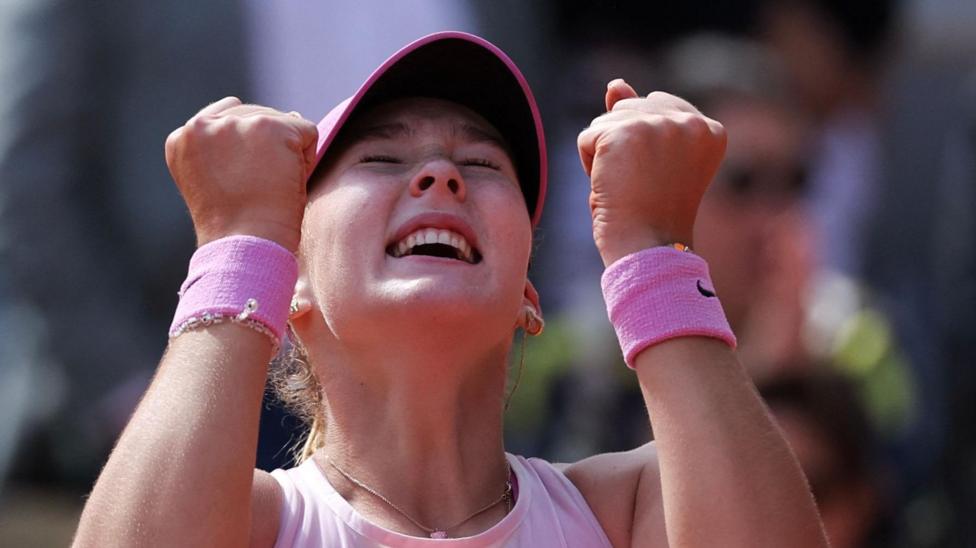
Shattered Myths: Why This French Open Became an Instant Classic
Shocks, fairytales, and heart-stopping drama turned Roland Garros into an unforgettable classic.
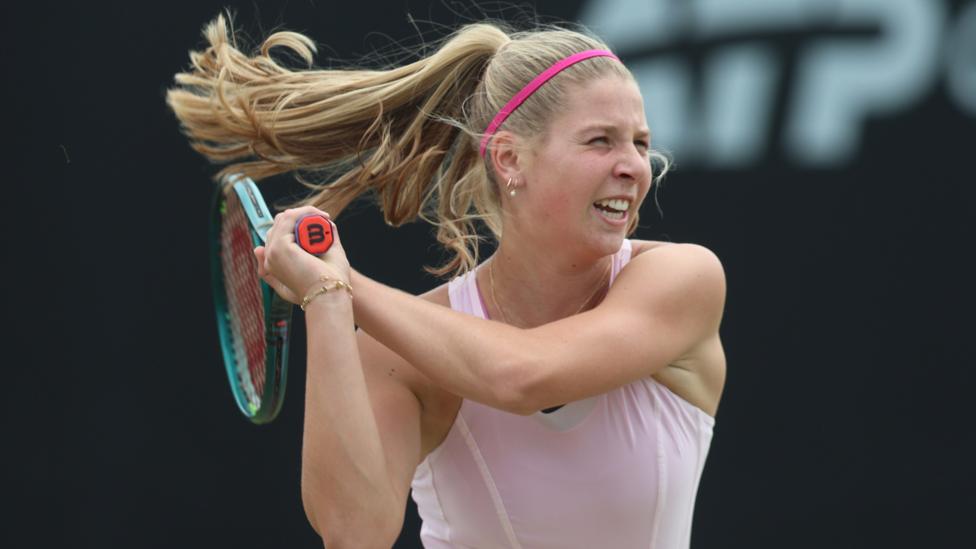
Hannah Klugman's Nottingham Exit Masks a Brighter Reality
A second-round exit in Nottingham undersells the transformation Hannah Klugman felt after sharing courts with the world's elite.

The Hewitt Name Carries Weight, and Cruz Felt Every Ounce
A two-hour final on No. 1 Court ended in heartbreak for Cruz Hewitt, but theweight of a famous name may yet forge something stronger.