The Fearlessness of Youth: Jodar's Five-Set Statement at Wimbledon
Rafael Jodar, 19, erased a two-sets-to-one deficit to stun Carrenño Busta in a match that refused to end on day one.
When Darkness Became a Door
There is a particular cruelty in the overnight interruption at a Grand Slam. The light fades, the umpire calls time, and a player trailing walks off the grass knowing the scoreline will still be there in the morning, waiting. The margin between collapse and revival is often nothing more than a few hours of sleep and the weight of what you choose to believe about yourself.
Rafael Jodar arrived at the All England Club this fortnight with nothing but a wild card and a reputation forged in the Parisian clay barely a month ago. He is nineteen years old. This is his first Wimbledon. And yet on Wednesday morning, when he stepped back onto Court 14 with the scoreboard reading against him two sets to one, he carried himself like a man who had been here before. Not just here at SW19. Here, in this exact position. Trailing. Pressured. Unbothered.
He won 3-6, 6-3, 1-6, 6-3, 6-4. The numbers alone tell the story of a match that tilted back and forth with almost manic volatility. The numbers alone, however, do not tell you why this result matters.
The Shape of a Match Lost and Found
Carreno Busta is no stranger to deep runs and bruising encounters. The 34-year-old Spaniard, a former world No. 10, knows how to close. He took the opening set 6-3 with the kind of controlled, percentage tennis that punishes overambitious youngsters. Jodar responded by finding rhythm in the second, levelling at a set apiece with a 6-3 answer of his own.
Then came the third set, and it was a demolition. Carreno Busta dismantled Jodar 6-1, a scoreline so lopsided it threatened to make the match feel academic. The teenager had been broken multiple times. His first serve percentage dipped. His forehand, usually the weapon that carried him to the quarter-finals at Roland Garros just weeks earlier, went quiet.
Darkness intervened before the fourth set could begin. And so Jodar walked off, down two sets to one, into a night that could have been filled with doubt.
What Came Back on Wednesday Morning
The answer was a different player. Or rather, the same player with a clearer mind. Jodar broke early in the fourth set, held his nerve through deuce games that tested his composure, and levelled the match at 6-3. The fifth was a war of attrition, both men trading blows on the baseline, but Jodar found the decisive break and served it out to clinch the set 6-4 and the match.
"I knew I had to get my body ready for the next day, because obviously I was down. But I believed in my chances."
That is a simple statement. But simplicity, in the context of a teenager playing only his second Grand Slam main draw on unfamiliar grass, is its own form of defiance.
The Roland Garros Echo
To understand why Jodar's composure should not surprise anyone, rewind to late May. At Roland Garros, the young Spaniard carved through the draw to reach the quarter-finals, beating established names along the way and pushing top seeds into uncomfortable territory. His run was not a fluke built on a kind draw. It was a systematic demonstration of tactical maturity, physical endurance, and a serve that consistently clocked above 200 km/h.
The clay-to-grass transition has historically been one of the most treacherous in tennis. The footing changes. The bounce drops. The time between ball and decision shrinks. For a baseliner who grew up on dirt, Wimbledon can feel like learning a new language in a room full of native speakers. Jodar, by all accounts, has been a fast study.
His movement on Wednesday, particularly in the fourth and fifth sets, showed an understanding of the low, skidding bounce that many seasoned grass-court players never fully master. He stayed low. He shortened his backhand swing. He approached the net with purpose rather than desperation. These are not instinctive adjustments for a nineteen-year-old clay specialist. They are evidence of coaching, preparation, and a player willing to adapt in real time.
The Spanish Pipeline Continues
There is a pattern here, and it extends beyond one teenager. Spanish tennis has always produced generational talents in clusters. The generation that followed Rafael Nadal, however, has been notably sparse at the very top. Carlos Alcaraz rewrote that narrative. Now Jodar, alongside a handful of other young Spaniards climbing the rankings, suggests the well is deeper than anyone anticipated.
What separates Jodar from a typical promising teenager is his psychological architecture. The overnight break at Wimbledon is a test disguised as a scheduling inconvenience. Players who trail in held-over matches historically perform poorly when play resumes. The deficit lingers. The opponent carries momentum. The crowd, when play resumes mid-afternoon, has often moved on to other courts and other stories.
Jodar ignored all of it. He treated Wednesday morning as a fresh match. He played the fourth set like a man who had won the third, not lost it 6-1.
The Draw Opens Ahead
A third-round berth at Wimbledon, at nineteen, in only your second major appearance, is not merely a result. It is a declaration of intent. The draw ahead will stiffen. The opponents will carry bigger names, deeper grass-court pedigrees, and the accumulated weight of Tour experience.
But Jodar has already answered the most important question a young player can answer at a Grand Slam: can you survive a crisis? Can you walk off a court trailing, sleep on it, and come back sharper? He has. Convincingly.
Meanwhile, the Seeds March On
Elsewhere in the men's draw, second-round action brought no such drama for the top contenders. Alexander Zverev, the second seed, dispatched his opponent in straight sets to progress comfortably, his serve clicking and his movement on grass looking increasingly assured. Alex de Minaur, the Australian whose speed and court coverage make him a perennial grass-court threat, also advanced without dropping a set.
Their efficient progress stands in contrast to the chaos of Jodar's five-set epic, but that contrast only sharpens the teenager's story. Zverev and de Minaur are where they are expected to be. Jodar is where nobody predicted he would be, not at this stage of the tournament, not at this stage of his career.
The Question That Lingers
Every Grand Slam produces a narrative darling, a player whose run captures imaginations beyond the draw sheet. At Wimbledon, those stories carry extra weight because the grass is unforgiving, the schedule is compressed, and the margins between a second-round exit and a second-week run are gossamer thin.
Rafael Jodar has earned the right to be that story. He has a Roland Garros quarter-final behind him. He has a five-set comeback on grass in his first Wimbledon. He has a serve, a forehand, and a composure that belie his age.
The third round awaits. The opponents will get harder. The spotlight will grow brighter. But the nineteen-year-old who walked off Court 14 on Tuesday night trailing and walked back onto it Wednesday morning certain of victory has already proven the most important thing about himself: he does not flinch.
In a sport that devours the unprepared, that might be the most valuable skill of all.
Editorial Integrity
This is an original SportPulse article written by our editorial team. All content is independently researched, written, and reviewed by our writers and editors before publication. We do not publish copied, aggregated, or syndicated content.
SportPulse is committed to original sports journalism. Read our editorial policy or contact us with any questions.
More Like This
All tennis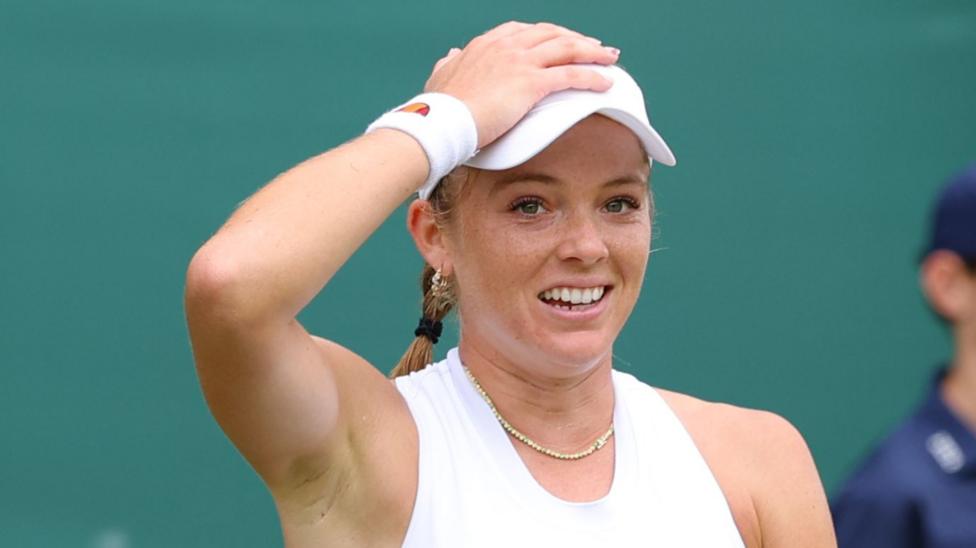
Katie Swan's Long Road Back: From the Edge of Quitting to Wimbledon's Grass
Katie Swan nearly walked away from tennis forever. Now she's back on the lawns where it all began.
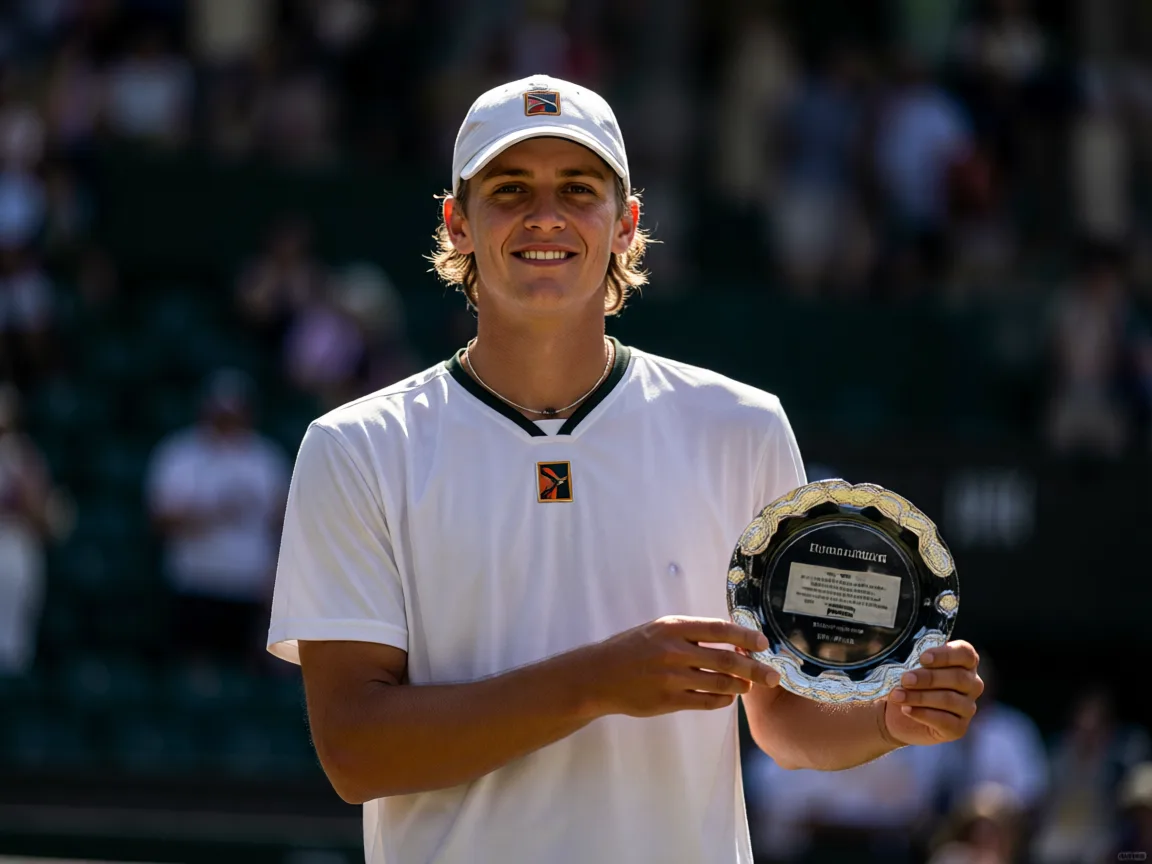
The Hewitt Name Carries Weight, and Cruz Felt Every Ounce
A two-hour final on No. 1 Court ended in heartbreak for Cruz Hewitt, but theweight of a famous name may yet forge something stronger.

Humbert Halts Draper's Eastbourne Surge as Wimbledon Beckons
Ugo Humbert spoils Jack Draper's feel-good homecoming at Eastbourne, denying the Briton a final berth in his comeback tournament.