Rangers and Celtic Charged Over Ibrox Cup Unrest as Independent Review Lashes Planning Failures
Both Glasgow giants face disciplinary action after a Scottish Cup tie descends into disorder that an independent review blames on woeful planning and ultras conduct.
SFA Charges Rangers and Celtic Over Cup Tie Disorder
Rangers and Celtic face disciplinary charges from the Scottish Football Association after the unrest that followed their Scottish Cup meeting at Ibrox in March. The charges relate to the disorder after the tie, not the match itself. The SFA will examine whether Rangers, as host club, breached stadium safety protocols, and whether Celtic's travelling support crossed lines the association considers actionable.
An independent review, commissioned after the trouble, found organisers failed to anticipate the scale of risk a knockout derby generates. The findings describe inadequacies in planning, staffing, and policing that go beyond isolated operational hiccups. The review identifies what it calls a near miss, behaviour from organised fan factions that escalated tensions and created a situation the report suggests could have deteriorated far more seriously.
A Corridor and a Track Record
Ibrox has hosted Old Firm fixtures for decades. Police Scotland, Rangers security staff, and the local authority know the stadium's geography. That the review still found planning inadequate raises questions about complacency. The corridor around the stadium, the turnstile entry process, and the segregation protocols between home and away supporters all fall within what a host club is expected to manage in cooperation with police.
For Rangers, the charge sheet matters beyond this single fixture. The club has invested heavily in stadium infrastructure and matchday operations. A finding that planning was inadequate for a match the club hosted strikes at the credibility of that investment. Celtic's exposure is different: the conduct of their travelling support, and the extent to which the club can be held accountable for the behaviour of a faction within it, is a question the SFA's disciplinary tribunal will now resolve.
Organised Fan Groups and the Threshold of Tolerance
The review's criticism of ultras groups reflects a broader tension in Scottish football between the atmosphere organised fan groups generate and the operational risk they introduce when that atmosphere curdles into confrontation. Pyrotechnics, pitch encroachments, and confrontations with stadium staff have all featured in recent seasons across the Scottish game. The findings will be cited in future disciplinary contexts, not just for these two clubs but for any Scottish side whose ultras section pushes past the boundary of what authorities tolerate.
The near miss the review references is the detail that should concentrate minds at both clubs and at the SFA. Disorder that results in injuries or worse was not the outcome this time. The review suggests it was closer than anyone should accept.
Sanctions and a Hearing
The charges put both clubs in immediate jeopardy of sanctions ranging from fines to stricter operational mandates for future fixtures. Rangers face the prospect of overhauling matchday planning for Old Firm ties at Ibrox, a logistical and reputational consequence. For Celtic, the charge relating to their away support adds to a pattern the club has struggled to police despite repeated public appeals.
The SFA will convene a disciplinary hearing where both clubs can respond. The independent review's findings will carry weight in that process. The review's verdict on planning failures ensures the conversation has moved beyond fan behaviour alone and onto the people paid to prevent this kind of failure.
Editorial Integrity
This is an original SportPulse article written by our editorial team. All content is independently researched, written, and reviewed by our writers and editors before publication. We do not publish copied, aggregated, or syndicated content.
SportPulse is committed to original sports journalism. Read our editorial policy or contact us with any questions.
More Like This
All football
France Survive Paraguay Scare to Reach Quarter-Finals
France ground past a spiky Paraguay side to reach the quarter-finals, but their performance raised more questions than answers about the tournament favourites.

The World Cup Final Was a Global Cosplay, and That's Fine
The most consequential fixture in international sport has become a grand carnival of temporary identities, and that's a beautiful thing.
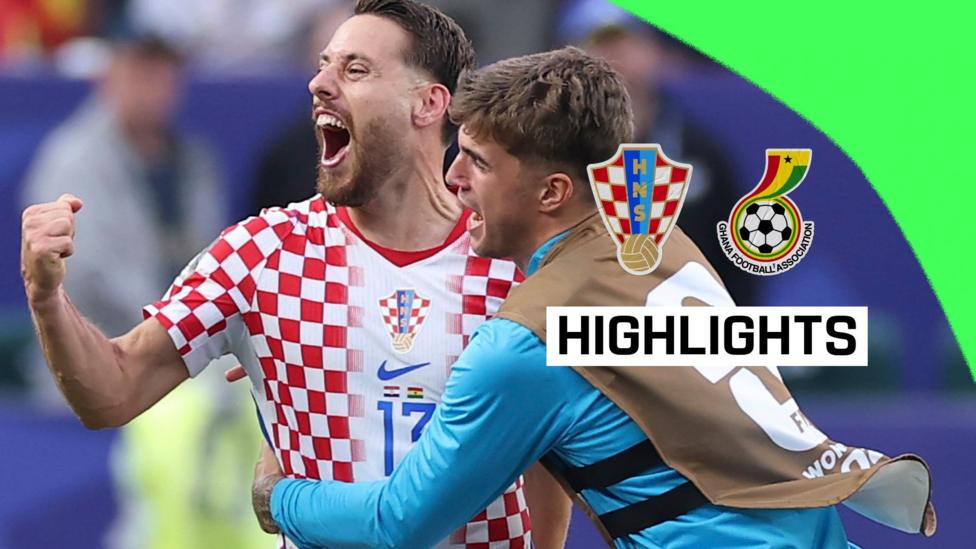
Croatia's Tactical Poise Breaks Ghana in World Cup Crucible
Nikola Vlasic's late header underscores Croatia's calculated tactical adjustment to secure knockout progression.