Roehampton: Where Wimbledon Dreams Begin and Butterflies Wander
At the Wimbledon qualifying venue in Roehampton, raw ambition meets unexpected beauty on the sport's most humbling stage.
A Butterfly on Break Point
The ball is a yellow blur. It skids off the service line, kicks up a puff of Roehampton dust, and disappears into the back curtain. A hand goes up. Challenge. The umpire climbs down. Twenty people sitting on portable chairs hold their breath.
And then, impossibly, a butterfly drifts across Court 5.
It shouldn't be here. The Community Sport Centre in Roehampton, southwest London, is not a meadow. It's a patchwork of temporary bleachers, green canvas tents, branded hoardings, and hard courts that shimmer in the kind of heat that makes the English wilt and the visiting Australians smile. The air smells of sunscreen and espresso. The soundtrack is the evocative plock of ball on racket, the squeak of shoes on composite surface, and the murmured commentary of coaches who know exactly how thin the margins are at this level.
But the butterfly doesn't care about margins. It drifts, aimless and gorgeous, through the tension of a qualifying match that means everything to the two players on court and almost nothing to the outside world.
This is Wimbledon qualifying. And it might be the most beautiful, brutal place in professional tennis.
The Forgotten Tournament Before the Tournament
Every June, while the All England Club's groundskeepers put the finishing touches on the pristine lawns of Church Road, a parallel drama unfolds three miles to the east at Roehampton. The Wimbledon Qualifying event is the sport's most consequential audition. 128 men and 128 women arrive with a single objective: win three matches and earn a place in the main draw of the most prestigious Grand Slam on earth.
Most of them will fail.
The qualifying draw is tennis at its most democratic and its most Darwinian. It mixes ranked professionals hovering around the world No. 100 to No. 300 range with unheralded teenagers carrying wildcard entries, seasoned veterans making one last run, and journeymen who have spent the season grinding through Challenger events in places like Zagreb, Tallahassee, and Shenzhen. They share the same courts, the same modest facilities, the same brutal arithmetic: you lose, you go home.
There are no Centre Court ceremonies here. No Royal Box. No strawberries and cream. The fans who come to Roehampton are the devoted kind, the ones who know that watching a qualifier fight through three rounds in two days tells you more about the human condition than any polished second-week showcase.
"People think Wimbledon starts on the Monday. For us, it starts a week earlier, and it's the hardest week of the year. You're playing for your livelihood, for your ranking, for everything. And the courts play completely different from what you're used to." — A former Wimbledon qualifier
The Grind Behind the Glory
Consider what qualifying actually demands. A player must win three best-of-three-set matches over five days, often with limited recovery time if matches go deep. They must adapt to grass-court tennis, which for many is a foreign language spoken for only four to five weeks per year. The surface rewards a specific skill set: low centre of gravity, crisp volleys, the ability to serve-and-return on a surface where the ball stays dangerously low.
For players ranked outside the top 100, the financial calculus is stark. Prize money for first-round qualifying losers at Wimbledon has risen in recent years, but it still barely covers the cost of travel, accommodation, and coaching for the week. A player who loses in the first round of qualifying earns roughly £15,000, while a main-draw first-round exit pays significantly more. The gap between those two outcomes is three wins and a world of difference.
The qualifying venue itself amplifies this sense of stakes stripped bare. Roehampton is functional, not glamorous. The practice courts are accessible. The players walk among the spectators. You can stand five metres from a future Grand Slam champion warming up and nobody will move you along. It is tennis without the velvet rope, and that intimacy is precisely what makes it electric.
The Roehampton Stories
The history of Wimbledon qualifying is studded with stories that read like screenplays. Emma Raducanu's extraordinary run to the 2021 US Open title as a qualifier rewrote the script for what was possible from the qualifying draw, even if that particular fairytale unfolded in New York rather than London. But Roehampton has produced its own legends.
Players like Marcus Willis, who qualified in 2016 ranked world No. 772 and proceeded to beat Ricardas Berankis in the first round before falling to Roger Federer on Centre Court, have shown that the qualifying draw is not just a gateway but a launchpad. Willis's journey from Roehampton to the grass of Centre Court remains one of the most cherished underdog tales in modern Wimbledon lore.
Then there are the players who pass through Roehampton year after year, building their games on the qualifying rounds like a craftsman hones a blade. The qualifying regulars are the unsung backbone of professional tennis. They keep the sport honest. They remind the stars that every ranking point was earned, not gifted.
The Atmosphere Nobody Talks About
What strikes you at Roehampton, what the mainstream cameras rarely capture, is the atmosphere. It is quieter than the All England Club, yes, but it is not lesser. It is concentrated. Every point resonates because every point matters. The crowd is close enough to hear the players' breathing, their muttered frustrations, their small celebrations after a clean winner.
The sweltering heat of a London summer adds its own theatre. Temperatures on the exposed courts regularly push past 30 degrees Celsius, and the players, many of whom lack the extensive support teams of the top seeds, manage their own hydration, their own cooling strategies, their own mental recalibrations between sets.
And yes, sometimes a butterfly wanders through.
It is the kind of detail that seems trivial until you realise it is everything. The butterfly on Court 5, drifting past during a break point, is a reminder that sport exists within a larger world. That beneath the rankings and the prize money and the desperate ambition, there is something irreducibly human about what happens at Roehampton. Two people, a net, a ball, and the hope that this week, this match, this point might change the trajectory of a career.
Career by Numbers: Wimbledon Qualifying
- 128 players enter each qualifying draw (men's and women's)
- 3 matches required to qualify for the main draw
- 16 spots available in each main draw (men's and women's)
- Approximate prize money for first-round qualifying exit: £15,000
- Approximate prize money for a main draw first-round exit: £60,000+
- 3 miles separate Roehampton from the All England Club
- Qualifying has been held at Roehampton since 2014
What Roehampton Tells Us About Tennis
The professional tennis calendar is a hierarchy of venues, from the gleaming show courts of the Grand Slams to the municipal hard courts of the lower-tier Challenger circuit. Roehampton sits in a unique space between. It has the organisational infrastructure of a Grand Slam event but the raw, unfiltered energy of a grassroots tournament. It is, in many ways, the spiritual home of the aspiring professional.
In an era when tennis governance debates prize money distribution, schedule reform, and the gap between the haves and the have-nots, Roehampton is a living case study. It shows what the sport looks like when the spotlight is dim but the competition is fierce. It is a reminder that for every Carlos Alcaraz lifting a trophy on Centre Court, there are hundreds of players who spent that same week fighting for survival at the qualifying venue.
The butterflies, of course, don't know any of this. They simply appear, drawn by the heat and the green canvas and the strange human ritual of hitting a ball back and forth. They drift across the courts, indifferent to the drama, beautiful in their irrelevance.
But that's the thing about Roehampton. In a sport that increasingly rewards the polished and the packaged, it remains stubbornly, gloriously real. The sweat is visible. The stress is audible. The stakes are existential.
And sometimes, on break point, a butterfly crosses the court and everyone, for just a moment, looks up.
Looking Ahead
As Wimbledon's main draw approaches, the qualifying event continues to be the sport's most overlooked proving ground. With the 2025 Championships set to deliver another fortnight of elite grass-court tennis, the players emerging from Roehampton this week carry with them a different kind of preparation. They've already fought. They've already adapted. They've already won three matches that nobody was watching.
History suggests that at least one of them will make a deep run. A qualifier has reached the second week at Wimbledon multiple times in the modern era, and every time it happens, the narrative traces back to the anonymous courts of Roehampton, to the heat and the dust and the quiet desperation of qualifying tennis.
The butterflies will be back next year. So will the players.
That's what makes it a winner.
Editorial Integrity
This is an original SportPulse article written by our editorial team. All content is independently researched, written, and reviewed by our writers and editors before publication. We do not publish copied, aggregated, or syndicated content.
SportPulse is committed to original sports journalism. Read our editorial policy or contact us with any questions.
More Like This
All tennis
The Geometry of Brilliance: Wimbledon Day Two and the Art of the Shot
Wimbledon's second day reminded us why grass-court tennis remains the sport's purest canvas for extraordinary skill.
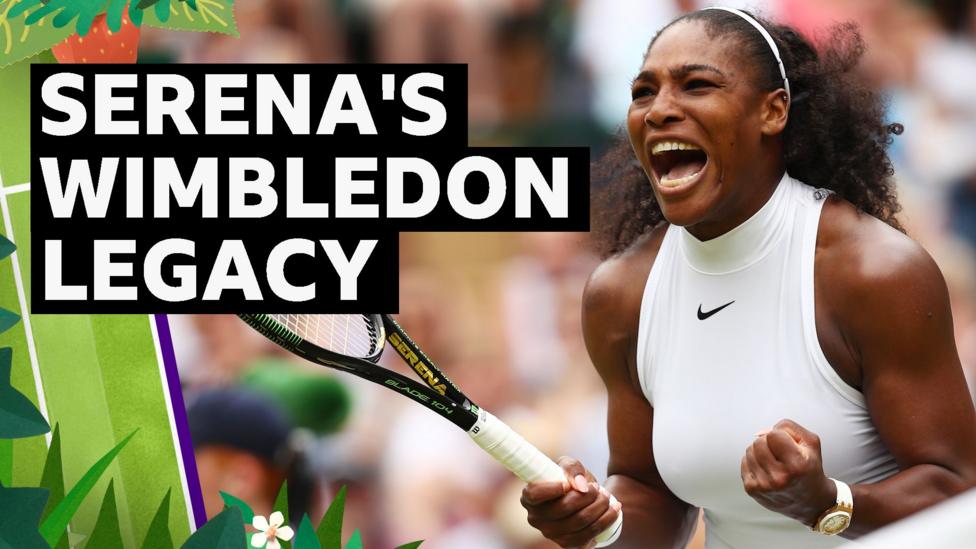
Queen of the Grass: The Definitive Look at Serena Williams' Wimbledon Reign
Seven titles, countless moments of ferocious brilliance — Serena Williams didn't just win Wimbledon, she redefined it.
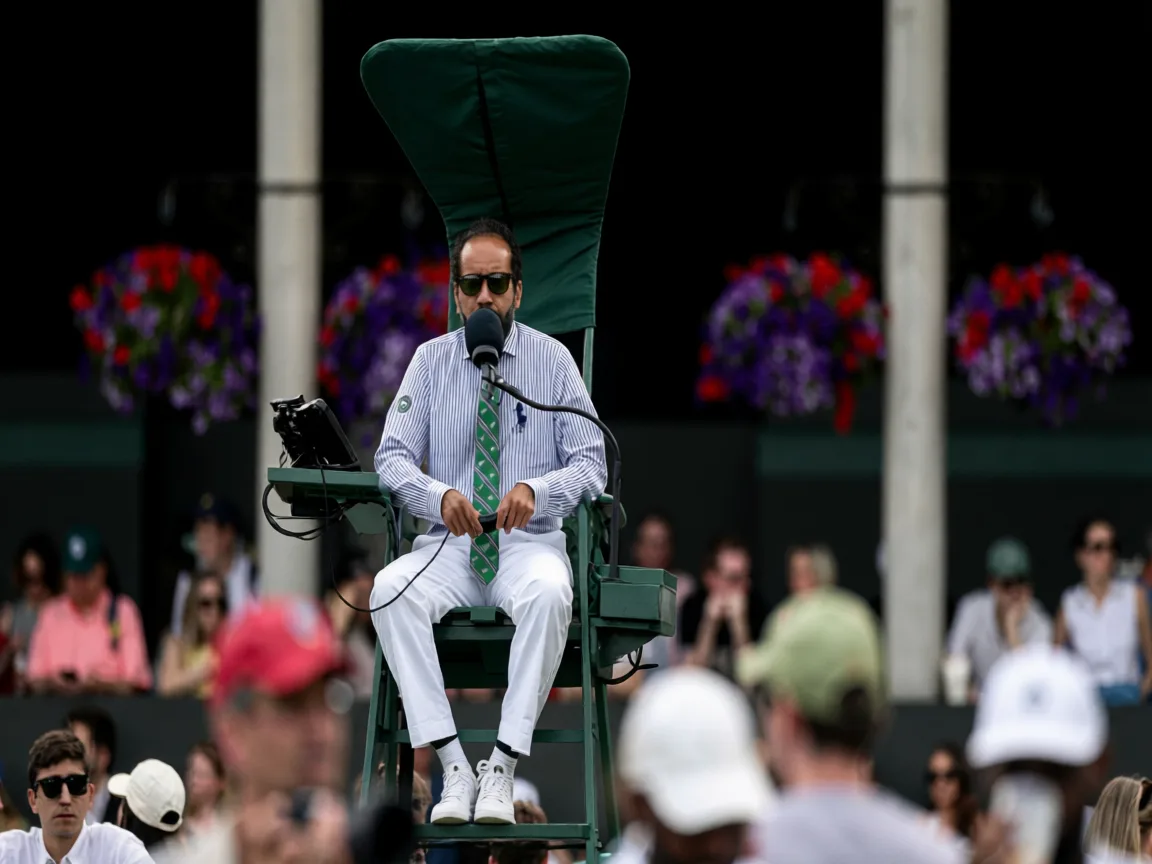
The Unsung Orchestrators: Life in the Wimbledon Umpire's Chair
Wimbledon's umpires endure pressure, weather, and biological reality. A deep dive into the hidden craft behind tennis's most prestigious officiating assignment.