Ronaldo's Razor: How a System Tweak Silenced the Doubters in Style
A tactical reshuffle and two ruthless finishes from Cristiano Ronaldo reignited Portugal's World Cup campaign after a bruising week.
The Tactical Reset Portugal Desperately Needed
The first 90 minutes of Portugal's World Cup campaign told a familiar, frustrating story. A 4-3-3 that promised fluidity against the Democratic Republic of the Congo instead produced stagnation, lateral recycling, and a glaring inability to penetrate a compact low block. The draw felt heavier than a single dropped point. It exposed a structural problem that had been simmering for months: a system built around verticality and width was not serving its most decorated forward, and a 41-year-old Cristiano Ronaldo looked increasingly stranded between the lines of a team that no longer knew how to play to his strengths.
What happened five days later against Uzbekistan was not merely a response. It was a tactical recalibration, and the 5-0 scoreline only begins to tell the story.
From Flat to Ferocious: The Shape Shift
Portugal's coaching staff clearly identified that the rigidity of the previous 4-3-3 was compressing Ronaldo into zones where his diminishing mobility became a liability rather than an asset. Against Uzbekistan, the structure shifted to what functioned as a 4-2-3-1 in possession phases, with the key adjustment occurring in the half-spaces rather than on the flanks.
The attacking midfielder dropped deeper to link play, effectively creating a staggered chain of passing options between the midfield pivot and Ronaldo. This was not a wholesale revolution but a subtle repositioning: Ronaldo was no longer asked to drift wide or press from the front. Instead, he occupied a narrower, more central role, operating as a penalty-box predator who waited on the shoulder of the last defender while the creative burden shifted to the players around him.
The difference was immediate. Portugal moved the ball forward with purpose rather than circling it aimlessly. The fullbacks pushed higher, the wingers inverted, and suddenly the channels that had been sealed against DR Congo were open. Ronaldo, lurking in those pockets of space between centre-backs, looked a decade younger. Not because his legs had returned, but because the system stopped asking him to use them in ways he no longer can.
The Numbers Behind the Resurgence
Consider the drought that preceded this match: 10 major tournament games without a goal for Ronaldo. That is not a blip. That is a pattern that had forced uncomfortable conversations inside the Portuguese camp and across the country's media landscape. The criticism was not reserved for Ronaldo alone, but he bore the heaviest share of it, as he always has.
His two goals against Uzbekistan were not accidents of volume. They were the products of intelligent positioning, clinical finishing, and a system that finally placed him where those attributes still matter. The brace also etched his name into history as the first player ever to score in six FIFA World Cups, a record that may never be matched given the sheer longevity required.
- 2 goals in a single match after 10 tournament games without one
- First player to score in six separate World Cup tournaments
- Portugal scored 5 goals after managing zero against DR Congo
- Ronaldo's 41 years make him the oldest scorer in World Cup history
"It felt like I'd already retired from football. This was a difficult, dark week. I'm back. I'm back."
Those words, shouted into a television camera moments after the final whistle, carried the weight of a man who understood exactly what the silence of the previous 10 games meant. This was not a player going through the motions. This was a player who had been confronted with his own decline, processed it publicly under the harshest spotlight imaginable, and responded in the only language he has ever trusted: goals.
Tactical Shift: The Half-Space Experiment
The decisive moment of this match, tactically speaking, came not from a goal but from a positional instruction. Portugal's second goal, the one that effectively killed the contest at 3-0, originated from a move that was architecturally impossible under the previous system.
The sequence began with the defensive midfielder carrying the ball forward under minimal pressure, drawing Uzbekistan's midfield line into a narrow shape. The right winger, now operating as an inverted forward rather than hugging the touchline, played a disguised pass into the left half-space. Ronaldo, who had peeled off his marker by drifting centrally rather than toward the corner flag, met the ball with a first-time finish.
This pattern was rehearsed. It was the product of a coaching staff that identified a flaw in the previous structure, diagnosed it correctly, and implemented a fix that respected Ronaldo's remaining attributes while compensating for his diminished ones. The 4-2-3-1 in possession was not a concession to nostalgia. It was an intelligent adaptation.
What the Criticism Got Right and Wrong
The backlash after the DR Congo draw was not unfair. Portugal looked toothless, disorganized, and tactically naive. The questions about Ronaldo's place in the team were legitimate, and any honest assessment of his 10-game barren run had to reckon with the possibility that father time had finally caught up.
But the criticism often missed the nuance. Ronaldo at 41 is not the same player who terrorised defences at 28 or even 35. He cannot press from the front, he cannot run the channels for 90 minutes, and he cannot single-handedly drag a misfiring attack into coherence. What he can still do, and what this match proved, is finish when the service is right and the positioning is intelligent. The question was never whether Ronaldo had lost his scoring instinct. It was whether Portugal could build a system that still unlocked it.
Against Uzbekistan, they answered that question emphatically. The 5-0 dismantling was comprehensive not because of individual brilliance alone, but because the collective framework finally aligned with its most important piece.
The Bigger Picture for Group K
This result does not eliminate the concerns raised by the DR Congo draw. A single match against a lower-ranked opponent, however dominant, does not constitute a permanent tactical solution. Portugal will face sterner tests as the tournament progresses, and the narrow 4-2-3-1 that sufficed against Uzbekistan's passive defensive shape may not hold against opponents who press aggressively in midfield.
But the psychological shift matters. Ronaldo's public declaration of return, the eruption of a squad that had been visibly tense, and the restored confidence of a coaching staff that had been questioned all carry tangible value heading into the decisive group-stage fixture.
Looking Ahead: Can the System Survive a Real Test?
Portugal's next match will reveal whether this tactical reboot is a genuine solution or a one-off comfort blanket against inferior opposition. The critical question is whether the half-space rotations that unlocked Uzbekistan can function under defensive pressure from teams that will not sit in a passive mid-block.
Ronaldo's role will remain the most scrutinized element. At 41, every touch, every sprint, every movement without the ball is examined through the lens of decline. What this match demonstrated is that decline is contextual. Place a player in a system that masks his weaknesses and amplifies his strengths, and the gap between past and present narrows. Remove that system, and it widens again.
The coaching staff deserve credit for the mid-tournament adjustment. Whether they can sustain it against elite opposition remains the defining question of Portugal's World Cup. For now, Ronaldo has answered his critics the only way he knows how. The rest of the tournament will determine whether the answer holds.
Update:
新条目补充了C罗成为首位在六届世界杯进球的球员这一具体纪录
Editorial Integrity
This is an original SportPulse article written by our editorial team. All content is independently researched, written, and reviewed by our writers and editors before publication. We do not publish copied, aggregated, or syndicated content.
SportPulse is committed to original sports journalism. Read our editorial policy or contact us with any questions.
More Like This
All football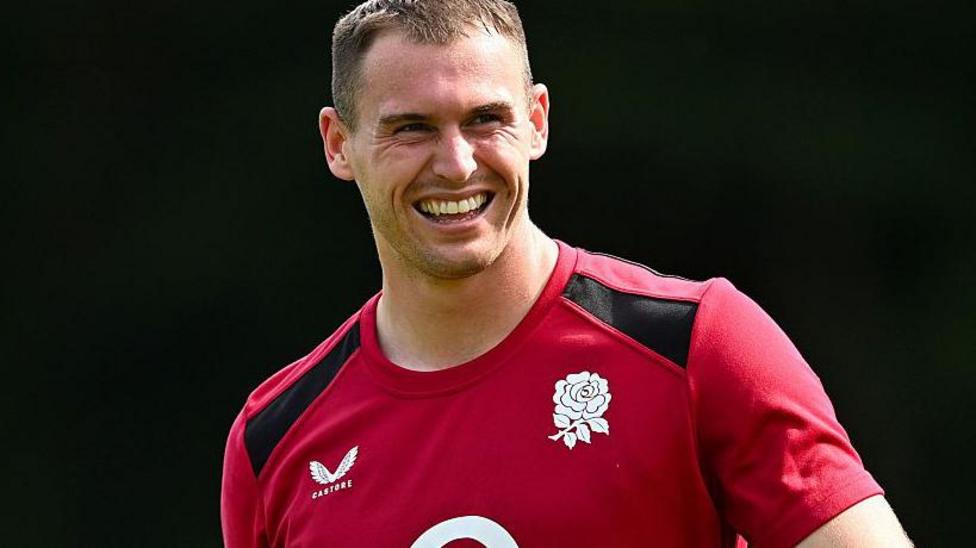
Roebuck In, Furbank Out: England's Back-three Crisis
Tom Roebuck's England call-up exposes a back-three injury crisis that reshapes Steve Borthwick's tactical options ahead of the Six Nations.
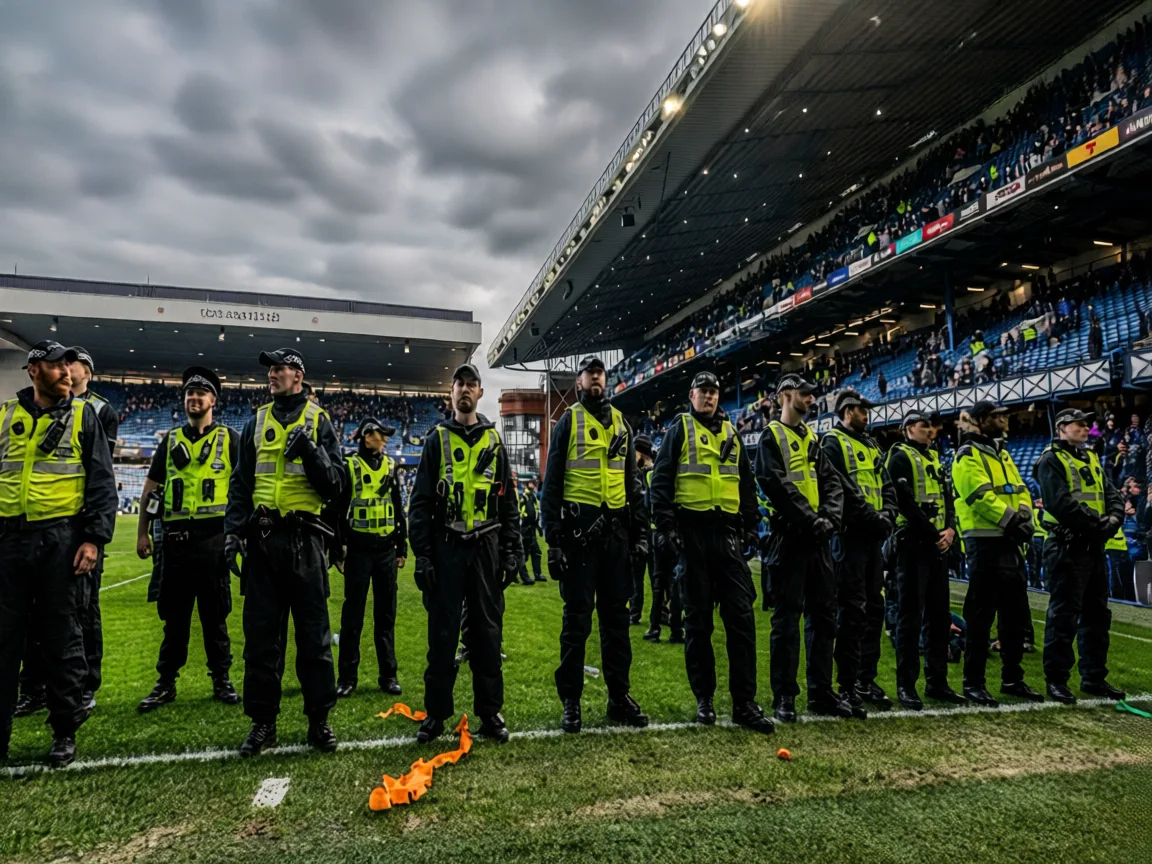
Rangers and Celtic Charged Over Ibrox Cup Unrest as Independent Review Lashes Planning Failures
Both Glasgow giants face disciplinary action after a Scottish Cup tie descends into disorder that an independent review blames on woeful planning and ultras conduct.
Garcia Defiant as Belgium's Tactical Revival Silences Decay Narrative
Rudi Garcia's Belgium dismantled New Zealand 5-1, using a crucial tactical shift to silence the 'has beens' narrative ahead of a pivotal Senegal clash.