Russia's Provisional IOC Reinstatement: Geopolitics Over Morality
The IOC Provisionally Lifts Russia's Suspension Ahead of LA 2028, Rewriting Post-Invasion Rules and Raising Tensions Across Global Federations.
The Bureaucratic Forgiveness
The International Olympic Committee's decision to provisionally lift the suspension of the Russian Olympic Committee (ROC) is not merely a procedural update. It is a profound recalibration of the sporting world's most delicate geopolitical instrument. After years of attempting to untangle the Russian sports apparatus from state machinery following the 2016 and 2018 doping scandals, the IOC has now pivoted sharply. The provisional reinstatement paves the way for Russian athletes to compete under their national flag at the 2028 Olympic Games in Los Angeles.
This reversal demands a deep dive. The original suspension, enacted in October 2023, was not a standard response to systemic doping. It was a targeted political sanction. The IOC suspended the ROC after Russian authorities attempted to annex regional sports organizations in eastern Ukraine, integrating them directly into the ROC's administrative structure. This violated the Olympic Charter's territorial integrity clause. Yet, barely a year later, the bureaucratic gears have shifted. The IOC's provisional lifting of this suspension rewrites the post-invasion rulebook.
Analyzing the IOC's Calculus
The tactical framework of the IOC operates on two parallel tracks: athletic inclusion and institutional control. By provisionally lifting the suspension, the IOC is making a calculated gamble that re-engagement offers more leverage than isolation. The leading continental sporting bodies, particularly the European Olympic Committees, have been fractured on how to handle Russian participation. The Paris 2024 Games saw Russian and Belarusian athletes compete as Individual Neutral Athletes (AINs) under a strict set of eligibility criteria. They were barred from team sports, their national flags and anthems were banned, and any public affiliation with the military or security services resulted in automatic disqualification.
The transition from the AIN framework in Paris to a potential full reinstatement for LA 2028 represents a significant ideological shift. The IOC maintains that the provisional lift comes with strict conditions regarding the territorial integrity of member committees. However, the practical enforcement of these conditions remains largely opaque. The underlying assumption within the Lausanne headquarters is that the threat of re-suspension is a sufficient deterrent. It is a classic institutional gamble: trading moral absolutism for administrative compliance.
This move effectively concludes the era of stringent athletic neutrality. The AIN category, heavily scrutinized during Paris, was always a temporary patch over a structural fracture. It allowed the IOC to claim it was preserving athletic human rights—one of its core philosophical pillars—while technically punishing the state apparatus. Restoring the ROC's provisional recognition transfers the burden of compliance back to the national committee, theoretically absolving the central IOC body of policing individual athletes.
The Federations Are Caught in the Middle
- Football: UEFA and FIFA remain primary battlegrounds. European football's governing body has maintained bans on Russian clubs and national teams from continental competitions like the Champions League and Europa League.
- Valuable Points: The reinstatement of the ROC creates friction at the confederation level. Russian absence has materially altered qualification dynamics for UEFA Euro 2024 and the upcoming 2026 World Cup qualifying cycles.
- Operational Chaos: Some federations may now face contradictory mandates from the global governing body and their continental peers. Reintegrating Russian football into the European pyramid requires more than an IOC decree.
Tactical Shift: From Neutrality to Normalization
The pivot from exclusion to provisional inclusion mirrors a classic coaching adjustment: mid-match, when a rigid high-press system is abandoned for a flexible mid-block containment strategy. The IOC's initial suspension was a high-press response to territorial aggression. By integrating annexed sporting bodies into the ROC, Russia triggered the IOC's trap. The result was an immediate severing of ties and a maximalist public posture.
However, the provisional lift indicates a shift to a containment strategy. The IOC recognizes that total isolation breeds rogue federations and parallel sporting events, such as the Friendship Games. By offering provisional reinstatement, the IOC pulls the ROC back into its sphere of influence. Enforcing compliance becomes a matter of internal governance rather than external policing.
This tactical shift has profound implications for how global sports are governed. The Olympic Charter, long treated as a quasi-legal document, is being interpreted with increasing elasticity. The 2023 suspension was based on a strict reading of territorial integrity. The 2024 provisional lift relies on assurances and administrative flexibility. The precedent set here weakens the deterrent effect of suspensions. The IOC's administrative pivot suggests that sporting sovereignty can be violated, negotiated, and ultimately forgiven within a twelve-month cycle.
"We must navigate the tension between athletic inclusion and political accountability with structural consistency, not just opportunistic adjustments."
The Aftermath and Next Fixture Dynamics
The immediate fallout will occur at the continental level. UEFA faces a massive test. European football opted to exclude Russian national teams and clubs from all competitions following the 2022 invasion. This exclusion deprived European competitions of certain commercial markets but fundamentally maintained competitive integrity and political solidarity.
With the IOC provisionally lifting the ROC's suspension, the pressure on UEFA to follow suit will escalate. The political resistance to Russian teams re-entering the European football ecosystem remains immense. Federations from Poland, Sweden, and Ukraine have been vocal about their refusal to compete against Russian representatives. We are approaching an institutional standoff. The IOC may have opened the door for LA 2028, but European football's tactical structure remains locked in a rigid defensive formation.
The IOC's decision also places the World Anti-Doping Agency (WADA) in an awkward position. The ROC violated the Olympic Charter regarding territorial integrity, but the broader specter of state-sponsored doping has not entirely dissipated. Reintegrating the ROC requires renewed vigilance from anti-doping authorities. The infrastructure for testing and compliance must be rebuilt from the ground up, a process that historically takes years to stabilize.
Prospect LA 2028 and Beyond
The road to the 2028 Olympic Games in Los Angeles will be defined by this provisional reinstatement. The IOC's decision is not a full acquittal but a conditional parole. The Russian sporting apparatus has been granted an avenue back to the global stage, provided they adhere to the terms of their reintegration. The critical concern is whether this provisional status will be formalized, or whether escalating geopolitical frictions will trigger another reversal from Lausanne.
The next key fixture in this institutional saga is the 2026 Winter Olympics in Milan-Cortina. The Italian peninsula's proximity to Eastern European geopolitical tensions will test the durability of this provisional agreement. The IOC has essentially decided that functional engagement is preferable to structural exile. The enduring question is how long an institution can maintain an exclusion stance. The Olympic Charter is now operating with unprecedented elasticity. Whether subsequent federations will align with this newly defined, provisional normalcy remains the central unresolved tension. The governing bodies of global sport are entering a phase where absolute moral postures are yielding to bureaucratic pragmatism.
Editorial Integrity
This is an original SportPulse article written by our editorial team. All content is independently researched, written, and reviewed by our writers and editors before publication. We do not publish copied, aggregated, or syndicated content.
SportPulse is committed to original sports journalism. Read our editorial policy or contact us with any questions.
More Like This
All long-reads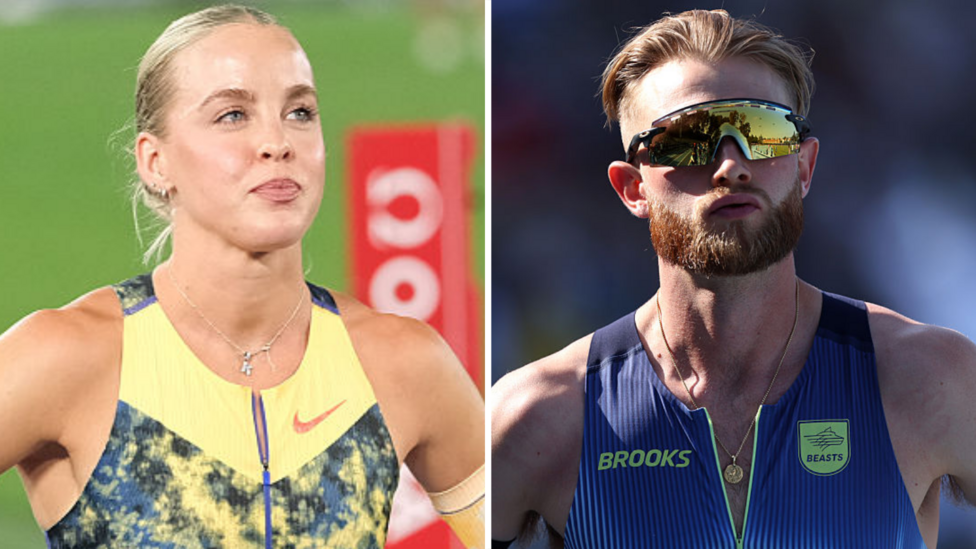
London's World Record Pursuit: Hodgkinson and Kerr Chase History
Britain's brightest track stars target immortality at London's Diamond League meeting this Saturday.
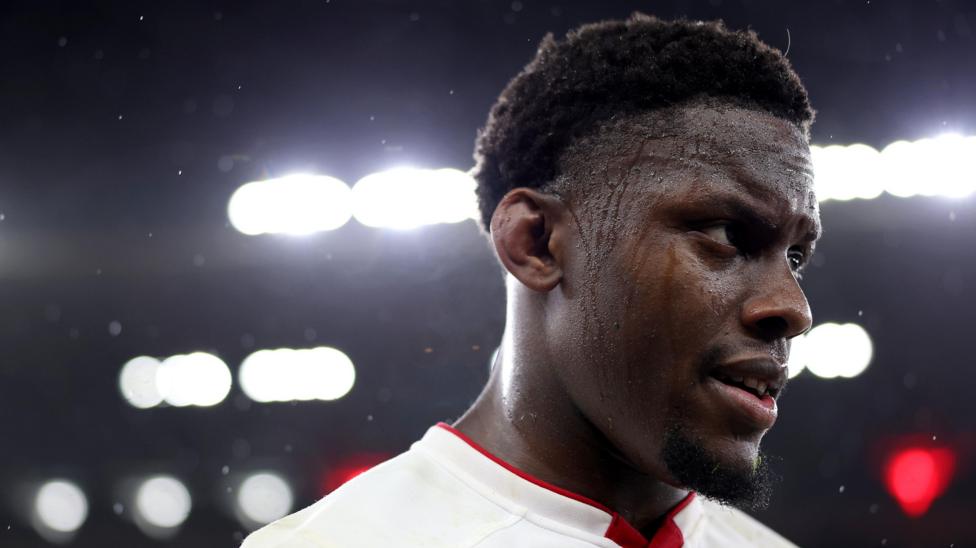
Borthwick Bets on Depth: Itoje Rested for Entire Summer Campaign
England captain Maro Itoje will sit out the entire Nations Championship as Borthwick reshapes his squad hierarchy.
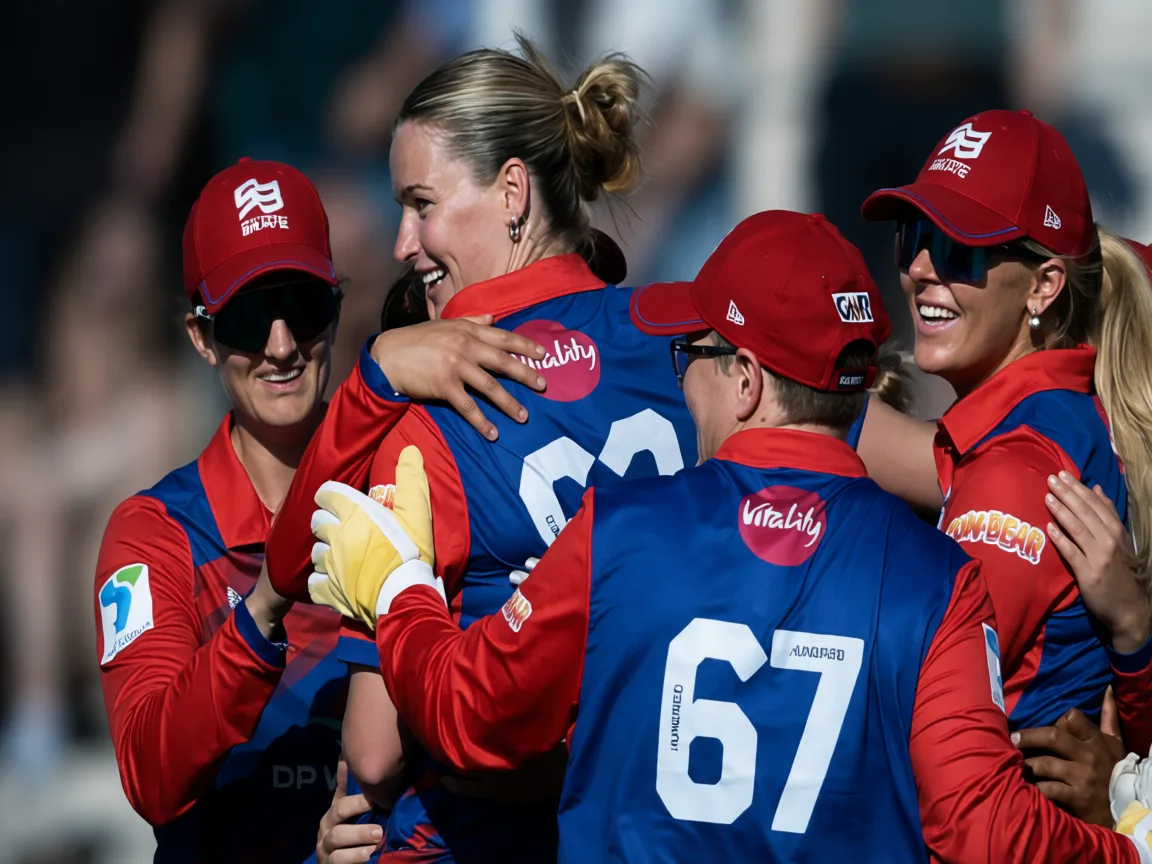
Bell's Ice-Cold Nerve Seals Last-Ball Thriller for Southern Brave
Lauren Bell holds her nerve on the final delivery as Southern Brave edge MI London to stay unbeaten in The Hundred.