Sciver-Brunt Calf Injury Rocks England's T20 World Cup Hopes
England lose captain Nat Sciver-Brunt for at least two critical T20 World Cup matches after a left calf injury suffered on Tuesday.
England's T20 World Cup campaign just suffered its most significant blow. Captain Nat Sciver-Brunt has been officially ruled out of at least the next two matches with a left calf injury sustained on Tuesday. The injury strips England of their most destructive batter and on-field leader at the sharpest end of the tournament. Calf injuries are notoriously treacherous, often requiring extended rehabilitation to avoid recurrence. The timeline means Sciver-Brunt will miss crucial group stage fixtures that will define England's pathway to the semifinals.
The moment of impact came on Tuesday during England's latest outing. Sciver-Brunt pulled up abruptly while running between the wickets, immediately signaling distress to the dugout. Medical staff sprinted to the middle as the batter clutched her left calf. She left the field assisted, unable to put full weight on the leg. Subsequent scans confirmed the muscle damage, forcing the medical team to shut down their captain for the immediate future.
The Tactical Void
Losing Sciver-Brunt is not just about subtracting runs from the board. It is about removing the tactical spine of the entire operation. She is the engine that allows England to play their signature aggressive brand of cricket. Without her, the batting order loses its most reliable crisis manager and its most explosive finisher. The team must now find a way to replace a player who consistently delivers when the pressure peaks.
The numbers tell the full story of her irreplaceable value. Sciver-Brunt averages over 40 with the bat in T20 World Cup history. Her strike rate consistently hovers near 130, making her one of the most efficient power hitters in the women's game. In the field, she serves as the primary communication hub, orchestrating positions and bowling changes. Her absence creates a vacuum that cannot be filled by simply shuffling the batting order.
England's middle order now faces a brutal reality check. Without their captain, the remaining batters must absorb overs against high-quality pace and spin. Players like Danni Wyatt and Amy Jones will need to accelerate earlier than usual. The risk of collapses increases dramatically without Sciver-Brunt acting as the anchor. Opposing bowlers will undoubtedly target the soft underbelly of a disrupted batting lineup.
Standoff Options
- Alice Capsey offers explosive power but lacks consistency against quality spin
- Freya Kemp provides left-arm variety but carries heavy workload at just 18 years old
- Maia Bouchier offers solid technique but limited experience in high-pressure World Cup moments
Leadership Crisis
The captaincy represents an immediate and urgent problem for head coach Jon Lewis. Sciver-Brunt was entrusted with the leadership role to bring tactical aggression and calm under fire. Now Lewis must identify a deputy capable of handling the immense pressure of a World Cup. The likely candidate is Heather Knight, a former captain with vast experience. However, re-integrating Knight into the top job mid-tournament carries its own complications regarding tactical continuity.
In the dressing room, the atmosphere following Tuesday's injury was undeniably somber. Players sat in stunned silence as medical staff treated Sciver-Brunt on the sidelines before helping her off the field. The usual post-match energy was replaced by hushed conversations and worried glances toward the physio room. One team source described the mood as one of immediate determination mixed with underlying anxiety. The squad knows exactly what they have lost, and they know precisely how difficult it will be to replace.
"It's obviously a huge blow for us. Nat is our leader and our best player. But we have a squad built for moments like this, and someone has to step up immediately."
Calf Injury Realities
Calf injuries demand respect, particularly in a sport requiring explosive sprinting and sharp changes of direction. Analyzing the medical reality provides crucial context for England's timeline. Even a low-grade calf strain typically requires seven to ten days of complete rest. Moderate strains push that recovery window to three to four weeks, effectively ending a player's group stage involvement. The England medical staff will not risk their captain's long-term fitness for a short-term gain.
The risk of re-injury is the primary concern driving the conservative timeline. Returning too early from a calf strain dramatically increases the likelihood of a more severe tear. A complete rupture would require surgery and months of rehabilitation. England's medical staff understand that pushing Sciver-Brunt back into action prematurely could cost her the entire tournament and potentially months of the domestic season.
Adding to the physical challenge is the brutal T20 World Cup schedule. Teams often play with just two to three days of rest between matches. This condensed fixture list leaves zero room for gradual reintroduction. If Sciver-Brunt is declared fit for the final group game, she will have had minimal training time with the squad. Rhythm and match sharpness become massive question marks.
What It Means
England's T20 World Cup ambitions are now on life support. Missing Sciver-Brunt for two matches against quality opposition could easily result in losses that derail their semifinal hopes. The net run rate calculations become critical, as every boundary and wicket matters in a stacked group. England must find a way to secure victories without their most potent weapon.
The tactical approach must shift from dominance to survival. Coach Lewis will likely recalibrate the batting order to build partnerships rather than chase explosive totals. The bowling attack faces increased pressure to defend lower targets. Every fielding position and bowling change requires flawless execution without Sciver-Brunt's calming presence to absorb pressure.
For Sciver-Brunt personally, this injury represents a devastating setback on the grandest stage. Captaining your country at a World Cup is the pinnacle of any cricketer's career. Missing even two matches robs her of moments she has worked her entire career to achieve. The rehabilitation process will test her mental resilience as much as her physical recovery. All eyes will be on the medical updates, hoping for a miraculous but realistic return.
The broader implications extend beyond this tournament. England's selection panel built the entire squad architecture around Sciver-Brunt's skills and leadership. Her injury exposes a lack of genuine like-for-like depth. The search for an interim solution could reshape the team's identity for years to come.
England now faces a defining stretch. They can crumble under the weight of the absence or rally around the adversity. The next two matches will reveal the true character of this squad. Without their captain, every player must elevate their performance by at least ten percent. The margin for error has vanished entirely.
Editorial Integrity
This is an original SportPulse article written by our editorial team. All content is independently researched, written, and reviewed by our writers and editors before publication. We do not publish copied, aggregated, or syndicated content.
SportPulse is committed to original sports journalism. Read our editorial policy or contact us with any questions.
More Like This
All football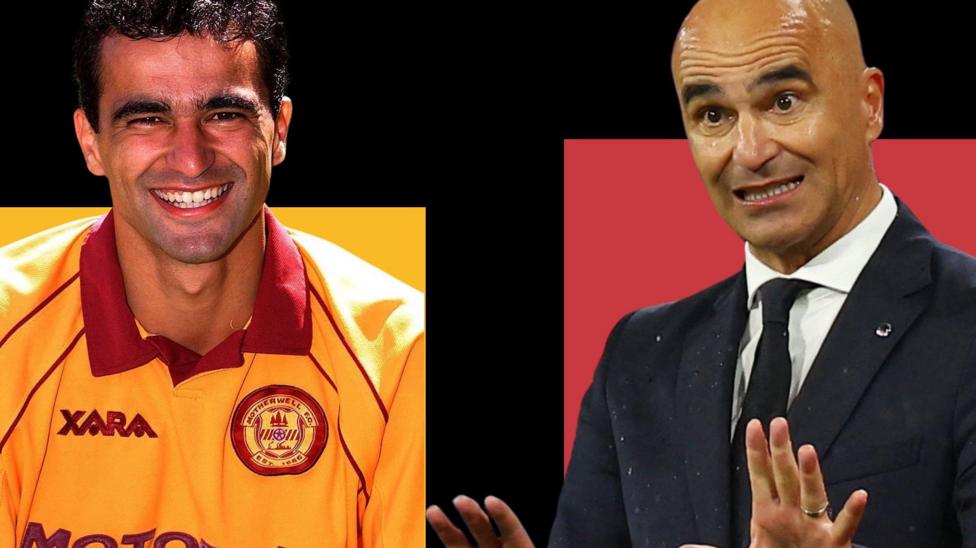
How Motherwell's Cruel Cut Forged Portugal's Martinez
Roberto Martinez credits a painful Motherwell redundancy for his managerial philosophy, revealing how Scottish football shaped his elite career.

England's World Cup Elite: The 10-Appearance Club History Forgot
Only a fragment of England's footballing history has reached 10 World Cup appearances, defining true international pedigree.

Belgium's Post-Golden Generation Era Begins Against USA
Belgium enter World Cup 2026 neither relic nor contender, but a dangerous transitional side the USMNT cannot afford to underestimate.