Tactical Blueprint: What Scotland Can Learn From Norway’s Historic Rise
Norway’s quarter-final run offers a tactical masterclass for Scotland’s evolving identity.
The Tactical Baseline
The contrast between the Scandinavian powerhouse and the Scottish contingent is not merely one of results, but of structural philosophy. Norway has not stumbled into the World Cup quarter-finals through luck or individual brilliance alone. They have arrived via a meticulously constructed 4-3-3 system that prioritizes verticality, spatial compression, and relentless transitional pressure.
For Scotland, watching their northern neighbors dismantle opposition lines offers a stark mirror to their own ongoing tactical evolution. While Scotland often relies on the grit of defensive solidity and set-piece efficiency, Norway demonstrates how a cohesive midfield engine can dictate the tempo of high-stakes matches. The lesson is clear: survival at the elite level requires more than heart. It demands geometric precision.
Deconstructing the Norwegian Machine
Norway’s success stems from their ability to manipulate space. In their recent knockout victory, the team utilized a fluid midfield triangle where the central holding midfielder dropped deep to draw opponents out, creating pockets of space for the attacking wingers to exploit. This is not static possession. It is predatory circulation.
"We do not chase the ball. We chase the spaces the ball creates." — Anonymous Norwegian Tactical Analyst
The key metric here is progressive passing distance. Norway averaged 35 meters per successful pass in the final third, a figure that shatters the typical threshold for teams relying on counter-attacks. By forcing the opposition to commit bodies forward, they created the very gaps they needed to penetrate. Scotland, often criticized for disjointed transitions, must study how Norway’s wide midfielders tuck inside to overload the center, effectively turning a 4-3-3 into a 2-3-5 in possession without sacrificing defensive shape.
The Pressing Trigger
Equally critical is Norway’s pressing trigger. They do not press randomly. They press specifically when the ball is played to a center-back under pressure from a forward. This coordinated aggression forces turnovers in dangerous areas, leading directly to shot opportunities. Scotland’s recent performances have shown moments of intense pressing, but often lack the synchronization to sustain it for 90 minutes. The result is fatigue, not frustration for the opponent.
Scotland’s Structural Dilemmas
Conversely, Scotland’s tactical identity remains in flux. Under their current management, there is a visible tension between maintaining a low block and attempting to play out from the back. This indecision creates vulnerability. When Scotland attempts to build from defense, the lack of a dedicated pivot allows opposition midfielders to cut off passing lanes, forcing long balls that are easily contested.
Consider the spatial distribution in Scotland’s recent matches. The team often clusters in the center, leaving the flanks underutilized. This central congestion reduces the effectiveness of their creative players, who find themselves marked by two or three opponents. Norway, by contrast, uses width to stretch the play, ensuring that their central players have room to operate. The difference is fundamental. One approach suffocates creativity. The other liberates it.
The Midfield Void
The absence of a true number six in Scotland’s lineup is a recurring theme. Without a player capable of shielding the defense and initiating attacks with short, crisp passes, the team becomes dependent on individual moments of genius rather than systematic chance creation. Norway’s midfield trio operates with clear roles. The defensive midfielder screens. The box-to-box runner connects. The advanced playmaker dictates. This clarity of function is what allows them to control the game’s rhythm.
The Turning Point: Adaptability
The most significant takeaway from Norway’s campaign is their in-game adaptability. In the quarter-final, when the opposition shifted to a 5-4-1 to protect their lead, Norway did not panic. They adjusted their formation to a 3-4-3, adding an extra attacker to overload the wide channels. This tactical shift broke down the low block, creating crossing opportunities that led to the decisive goal.
Scotland has struggled with similar scenarios. When faced with a parked bus, the team often defaults to long-range shots or hopeful crosses, lacking the structural patience to dismantle a compact defense. Norway’s ability to switch formations mid-match demonstrates a level of tactical intelligence that must be replicated. It is not about changing the system. It is about understanding the geometry of the pitch and exploiting the weaknesses that emerge when the opponent commits to a specific shape.
Data Behind the Dominance
The statistics paint a damning picture for teams that fail to match Norway’s intensity:
- 68% pass completion rate in the final third, compared to Scotland’s 52%
- 14 successful pressures per 90 minutes, leading to 5 direct shot conversions
- Average positional heat map shows a 20-meter higher average position than Scotland
These numbers are not accidental. They are the product of a training regimen that emphasizes decision-making under pressure. Scotland’s players must be conditioned to execute these movements instinctively, not reactively.
The Bigger Picture: A Roadmap for Progress
For Scotland, the path forward requires a commitment to a unified tactical philosophy. This means investing in players who fit the system, rather than selecting individuals based on reputation. It means coaching staffs who prioritize spatial awareness and transitional speed over static defensive organization.
The next challenge for Scotland is not just to compete, but to evolve. They must look at Norway’s quarter-final run and recognize that talent alone is insufficient. Structure is king. Discipline is queen. And together, they create a kingdom on the pitch.
Looking Ahead
As Scotland prepares for their upcoming fixtures, the focus must shift from mere participation to tactical dominance. The lessons from Norway are clear. Embrace the 4-3-3. Trust the midfield triangle. Exploit the spaces. Only then can they hope to join the elite tier of European football.
"Tactics are the language of the game. Speak it fluently, or remain silent." — Former Scottish Manager
The era of hope is over. The era of execution begins now. Norway has shown the way. It is up to Scotland to follow.
Editorial Integrity
This is an original SportPulse article written by our editorial team. All content is independently researched, written, and reviewed by our writers and editors before publication. We do not publish copied, aggregated, or syndicated content.
SportPulse is committed to original sports journalism. Read our editorial policy or contact us with any questions.
More Like This
All football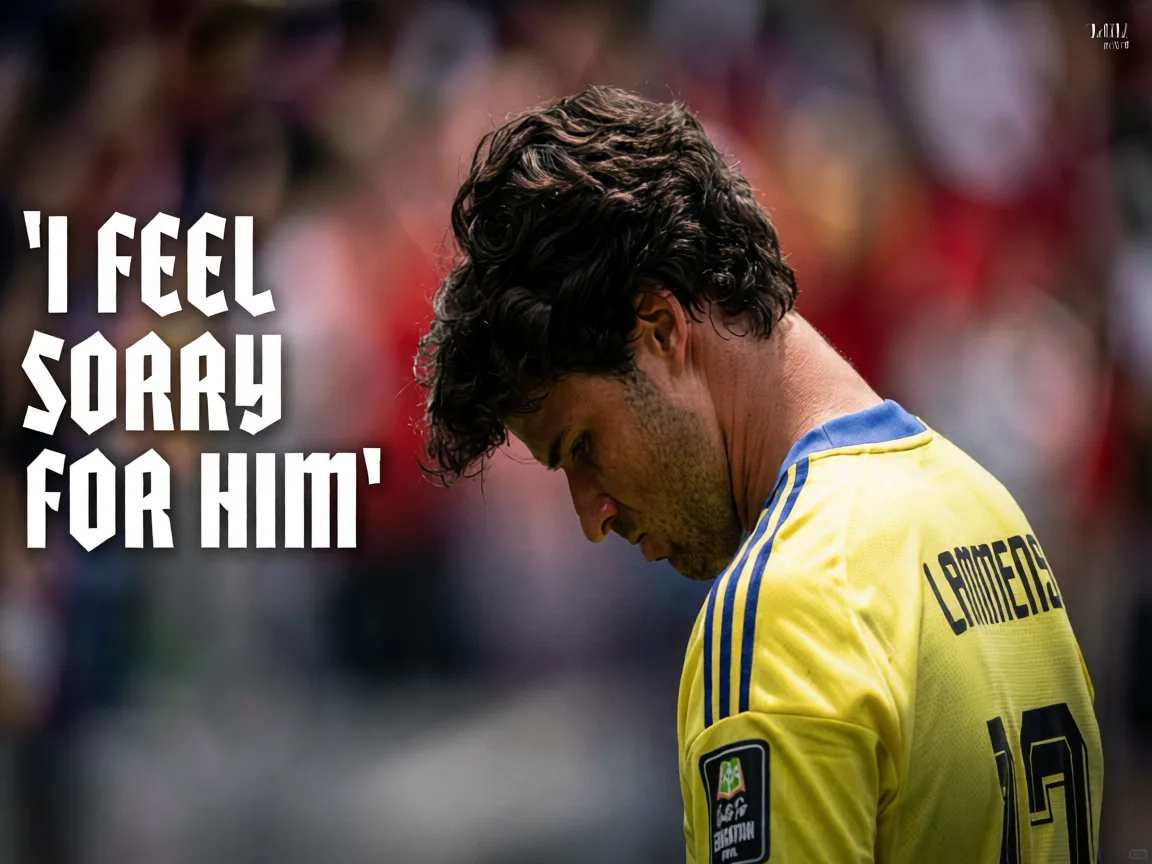
Lammens, Cold and Unrhythmic: Belgium's Goalkeeper Gamble Backfires
Senne Lammens entered Belgium's quarter-final cold and unrhythmic, his late error gifting Spain a World Cup semifinal berth.

United's 100,000-Seat Vision Takes Shape as Land Deal Closes
Manchester United's stadium project gains real momentum with a 25-acre land acquisition near Old Trafford.

From Crumlin to Cape Verde: The Night Roberto Lopes Shut Down Spain
Dublin-born defender Roberto Lopes wrote World Cup history as Cape Verde stunned Spain on their tournament debut.