When the Serve Couldn't Save Him: Shelton's Wimbledon Dream Dissolves
Ben Shelton's first-round Wimbledon collapse reveals the brutal margins between triumph and heartbreak on grass.
The Net That Swallowed a Forehand
There is a particular cruelty in grass-court tennis that no other surface can replicate. The ball skids, the footing betrays, and a single misjudged forehand can turn a cathedral of triumph into a courtroom of regret. At 9-8 in a fifth-set tiebreak, with match point burning in his chest, Ben Shelton aimed for the line and found the net instead. Two points later, another forehand screamed wide, and the No 4 seed's Wimbledon was over before it had truly begun.
The scoreboard read 6-4, 3-6, 6-7 (8), 6-2, 7-6 (9) in favour of Otto Virtanen, a world No 140 from Finland making just his second appearance at the All England Club. It was not supposed to happen this way. Shelton had arrived in SW19 carrying the momentum of a first grass-court title in Stuttgart, the memory of a quarter-final run twelve months earlier, and a serve that many analysts had ranked among the most devastating weapons in the modern game. He left carrying the weight of what might have been.
A Tournament Built for Him
To understand the depth of this upset, one must appreciate what Wimbledon had come to mean for Shelton's trajectory. The 22-year-old American had been building toward a grass-court breakthrough with the patience of a stonemason laying a foundation. His left-handed serve, heavy with spin and disguised by a fluid motion, seemed purpose-built for the low, fast bounce of Wimbledon's lawns. His Stuttgart title earlier in June was not a fluke but a culmination, the first tangible proof that the surface rewarded his instincts.
Last year's quarter-final run had already placed him in the conversation alongside the sport's elite grass-court performers. When the draw opened and the seeding held, Shelton's path to the second week appeared navigable. He was the highest-profile American in a draw that featured 18 men from the United States, the most of any nation in the men's singles. He was their standard-bearer, their most plausible deep run.
Instead, he became their cautionary tale.
The Anatomy of a Collapse
The match itself was a masterclass in narrative whiplash. Shelton took the opening set 6-4, his serve humming, his forehand finding the corners with authority. When Virtanen levelled at 6-3 in the second, it felt like a footnote, a brief interruption in a story that would inevitably bend back toward the favourite.
The third set was where the fault lines first appeared. Shelton reached a tiebreak and had his chances, but Virtanen refused to yield. The Finn took it 7-6 (8), and suddenly the complexion of the match had shifted entirely. A player ranked 140th in the world had claimed a set off a top-four seed on Centre Court or Court One, and the crowd sensed something stirring.
Shelton responded with authority in the fourth, blitzing through 6-2 with the kind of ruthless efficiency that had carried him to Stuttgart glory. It looked like order had been restored, like the natural hierarchy of the sport had reasserted itself. But the fifth set is where Wimbledon separates contenders from pretenders, and on this Tuesday afternoon, Shelton found himself on the wrong side of that divide.
The tiebreak arrived at 9-8, Shelton serving for the match. One clean strike and he advances. Instead, the forehand kissed the tape and died. Virtanen won the next two points, and a career-defining upset was complete.
The Psychology of Closing Out
There is a reason coaches speak of the fifth set with reverence. It is not merely a physical crucible but a psychological one, a space where the mind fractures under pressure that the body alone cannot explain. Shelton's forehand on match point was not a technical failure. His racket was in the right position, his balance was sound, and his intent was clear. What failed was something far more difficult to coach: the ability to execute under the crushing weight of expectation.
This is not an indictment of Shelton's mental fortitude. He has shown remarkable composure for a player his age, particularly in the cauldron of Grand Slam tennis. But the margins at this level are so vanishingly thin that a single moment of hesitation, a millisecond of doubt about placement, can transform a winner into an error. The forehand that landed in the net was the product of a player who wanted to be precise rather than aggressive, who chose placement over power at the exact moment the match demanded the opposite.
Virtanen, by contrast, played with the freedom of a man with nothing to lose. Ranked 140th, appearing in only his second Wimbledon, the Finnish qualifier had no expectation to manage, no narrative to protect. He could swing freely, and he did, producing the kind of fearless tennis that makes grass-court upsets possible.
The American Conundrum
Shelton's exit amplifies a broader question about American men's tennis at the All England Club. Eighteen players entered the draw, a number that speaks to the depth of talent emerging from the United States. But depth and dominance are different currencies, and the Americans have yet to produce a Wimbledon men's singles champion since Pete Sampras claimed his seventh title in 2000.
Shelton was supposed to be the player most capable of changing that narrative. His game, built around a thunderous serve and aggressive baseline play, mirrors the blueprint that Sampras himself perfected on these lawns. The left-handed angle adds a tactical wrinkle that few opponents can comfortably handle. But a blueprint is not a building, and this first-round exit is a reminder that potential must be converted into results through a process that is rarely linear.
Taylor Fritz, meanwhile, cut through his opening match with the kind of clinical efficiency that Shelton lacked. The contrast was stark: where Shelton struggled to close, Fritz advanced with minimal drama, offering a reminder that the American contingent still carries serious firepower deeper in the draw.
What Virtanen's Win Means
For Otto Virtanen, this victory represents something close to a sporting miracle. The 24-year-old Finn entered Wimbledon with modest credentials and left with a result that will define his career regardless of what follows. Defeating a top-four seed in five sets on the grass is the kind of achievement that earns wildcard invitations, sponsor attention, and the respect of peers who will no longer treat him as a walkover.
Finland has not historically been a tennis powerhouse, but Virtanen's performance suggests a player capable of competing at the highest level when conditions align. His composure in the fifth-set tiebreak, particularly after saving a match point, spoke to a temperament that many higher-ranked players would envy.
The Road Ahead
For Shelton, the immediate aftermath will sting. He will replay that forehand on match point thousands of times in the coming weeks, searching for answers that may not exist in any technical breakdown. But the broader arc of his career remains promising. He is 22 years old, possesses a game tailor-made for the biggest stages, and has already proven he can win on grass.
The challenge now is converting that promise into the kind of sustained Grand Slam consistency that separates good players from great ones. Federer lost early at Wimbledon before becoming its greatest champion. Djokovic endured painful exits before mastering the art of closing out tight matches. Shelton is not yet in their company, but the raw materials are there, waiting to be refined.
What Wimbledon demands, more than any other tournament, is the ability to endure. Not just physically, but emotionally, through the long silences between points and the longer silences between seasons. Shelton will return to these lawns next year, older and wiser, with the memory of that forehand in the net serving as both wound and weapon.
The grass will still be green. The serve will still thunder. The question is whether the forehand, when it matters most, will find the line instead of the net. That is the margin between a first-round exit and a fortnight of glory, and at Wimbledon, that margin is everything.
Updated: 2026-06-30 — Confirmed Shelton as fourth seed, Virtanen as Finnish qualifier, and added specific fifth-set tie-break details.
Editorial Integrity
This is an original SportPulse article written by our editorial team. All content is independently researched, written, and reviewed by our writers and editors before publication. We do not publish copied, aggregated, or syndicated content.
SportPulse is committed to original sports journalism. Read our editorial policy or contact us with any questions.
More Like This
All tennis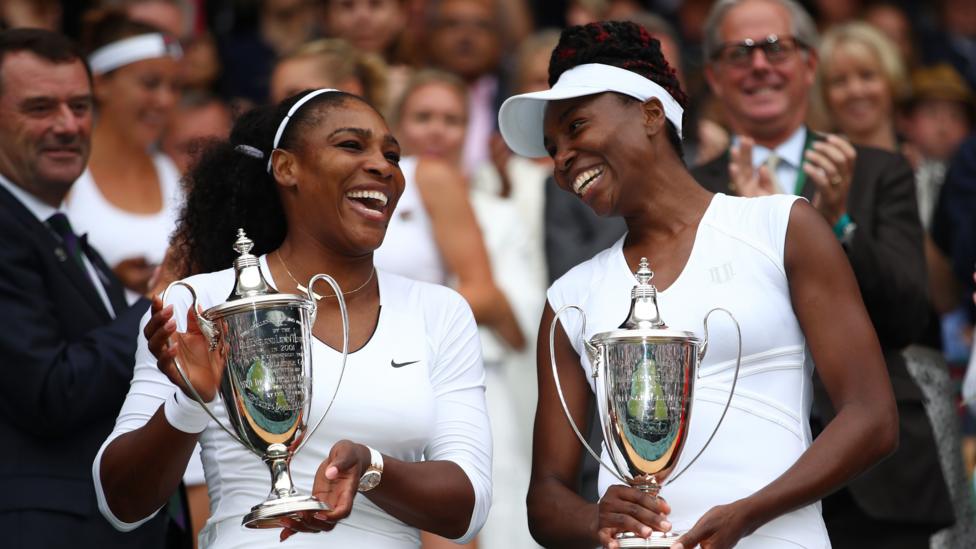
Williams Sisters Accept Wimbledon Doubles Wildcard
Serena and Venus Williams will reunite at the All England Club after receiving a wildcard into the Wimbledon women's doubles.
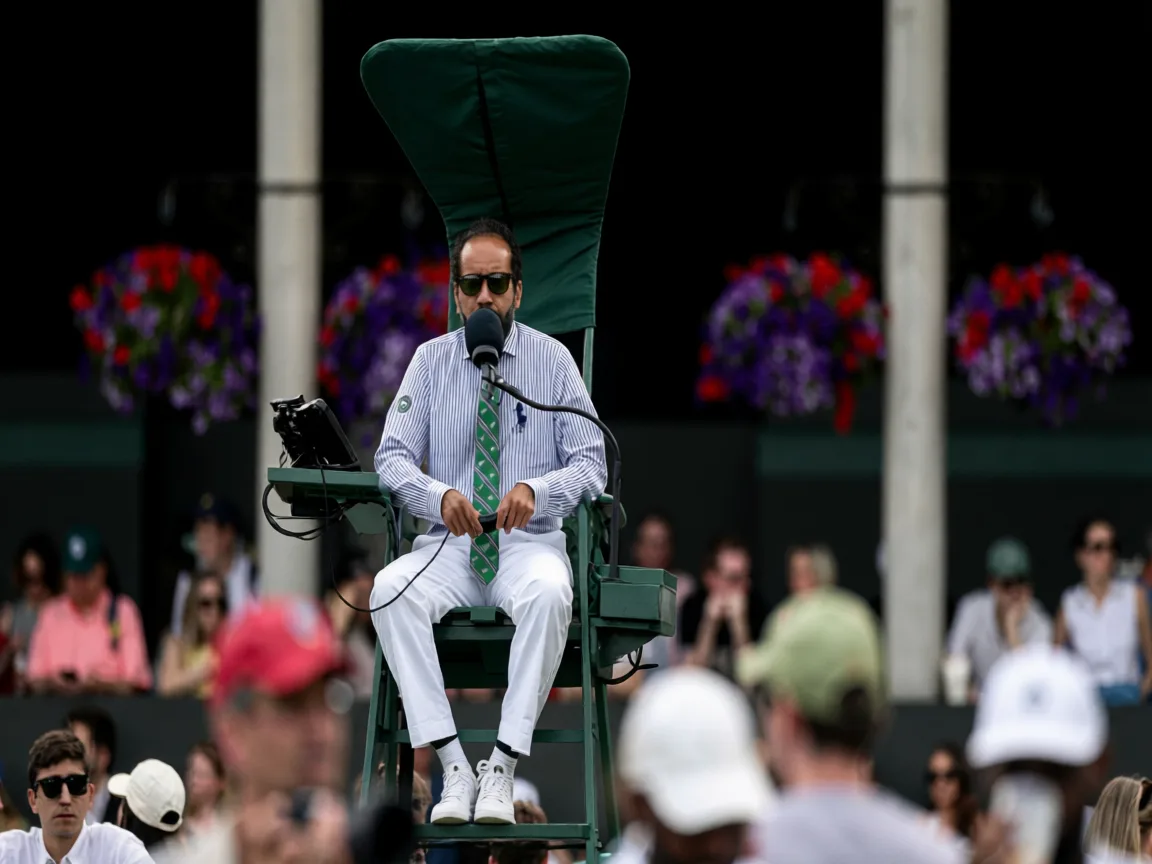
The Unsung Orchestrators: Life in the Wimbledon Umpire's Chair
Wimbledon's umpires endure pressure, weather, and biological reality. A deep dive into the hidden craft behind tennis's most prestigious officiating assignment.

The Pineapple Crown: Wimbledon's Golden Secret of Prestige and Pageantry
A curious pineapple tops the men's trophy, revealing Wimbledon's deep ties to colonial-era symbolism and rare status.