Spa Mastery: The Technical Blueprint of a Belgian GP Winner
Formula 1 returns to Spa-Francorchamps, a circuit where aerodynamic efficiency and tire management dictate the winners of Formula 1's ultimate weather lottery.
The Ardennes Inferno and Its Core Requirements
Formula 1 descends upon the Ardennes forest this weekend, where the legendary Spa-Francorchamps circuit immediately重定义 the parameters of mechanical excellence. At 7.004 kilometers, it remains the longest track on the current calendar, demanding a precarious compromise between outright velocity and aerodynamic grip. Theles drivers must conquer this weekend is never simple: Spa requires a low-drag configuration to maximize speed down the Kemmel Straight, but retains enough downforce to stick the chassis through the sweeping complexities of Pouhon and Blanchimont. Track temperature is a phantom variable in the Belgian microclimate, oscillating drastically across the weekend while ambient conditions shift rapidly.
The tire strategy background compounds this physical intensity. Pirelli traditionally brings its hardest compounds to Spa to withstand the high lateral energy loads, but the actual execution hinges entirely on the weather window. A dry race forces engineers to calculate thermal degradation carefully, monitoring surface temps as the rubber cycles through brutal compressions. When the rain arrives intermediate and wet tires become the critical limiting factor. The calendar demands precision.
Decoding the Eau Rouge Challenge
Winning at Spa requires a specific physiological and technical tolerance. Eau Rouge and Raidillon represent the most iconic elevation change in global motorsport, a blind, fast rising complex that tests suspension kinematics and driver commitment simultaneously. The compression at the bottom of Eau Rouge subjects the chassis to tremendous vertical load. Drivers face a sudden G-force spike as the track climbs sharply upward.
The margin for error is microscopic. A slight misstep or imbalance in the aerodynamic platform induces terminal understeer, sending the car wide onto the slippery outside curbing. Teams focus intensely on their front wing flap angles to ensure the nose responds promptly during the rapid direction changes leading into this complex. The setup target remains a stable rear end without sacrificing the sharp turn-in needed for the slow Bus Stop chicane at the end of the lap.
The Mechanics of a Spa Masterclass
Spa exposes powertrain deficiencies without mercy. The layout features two distinct heavy braking zones, but the deployment of electrical energy through the lap forms the true differentiator. The climb from Eau Rouge to Les Combes requires significant ERS deployment, forcing drivers and engineers to perfectly map their battery usage. Energy recovery during heavy braking is minimal compared to tracks with longer slow-down phases, meaning the hybrid system operating parameters must be meticulously optimized.
A winning driver at Spa must display predictive spatial awareness, reading the microclimate approaching from the Ardennes. Strategy Breakdown: The pit wall must remain highly reactive. In variable conditions, race engineers constantly cycle between forecasts, track temperatures, and sector times. The decision to pit early for intermediates relies on confidence in meteorological models and real-time driver feedback. Waiting too long risks losing seconds per lap, while pitting prematurely shreds the inters on a drying racing line.
Anatomy of a Belgian GP Victor
Historically, navigating Spa successfully depends on a blend of qualifying brilliance and tactical endurance. Pole position matters immensely at this circuit, providing clean air and removing the immediate threat of first-lap chaos at La Source. The run down to the first corner is the longest on the calendar, creating an extended slipstream effect. A compromised qualifying effort forces drivers into desperate moves, increasing the likelihood of contact in the tight braking zone.
To conquer the Belgian Grand Prix requires a methodical approach to sector management, specifically Sector 2 performance. The middle segment tests the pure aero balance of the car. Drivers who preserve their tires through the high-speed changes of direction maintain optimal grip for the final push. A smooth rotation through Pouhon translates to a time gain of 0.4 seconds easily, a massive deficit to overcome on rival.straight.
The Standings Implications
As the grid prepares for lights out, the strategic battle lines extend beyond single-lap pace. The Constructors fight relies heavily on scoring maximum points here to establish momentum before the summer shutdown. Securing a 1-2 finish hauls the critical 44 points mandatory for championship contention. Any retirement due to collision damage or power unit failure in the high-load environment permanently reshapes the title chase.
The Hallmarks of a Spa Winner
The data points defining a Spa winner paint a clear picture of mechanical dominance and human precision. Victory requires mastery across multiple metrics of performance.
- Pole Position Conversion Rate: High conversion historically, underscoring the importance of track position
- Sector 2 Dominance: The fastest cars posting quicker times through the aero-dependent middle sector
- Tire Management: 20+ lap stints on hard compounds during green flag running
- DRS Effectiveness: Gaining 0.3 seconds relative to the car ahead on the Kemmel Straight
The Ultimate Aerodynamic Lottery
The Ardennes remains a cruel umpire. The leaders navigate Pouhon cleanly while the midfield battles sudden downpours at the top of the circuit. This microclimate fragmentation ensures that the driver lifting the trophy Sunday afternoon has conquered not just the grid, but the weather gods themselves. Spa separates the competent from the legendary. The margin between champagne and catastrophe frequently narrows to a single raindrop on a visor.
Editorial Integrity
This is an original SportPulse article written by our editorial team. All content is independently researched, written, and reviewed by our writers and editors before publication. We do not publish copied, aggregated, or syndicated content.
SportPulse is committed to original sports journalism. Read our editorial policy or contact us with any questions.
More Like This
All f1
McLaren Refuse to Rule Out Verstappen Swoop
Zak Brown leaves the door ajar for Max Verstappen as Red Bull's internal turmoil fuels intense silly season speculation in Austria.
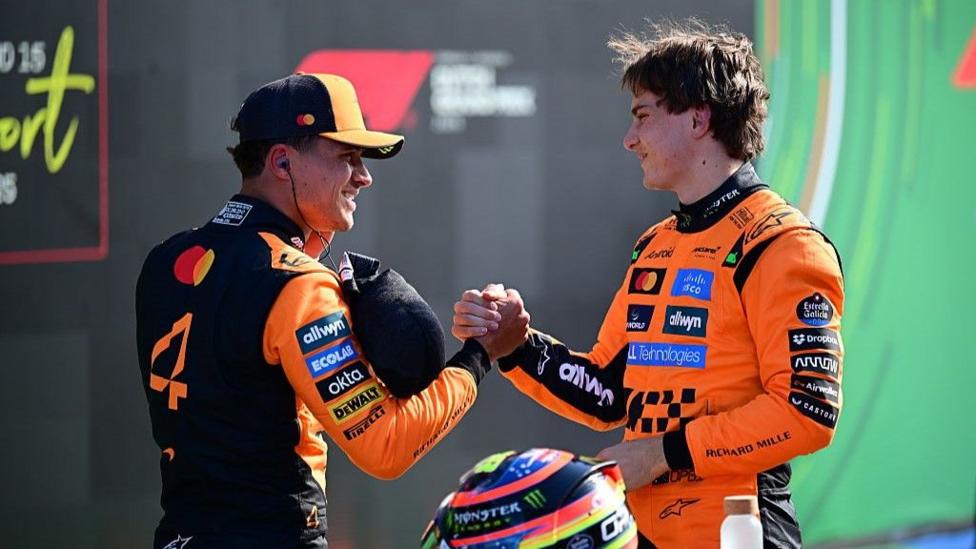
Papaya Rules Decoded: McLaren's Internal Battle Explained
Papaya Rules govern how McLaren's drivers race each other. Here is what the phrase means and why it matters for the F1 championship.
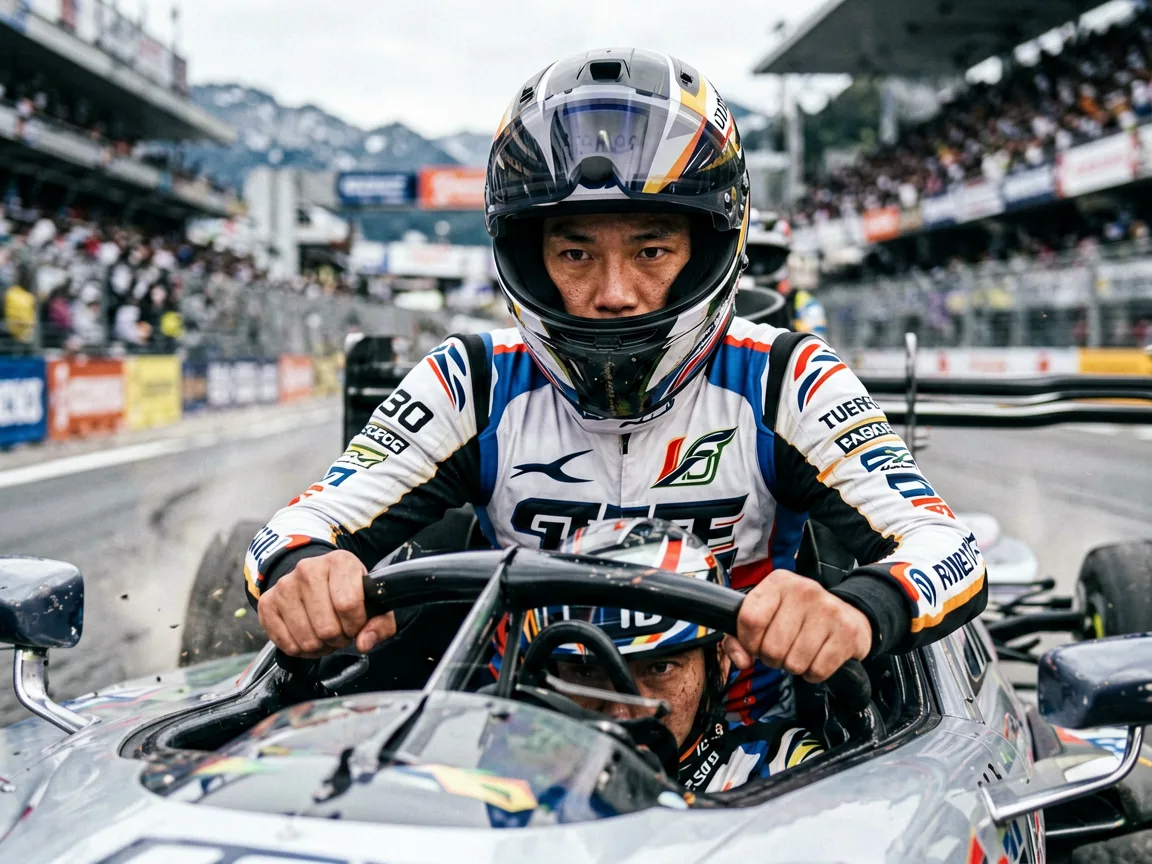
Colapinto's Alpine Clock: Inside The 2026 Contract Ultimatum
Alpine chief Nielsen admits everyone wants more from Colapinto as his 2026 contract expiry looms over Enstone.