Spain Crowned World Champions as Torres Sinks Stubborn 10-Man Argentina
Ferran Torres struck the decisive goal in extra time as Spain dominated a passive Argentina side reduced to 10 men by Enzo Fernández's red card.
Spain Are World Champions Again
Ferran Torres scored the goal that mattered most in world football, breaking down 10-man Argentina in extra time to deliver Spain their first World Cup title since 2010. Spain controlled the match from the opening whistle to the final kick. Argentina, the defending champions, offered almost nothing going forward. They did not register an attempt on goal until the 115th minute. By that point, they were already trailing and down to 10 men.
Argentina's Ambition Collapses Before the Red Card
The sending-off of Enzo Fernández towards the end of regulation time was the headline disciplinary moment, but Argentina's problems ran deeper than one dismissal. Their approach from the start was shockingly conservative for a World Cup final. This was a team that had won the previous edition of the tournament, packed with elite talent across the pitch, yet they set up to contain rather than compete.
Spain did not oblige them. Patient in possession, relentless in their pressing, and precise in their movement, Luis de la Fuente's side pinned Argentina back and suffocated every attempt to build out. The tactical mismatch showed in the shot count alone. Argentina's inability to trouble Spain's defence until deep into the second period of extra time spoke to a fundamental miscalculation in their game plan.
Fernández's red card compounded the structural problems that were already there. Once reduced to 10 men, Argentina's already threadbare attacking ambition evaporated entirely. They retreated deeper, invited pressure, and hoped to reach a penalty shootout through sheer stubbornness.
Torres Delivers the Moment This Generation Needed
Ferran Torres has had an uneven career trajectory since leaving Valencia for Manchester City, with loan spells and questions about his consistency at the highest level. None of that mattered here. His goal broke Argentina's resistance at the moment they believed they might still hold on, a finish that will define his legacy regardless of what follows.
Players who had grown up watching clips of Xavi, Iniesta, and Casillas lifting the trophy in Johannesburg in 2010 now had their own moment. This was not a team carried by one superstar but a collective that played with an identity as clear as any Spain side in modern memory.
A New Generation Joins the 2010 Legends
The parallels to 2010 are earned. That Spain team introduced a style of football that reshaped the international game: patient possession, positional superiority, relentless pressing. This squad, younger and less decorated on paper, followed the same blueprint and executed it on the biggest stage.
De la Fuente deserves credit for building a side that trusted the process in a final. There were no desperate long balls, no abandonment of principles under pressure. Spain played the same way they had played in the group stage, in the knockout rounds, and now in the final. The identity never wavered.
Argentina, by contrast, looked like a team caught between eras. The raw emotion and individual brilliance that powered their 2022 triumph was absent. What replaced it was caution, and caution against a Spain side this sharp is a death sentence.
Closing the Gap on the All-Time List
Spain's victory closes the gap to Brazil, Germany, and Italy at the top of the all-time World Cup winners list and confirms that the philosophy born in the late 2000s remains the sport's most effective blueprint when executed with conviction. For Argentina, the defeat raises uncomfortable questions about a tactical approach that produced a single shot on target across 120 minutes of a World Cup final.
Editorial Integrity
This is an original SportPulse article written by our editorial team. All content is independently researched, written, and reviewed by our writers and editors before publication. We do not publish copied, aggregated, or syndicated content.
SportPulse is committed to original sports journalism. Read our editorial policy or contact us with any questions.
More Like This
All football
From Refugee Camps to World Cup Glory: Football's Defiant Story
Behind every World Cup star from a refugee family lies a story of survival that reshapes the beautiful game.

Respect Brazil or Go for It? Scotland Face a Defining Tactical Call
Scotland's World Cup clash with Brazil forces a philosophical question every underdog must answer: cede territory or punch above your weight?
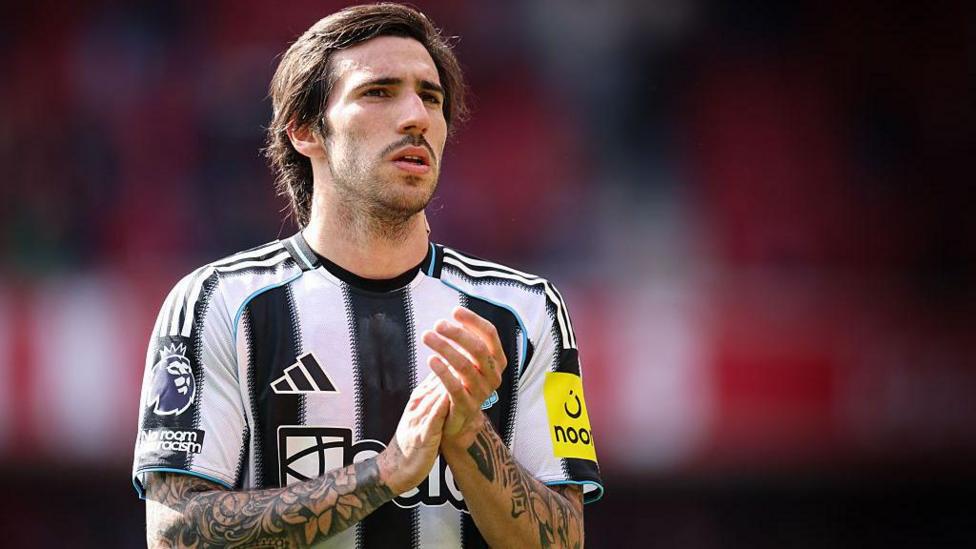
Tonali Pursuit Exposes Newcastle's Shrinking Market Power
Tottenham targeting Sandro Tonali proves Newcastle can no longer rely on premium allure to bridge the gap to the elite.