Homegrown Surge: Three Brits Battle Through Qualifying to Earn Wimbledon Spots
Ollie Tarvet, Billy Harris, and Max Basing punch through three grueling qualifying rounds to reach the Wimbledon main draw.
Roehampton Delivers Its Drama Again
The Bank of England Sports Ground in Roehampton lacks the polished grandeur of the All England Club, but what it trades in prestige it makes up for in raw, desperate tennis. Qualifying week at Wimbledon is where careers are forged or stalled, where hopefuls play three rounds of best-of-three-set warfare on grass courts that are still settling into the season, all for the right to walk through the gates of SW19 as a main-draw competitor.
This year, three British names emerged from that gauntlet: Ollie Tarvet, Billy Harris, and Max Basing. Each survived the pressure of home expectations, the peculiar demands of grass-court tennis, and the knowledge that one bad afternoon sends you packing. For all three, the reward is a place in the Wimbledon main draw — and the chance to test themselves against the sport's elite on the most storied surface in tennis.
The Qualifying Grind
Wimbledon qualifying is a uniquely British crucible. Held just days before the Championships begin, it draws a crowd of die-hard tennis fans who stand shoulder-to-shoulder along the fences, close enough to hear every grunt and every muttered curse. There are no retractable roofs, no luxury boxes, no hushed Centre Court etiquette. It is tennis stripped to its competitive skeleton.
Players must win three consecutive matches to earn a main-draw berth. The format, best of three sets on grass, punishes anyone who cannot adapt quickly. Surface specialists thrive. Big servers find rhythm faster. And for British players carrying the weight of local expectation, the mental toll is considerable. Every year, promising home players stumble in Roehampton, undone by nerves or by opponents with nothing to lose.
That Tarvet, Harris, and Basing all navigated that path speaks to both their talent and their temperament.
Who Are the Three?
Ollie Tarvet
Tarvet has been one of the more intriguing names on the British developmental pathway, a player whose game seems tailor-made for grass. His progression through qualifying signals that his trajectory is pointing firmly upward. For younger British players, the transition from promising junior to credible senior competitor is notoriously difficult. Qualifying for Wimbledon through your own merit — rather than relying on a wildcard — is a statement of intent that carries real weight in the locker room.
Billy Harris
Harris represents the grinder's route. British tennis has long produced players who punch above their ranking on grass, and Harris fits that mould. His qualifying run suggests a player who has put in the hours on the Challenger circuit and is now reaping dividends on the surface that rewards his game. The gap between Challenger-level tennis and Grand Slam main-draw tennis is significant, but qualifying performances often bridge that psychological divide. Harris will arrive at the All England Club believing he belongs.
Max Basing
Perhaps the most compelling story of the trio, Basing's run through qualifying adds another layer to a narrative that British tennis fans will be eager to follow. Every Grand Slam needs its breakout stories, its players who arrive from the margins and capture the imagination. Whether Basing can sustain this momentum into the main draw remains to be seen, but the qualifying run alone represents a career milestone.
The Broader Picture for British Tennis
Three home qualifiers in a single Wimbledon draw is a noteworthy achievement for the LTA's development pipeline. The governing body has invested heavily in grass-court training infrastructure, coaching programs, and pathway tournaments designed to produce exactly this kind of result. Critics have long questioned whether that investment translates to main-draw success, but qualifying is the first tangible proof of concept.
Historically, British players have tended to receive generous wildcard allocations into the Wimbledon main draw, a policy that has drawn both praise and scrutiny. When players qualify on merit, it silences the doubters. Tarvet, Harris, and Basing earned their places. They were not gifted entry; they fought through the same qualifying bracket as every other player on the planet.
That distinction matters. It matters to the players, who can carry the confidence of earned qualification into their first-round matches. And it matters to the broader British tennis ecosystem, which needs evidence that its pathways are producing competitive professionals.
Match Stats: British Qualifiers at Wimbledon
- 3 British players qualified through Roehampton this year
- Each player needed to win 3 matches across qualifying week
- Wimbledon qualifying uses best-of-3 sets on grass
- The qualifying venue sits at the Bank of England Sports Ground, Roehampton
- British players have historically received wildcards into the main draw; qualifying on merit shifts the narrative
- Grass-court qualifying rewards serve percentage and net approaches more than any other surface
What Qualifying Form Tells Us
Grass-court qualifying at Wimbledon offers a small but revealing data set. Players who arrive at the main draw through qualifying often carry momentum that their first-round opponents, potentially rested higher seeds, may lack. The rhythm of consecutive competitive matches on grass is a genuine advantage in the early rounds.
Consider the tactical implications. Players who have spent a week adapting to the specific bounce and pace of Roehampton's grass courts arrive at the All England Club with their timing calibrated. They have already adjusted their footwork, honed their return positions, and refined their slice approaches. That familiarity cannot be underestimated in a sport where the grass-court season is brutally short.
For Tarvet, Harris, and Basing, the qualifying rounds served as both a physical and psychological warm-up. They have already experienced the pressure of elimination tennis. Now they enter the main draw liberated from the anxiety of qualifying and free to swing at the draw in front of them.
The Challenge Ahead
The main draw is a different beast entirely. The courts are faster, the crowds are louder, and the opponents are significantly more dangerous. A qualifier who might dominate a fellow Challenger regular in the second round of qualifying could face a top-32 seed in the opening round of the Championships.
But that is precisely the opportunity. Wimbledon's first week is littered with upsets, and grass is the great equalizer. A big serve, a deft touch at the net, and the confidence born of three qualifying wins can carry a player further than anyone expects. The draw has not yet been made, and each of the three Brits will be hoping for a favourable opening matchup that allows them to settle into the tournament.
What to Watch For
The narrative possibilities are rich. Can Tarvet translate his qualifying momentum into a deep run and announce himself as a genuine British prospect? Can Harris, the experienced campaigner, use this opportunity to register the kind of Grand Slam result that elevates a career? Can Basing become the fortnight's great surprise?
British tennis fans are starved for homegrown stories at Wimbledon. The era of Andy Murray carrying the entire nation's hopes on his surgically repaired hip is over. What comes next is a generation of players who must build their own legacies, match by match, point by point.
Tarvet, Harris, and Basing have taken their first step. The grass courts of Roehampton have given them their opportunity. Now the All England Club awaits, and with it, the chance to write themselves into the Championships' long and unpredictable history.
The Wimbledon main draw begins next week. All three British qualifiers will be in action, and SportPulse will have full coverage of their campaigns.
Editorial Integrity
This is an original SportPulse article written by our editorial team. All content is independently researched, written, and reviewed by our writers and editors before publication. We do not publish copied, aggregated, or syndicated content.
SportPulse is committed to original sports journalism. Read our editorial policy or contact us with any questions.
More Like This
All tennis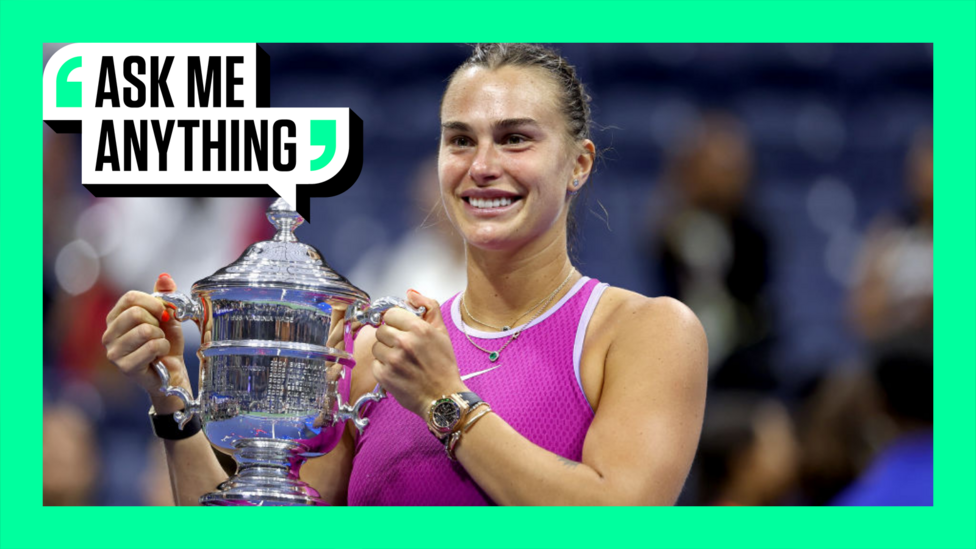
The Price of Glory: What US Open Prize Money Reveals About Tennis
Behind the glittering US Open purse lies a deeper story about who thrives and who merely survives in professional tennis.
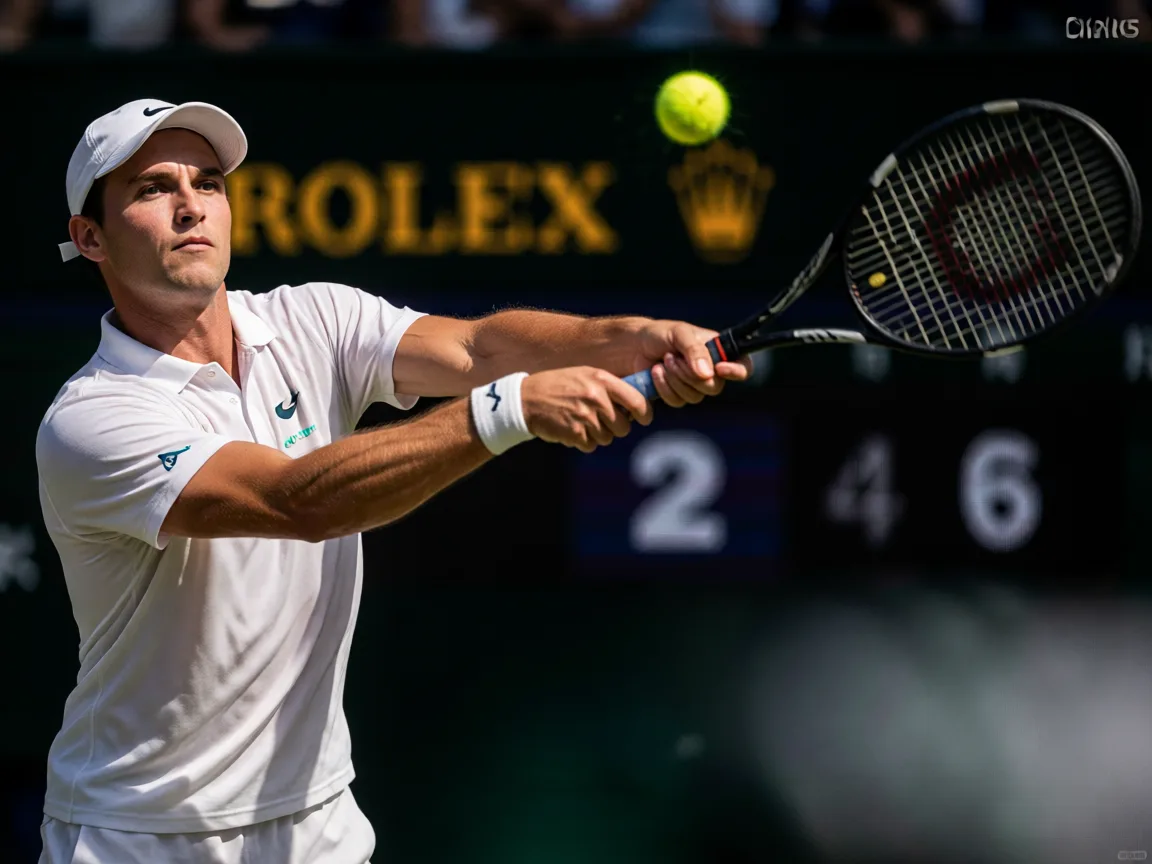
The Wildcard Who Refuses to Yield: Fery's Blueprint for Toppling Zverev
Arthur Fery's astonishing Wimbledon run meets Alexander Zverev. Can the 23-year-old wildcard engineer one final shock?
Guess the Tennis Star: The Art of the Puzzle
A daily trivia game challenges fans to identify tennis stars from minimal clues, but the real test is knowing the legends behind the numbers.