Tuchel's Refereeing Rant Masks A Tournament Where Officials Have Delivered
The England boss's rant stinks of reverse psychology as VAR protocols and on-field decisions have largely held firm under intense tournament pressure.
The Tactical Lens On Tournament Officiating
When Thomas Tuchel emerged from the tunnel after England's victory over Mexico and branded the World Cup refereeing as unreliable, erratic, and not good enough, the immediate temptation was to reach for the nearest officiating ledger and start cataloguing grievances. Strip away the emotion, however, and Tuchel's outburst reads less as a factual officiating assessment and more as a textbook exercise in reverse psychology. The England manager, a coach renowned for micromanaging every controllable variable, has effectively weaponised refereeing criticism to deflect attention from his own squad and manipulate the psychological climate surrounding his team.
To evaluate officiating through a tactical prism, one must separate structural competence from individual error. At this World Cup, the structural framework has functioned largely as designed. Referees have applied the laws with a level of consistency that, while imperfect, has provided teams with a stable enough environment to execute their tactical game plans without the chaos of capricious decision-making.
VAR Integration and The Architecture of Correction
The introduction of Video Assistant Referee technology was never going to eliminate human error, a mathematical impossibility given the subjective nature of countless marginal calls. Instead, the VAR protocol was conceived as a structural safety net, and during this tournament that safety net has held firm. When on-field officials have faltered under the cognitive compression of high-stakes moments, the video review system has demonstrated a encouraging capacity to correct course.
Referees operate within a fundamentally flawed system of perceptual limits. They are asked to process multiple simultaneous occurances in fractions of seconds, tracking off-ball runs, judging tackle timing, and diagnosing foul mechanics. The acceptance that referees, like all participants, cannot achieve perfection is not an exercise in excuse-making but a recognition of cognitive science. What matters structurally is whether the officiating system possesses self-correcting mechanisms, and the evidence from this tournament indicates that it does.
Egypt-Argentina and The Anatomy of Correct Decisions
The Egypt versus Argentina fixture provided an instructive case study in how VAR and on-field officiating can converge to produce the correct outcome despite intense external pressure. Egypt's claims of sporting injustice rang hollow when subjected to forensic scrutiny, because the two critical decisions that swung the match were procedurally sound and technically correct.
The disallowed Egypt goal was a perfect illustration of the modern officiating framework working as designed. Marwan Attia's foul on Lisandro Martínez in the attacking possession phase featured both a discernible shirt pull and, more crucially, the application of studs onto Martínez's right foot. The key conceptual point that escaped many critics was the absence of any temporal ceiling on the attacking possession phase. The foul initiated a chain of possession that directly led to the goal, meaning there is no arbitrary limit on the number of passes the VAR can review within that attacking sequence.
This represents a significant evolution in how officials interpret the attacking possession phase, adding a layer of forensic depth to goal validation that protects the integrity of the sport.
The Procedural Anatomy of a Valid Goal
- Foul identification: Marwan Attia commits a dual infraction (shirt pull + studs contact)
- Attacking possession phase: No time limit or ceiling on passes reviewed
- Goal disallowance: Structurally correct under current VAR protocols
- Argentina's winner: Decision validated through comprehensive review
This sequence demonstrates the capacity of modern officiating protocols to identify and penalise fouls that occur deep in the build-up phase. In previous eras, such infractions would have gone unnoticed, but the current review architecture enables officials to trace the provenance of a goal with forensic precision.
Tactical Shift
The pivotal tactical shift in how we understand tournament officiating lies not in the individual decisions themselves but in the systemic recalibration of refereeing standards. Tuchel's criticism, rather than exposing systemic failures, actually highlights the confirmation bias that distorts evaluations of officiating. When a high-profile coach complains about referees, the media ecosystem amplifies perceived controversies while minimising the hundreds of correct calls that occur across every matchweek.
The statistics tell a different story from the narrative Tuchel attempted to construct. The percentage of key match decisions correctly resolved, when combining on-field calls and VAR interventions, points to a level of officiating competence that compares favourably to previous tournaments. The error rate on truly game-changing decisions has been marginal.
This does not mean officiating has been flawless. There have been moments where referees have mismanaged tempo, failed to apply the advantage law consistently, or shown a reluctance to discipline tactical fouls that disrupt transitional play. These are legitimate areas for improvement, but they do not constitute the systemic failure that Tuchel's rhetoric implied.
The England manager's comments also featured a curious omission. He entirely avoided the reality that VAR has rectified several on-field errors that would have materially affected results. The selective nature of his critique, ignoring corrective interventions while amplifying perceived injustices, is the very hallmark of reverse psychology.
The Bigger Picture
The broader implication of Tuchel's comments extends beyond this World Cup and touches on the psychological governance of elite sport. When coaches of Tuchel's stature publicly undermine referees, they create a perceptual environment that can influence future appointments, pressure match officials, and shape the narrative around their team's performances.
The necessity of external political voices in this conversation remains questionable. The refereeing ecosystem has its own internal accountability mechanisms, and the intrusion of political figures into officiating debates risks politicising decisions that should remain within the sporting jurisdiction. The refereeing community operates within a complex hierarchy of assessment, with every decision scrutinised by FIFA's officiating review panel.
This tournament has demonstrated that the officiating system, while warranting continued refinement, does not require external intervention to function effectively.
What's Next
Looking ahead to the knockout phase of the World Cup, the pressure on officials will only intensify as the stakes escalate. The refereeing assignments for the quarterfinals and beyond will be scrutinised with even greater ferocity, and the capacity of officials to maintain structural consistency under amplified pressure will be severely tested.
For Tuchel specifically, the question is whether his public stance on refereeing will influence how officials approach England's remaining fixtures. There is a calculated risk involved in openly criticising referees: if match officials潜意识 consciously or subconsciously tighten their scrutiny of England's opponents, the tactical gambit will have succeeded. But if officials internalise the criticism and react by adopting a more hands-off approach toward borderline decisions involving England, the strategy could backfire tactically.
The tournament's remaining matches will further stress-test the officiating framework, particularly in scenarios where VAR interventions become decisive in penalty shootout situations. As knockout dynamics compress the margin for error, the self-correcting architecture of modern refereeing will face its most severe examination.
Editorial Integrity
This is an original SportPulse article written by our editorial team. All content is independently researched, written, and reviewed by our writers and editors before publication. We do not publish copied, aggregated, or syndicated content.
SportPulse is committed to original sports journalism. Read our editorial policy or contact us with any questions.
More Like This
All long-reads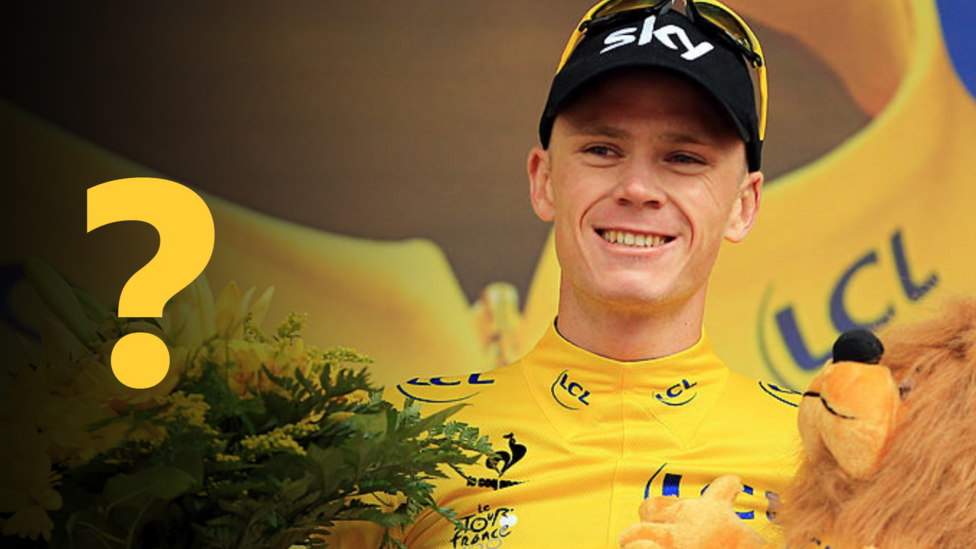
Cycling Royalty: Naming Every Tour de France Winner Since WW2
The 113th Tour de France departs Barcelona on July 4. Before the peloton rolls out, test your grit against the daunting pantheon of post-war Tour winners.
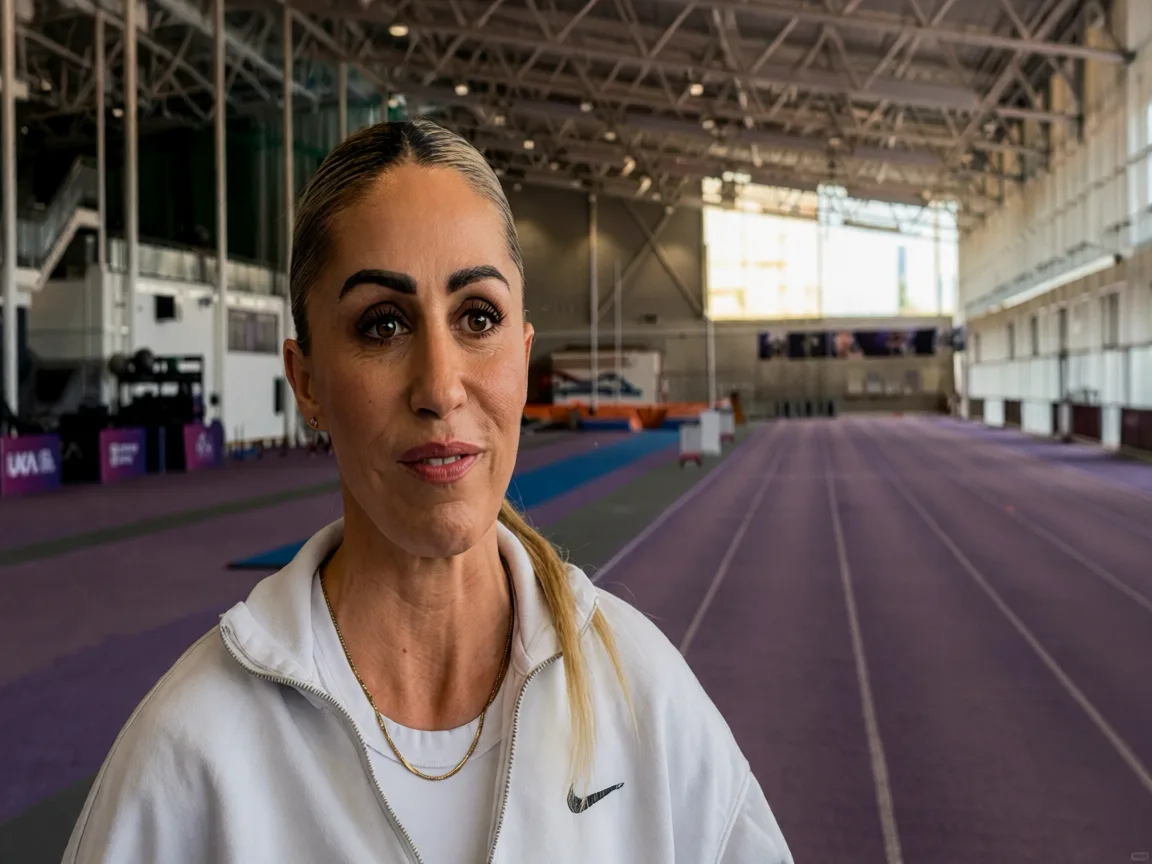
Ali Smith Rewrites Comeback Script After Agony
Two-time Paralympian Ali Smith targets 2026 Commonwealth Return after enduring two miscarriages that threatened to end her career.

Pollock and Caluori Emerge as England's Backline Reinvents Itself
England's 73-8 demolition of Fiji showcased two young talents whose tactical profiles could reshape the national team's attacking identity.