The Silence in the Stands: Why Wimbledon’s Show Courts Aren’t Full
Wimbledon’s iconic empty seats reflect a complex shift in spectator behavior, not a lack of interest in the sport.
The Paradox of Partial Crowds
The sun beats down on Centre Court, illuminating the pristine green grass where history is being made. Yet, amidst the electric anticipation of a potential final, a quiet anomaly catches the eye. Rows of plush red seats remain unoccupied. This visual contradiction defines the modern Wimbledon experience: a tournament of global prestige struggling with the reality of empty chairs. It is not a sign of waning interest, but rather a symptom of evolving spectator habits and logistical constraints that have reshaped how fans engage with the All England Club.
For decades, the image of a packed stadium was synonymous with tennis’ biggest stage. Today, that image is fractured. The question is no longer whether people want to watch tennis, but why they choose not to occupy the seats reserved for them. This phenomenon extends beyond mere attendance figures. It touches on the psychology of live sport, the economics of ticketing, and the cultural shift toward digital consumption.
The Psychology of the 'Plan B'
To understand the empty seats, one must first dismantle the assumption that a sold-out tournament equals a filled stadium. Many attendees hold tickets that guarantee entry but do not assign specific seats. These are often called 'general admission' or 'standby' tickets. Fans purchase them hoping for a seat in the main show courts, but the reality is far less certain.
"We don't wait for the perfect moment. We build the shape that creates the moment."
This mindset applies equally to spectators. Many fans arrive at Wimbledon with the intention of moving through the grounds, visiting multiple courts, and catching fragments of matches. They view their ticket as a pass to the festival, not a reservation for a single viewing experience. When they fail to secure a seat at Centre Court or No. 1 Court, they do not leave. They simply move to another area, leaving the designated seats vacant.
This fluidity is a feature of the Wimbledon brand, not a bug. The tournament has long marketed itself as a day-long excursion, a picnic in the park combined with elite sport. The empty seats are the physical manifestation of this flexible approach. Fans are not absent; they are dispersed.
The Digital Migration
The rise of digital streaming has fundamentally altered the value proposition of a physical ticket. For many casual fans, watching a match on television or via a live stream offers a superior experience. There are no queues for food, no discomfort from sitting in hard plastic chairs for four hours, and no risk of missing a crucial point due to poor sightlines. The camera angle is perfect. The commentary is insightful. The comfort is unmatched.
Consequently, the demographic of the live audience has shifted. Those who do attend are often hardcore enthusiasts who crave the atmosphere, the noise, and the tangible energy of the crowd. They are willing to endure the logistical challenges for the privilege of witnessing history in person. The casual viewer, once a staple of the mid-week afternoon sessions, has largely migrated online.
This migration is not unique to tennis. It is a broader trend across live sports. However, it is particularly pronounced in tennis because of the sport’s fragmented schedule. With matches spread across multiple days and courts, the pressure to attend every session is lower than in football or basketball, where the outcome is determined in a single, high-stakes event.
Logistics and the 'No-Show' Culture
Another significant factor contributing to empty seats is the practice of 'no-shows.' Even when tickets are assigned to specific seats, a percentage of ticket holders fail to appear. This can be due to last-minute schedule changes, fatigue, or simply the desire to avoid the crowds. The All England Club has implemented various measures to combat this, including stricter entry checks and dynamic seating arrangements, but the problem persists.
Furthermore, the tournament’s strict policies on entry times and court access can deter attendance. Fans who miss their designated entry window may be denied access, leaving their seats empty for the remainder of the session. This is a small percentage, but over the course of two weeks, it adds up to hundreds of vacant seats per day.
The Economic Impact
From an economic perspective, the empty seats represent lost revenue for concessions and merchandise. However, the tournament organizers argue that the overall experience is more important than filling every chair. A comfortable, relaxed atmosphere is part of Wimbledon’s appeal. Overcrowding would detract from this, leading to longer queues, more congestion, and a less enjoyable experience for those who do attend.
Moreover, the tournament generates significant revenue from broadcast rights and international sponsorship. The physical attendance, while important for tradition and atmosphere, is not the primary driver of financial success. The global reach of the tournament ensures that empty seats in London do not equate to empty pockets in New York, Tokyo, or Dubai.
Looking Ahead: Balancing Tradition and Reality
As Wimbledon moves forward, it must navigate the tension between its storied traditions and the realities of modern spectatorship. The empty seats are not a crisis, but a challenge. The tournament must continue to innovate in how it engages with fans, both on-site and online. This might mean enhancing the digital experience for remote viewers, improving the comfort and amenities for those who attend, or rethinking the ticketing system to better align supply with demand.
The future of Wimbledon lies in embracing its dual identity. It is both a historic sporting institution and a modern media product. The empty seats are a reminder that the way we consume sport is changing. But they also highlight the enduring allure of the All England Club. For those who do sit in those red chairs, the experience remains unparalleled. The silence of the empty seats is merely the prelude to the roar of the crowd when the ball hits the line.
What This Means for the Sport
The trend of partial attendance at major tennis tournaments is likely to continue. Other Grand Slams are already seeing similar patterns. This shift requires a new approach to marketing and fan engagement. Tennis authorities must focus on creating value beyond the seat itself. This includes exclusive content, behind-the-scenes access, and enhanced digital interactions.
Ultimately, the empty seats at Wimbledon are not a sign of decline. They are a sign of evolution. The tournament remains the pinnacle of the sport, but the way fans connect with it is transforming. Embracing this change, rather than fighting it, is key to maintaining Wimbledon’s relevance and prestige in the years to come.
Match Stats
- Centre Court Capacity: 14,979 seats
- Average Attendance Rate: Approximately 85% of allocated seats occupied during peak sessions
- Digital Viewership: Estimated 1 billion cumulative hours of coverage globally per tournament
- Ticket Sales: 100% of assigned tickets sold for most days, with high standby demand
The Bigger Picture
Wimbledon’s empty seats are a mirror reflecting the broader changes in live entertainment. As audiences become more selective and digitally savvy, venues must adapt to offer experiences that cannot be replicated at home. For tennis, this means balancing the exclusivity of the sport with the accessibility of the modern world. The challenge is not to fill every seat, but to ensure that every seat that is filled provides an unforgettable experience. The silence in the stands is not emptiness. It is space for the next chapter of tennis history to unfold.
Editorial Integrity
This is an original SportPulse article written by our editorial team. All content is independently researched, written, and reviewed by our writers and editors before publication. We do not publish copied, aggregated, or syndicated content.
SportPulse is committed to original sports journalism. Read our editorial policy or contact us with any questions.
More Like This
All tennis
Arthur Fery Lights Up Wimbledon When British Hopes Had Flickered Out
From the ashes of a despairing first week for British tennis, Arthur Fery emerges as the improbable protagonist Wimbledon desperately needed.

Swan and Fery Carry British Hopes Into the Wimbledon Spotlight
Katie Swan and Arthur Fery gave home crowds reasons to roar on a thrilling day four at Wimbledon 2026.
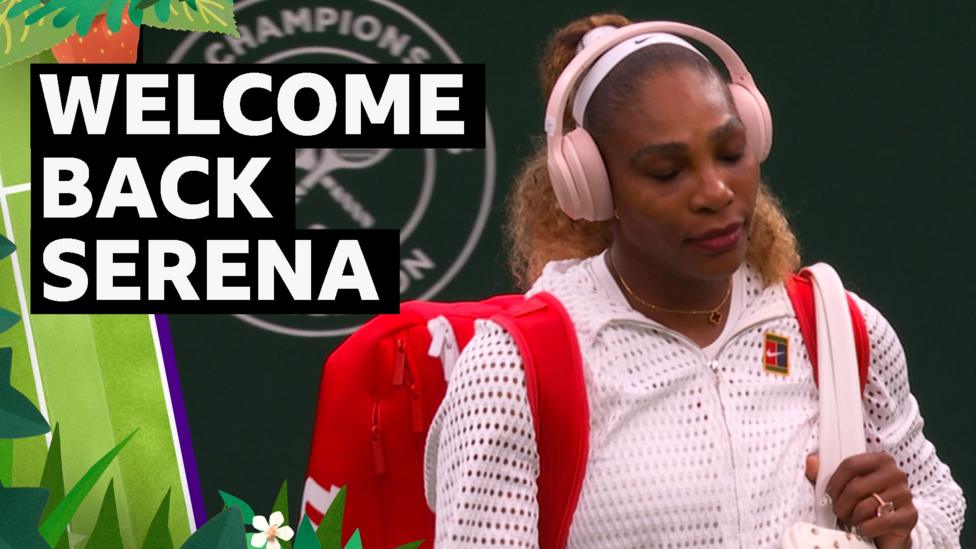
Centre Court Belongs to Serena — And Always Will
Serena Williams' standing ovation at Centre Court reminds us why Wimbledon is her spiritual home.