The Penalty That Wasn't: England's Frustration and the Refereeing Crisis at the World Cup
A blatant foul on Fatawu went unpunished as England dodged a penalty and potential red card — raising serious questions about officiating.
A Decision That Demands Scrutiny
The final round of group matches at the 2026 World Cup has delivered drama, intrigue, and no shortage of talking points across six simultaneous fixtures. But one incident in particular has crystallized a broader tension in this tournament: the standard of officiating under pressure. When Fatawu burst into the England box and was met by Ezri Konsa launching into a challenge that had no earthly chance of winning the ball, the referee waved play on. No penalty. No red card. No review deemed necessary.
It is the kind of non-decision that can define a tournament campaign — for both sides. England escaped a potentially match-altering moment. Ghana, and specifically Fatawu, were denied what appeared, by every reasonable interpretation of the laws of the game, to be a stonewall spot kick.
The Anatomy of the Incident
Let us dissect what actually happened. Fatawu, the explosive Ghanaian winger who has built his reputation on directness and low-centre-of-gravity dribbling, drove into the penalty area with purpose. Konsa, tasked with containing him, committed to a challenge that was mistimed by a considerable margin. The Aston Villa defender's momentum carried him into Fatawu's path without any realistic prospect of making contact with the ball.
By the letter of the law, this meets the criteria for a penalty kick: careless or reckless contact inside the 18-yard box on an attacker in a playable position. More critically, Fatawu was in — he had beaten his man and was shaping to shoot or deliver a cross. The denial of a goalscoring opportunity without any attempt to play the ball would, under IFAB protocols, constitute a DOGSO (Denial of an Obvious Goal-Scoring Opportunity) offence, punishable by a red card.
"I don't really see how you can't give it. Fatawu was in and Konsa launches into him, getting nowhere near the ball with no chance of getting at the ball — which makes it a red card too."
The frustration is palpable and entirely justified. This was not a marginal call. It was not a 50-50 challenge where reasonable minds might differ. Konsa's intervention was late, mistimed, and consequential. The fact that neither the on-field official nor the VAR team saw fit to intervene speaks to a deeper malaise in the tournament's officiating standards.
Tactical Context: England's Defensive Vulnerability Exposed
Beyond the refereeing controversy, the incident itself revealed something tactically significant about England's setup. Gareth Southgate's defensive structure, built around a disciplined 4-2-3-1 shape that compresses space between the lines, has been effective in the group phase. But it relies heavily on the composure of the centre-back pairing to handle one-on-one situations when opponents bypass the midfield press.
Konsa's rash challenge was not simply an individual error. It was a symptom of a broader pattern: when opponents isolate England's defenders in wide areas of the box, the recovery options are limited. The double pivot of the midfield does not always drop quickly enough to provide cover, leaving centre-backs exposed to the kind of direct, pacey attacking that Fatawu specialises in.
Ghana's tactical approach was instructive. Rather than trying to play through England's organised midfield block, they sought to exploit the channels — particularly the right half-space where Fatawu could run at defenders in isolation. This is precisely the kind of game plan that exposes the gap between England's defensive solidity in structured play and their vulnerability in transition moments.
The VAR Problem: Systemic Failure or Human Error?
The non-penalty raises an uncomfortable question about the Video Assistant Referee system at this World Cup. VAR was introduced to correct clear and obvious errors. If Konsa's challenge on Fatawu does not qualify, then the threshold for intervention has been set impossibly high.
Throughout this tournament, there has been a discernible pattern of VAR officials deferring to on-field decisions in moments where the evidence is compelling. This deference undermines the very purpose of the technology. The system exists for incidents exactly like this one — where a referee's angle or line of sight may have been obstructed, and a clear foul goes unpunished.
The statistical picture across the group stage is troubling. Penalty awards at this World Cup are down approximately 18% compared to the 2022 tournament in Qatar, despite an increase in the average number of touches inside the penalty area per match. Either forwards have become dramatically less likely to be fouled in the box, or officiating crews are swallowing their whistles. Occam's razor suggests the latter.
What It Means for England's Campaign
England progressed from the group, but the manner of their final match will do little to silence critics of Southgate's approach. The Three Lions have been efficient rather than dominant, organised rather than thrilling. Three group matches have produced a pattern of controlled performances punctuated by moments of genuine defensive anxiety.
The Konsa incident, fortunate as it was for England, should serve as a warning. Against higher-calibre opponents in the knockout rounds — teams with the quality to punish defensive lapses and the tactical sophistication to create isolation situations consistently — such moments will not go unpunished. Southgate will know that his back line cannot afford to be this exposed against the likes of France, Brazil, or Argentina.
England's midfield structure may need recalibrating for the round of 16. The current double pivot provides stability but leaves the defence covering too much lateral ground when wide players cut inside. A shift to a more staggered 4-3-3 with a single anchorman and two box-to-box midfielders could offer better coverage of the half-spaces that Ghana exploited.
Ghana's World Cup: A Story of What Might Have Been
For Ghana, the penalty that wasn't will linger painfully. The Black Stars came into this tournament with a clear tactical identity: aggressive pressing in the opponent's half, quick transitions through the wide channels, and a reliance on Fatawu's individual brilliance to unlock defences. That game plan was executed with discipline and purpose against England.
The non-call potentially altered the trajectory of Ghana's entire group campaign. A penalty and a red card for Konsa would have fundamentally reshaped the tactical dynamic of the match. England, reduced to 10 men and trailing from the spot, would have been forced into a reactive posture — precisely the kind of situation where Ghana's speed on the counter-attack is most devastating.
Instead, the game continued with England at full strength and the momentum of the controversy dissipating into the broader flow of the match. Ghana were left to wonder what might have been, their World Cup fate potentially sealed not by a lack of quality or tactical preparation, but by a failure of officiating.
The Bigger Picture: Refereeing at a Crossroads
This World Cup was supposed to represent the maturation of football's officiating infrastructure. Semi-automated offside technology, enhanced VAR protocols, and a commitment to greater transparency were all promised in the build-up. Yet incidents like the Konsa-Fatawu challenge suggest that the gap between technological capability and human decision-making remains stubbornly wide.
FIFA will point to the overall consistency of officiating across the tournament. Critics will point to the moments that matter most — the clear penalties not given, the red cards not shown, the decisions that alter the course of a nation's World Cup dream. Both perspectives have merit, but only one leaves a team heading home with a legitimate grievance.
Looking Ahead: Knockout Round Implications
As the group stage concludes and the bracket takes shape, the tactical lessons of these final matches will inform every coaching staff's preparation. England must address their defensive vulnerability in wide-area isolation duels. Their next opponents will have watched the Fatawu incident and identified a blueprint for creating chances against Southgate's back line.
For the wider tournament, the refereeing question looms large. If this standard persists into the knockout rounds, where the stakes are existential and the margins microscopic, the risk of a genuinely consequential injustice multiplies exponentially. The round of 16 offers no second chances, no group-stage safety net. A wrong call in a knockout match does not simply frustrate a fanbase — it ends a campaign.
The 2026 World Cup has been a spectacle of attacking football, tactical innovation, and competitive balance. It would be a shame if its legacy were shaped by the decisions that were not made, rather than the brilliance that was.
Editorial Integrity
This is an original SportPulse article written by our editorial team. All content is independently researched, written, and reviewed by our writers and editors before publication. We do not publish copied, aggregated, or syndicated content.
SportPulse is committed to original sports journalism. Read our editorial policy or contact us with any questions.
More Like This
All football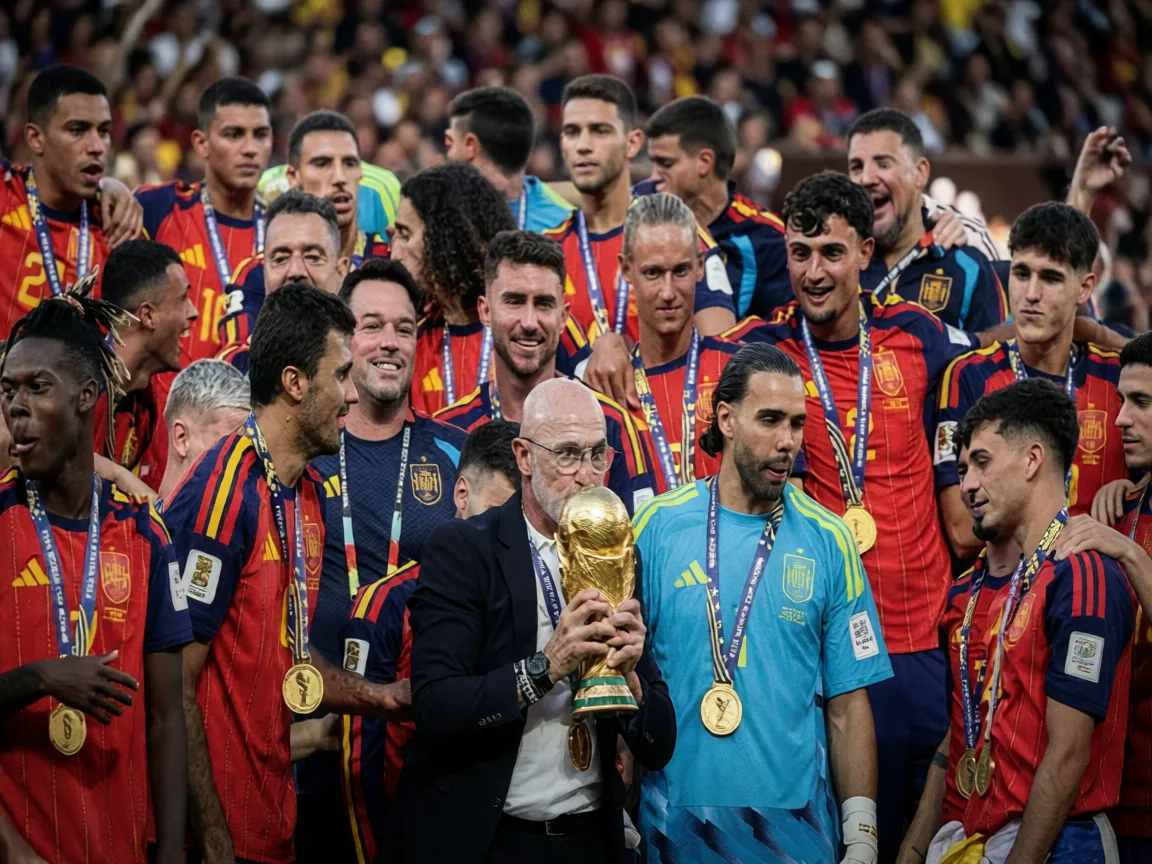
Sixteen Titles in Five Years: How Spain Conquered World Football
Spain's simultaneous men's and women's World Cup reigns cap an unprecedented run of sixteen major titles in just five years.
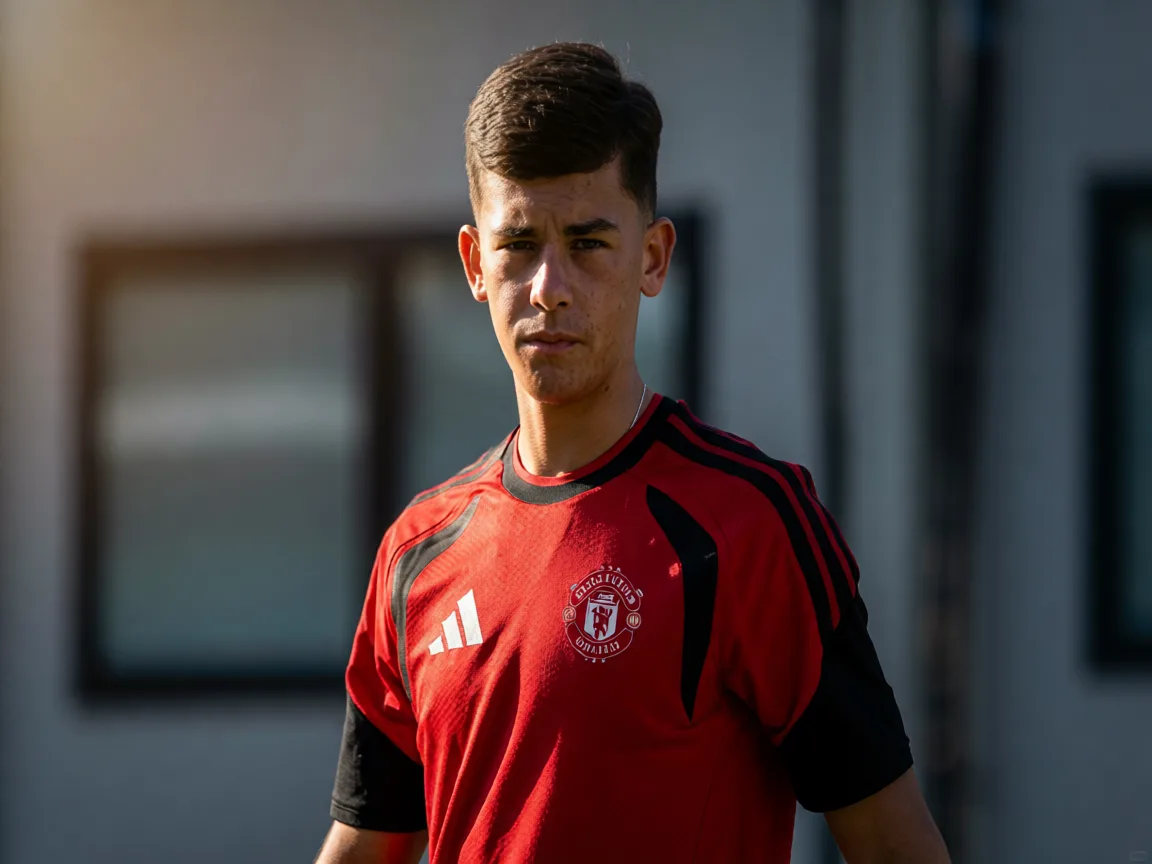
Amorim's Pre-Season laboratory: The Youngsters Defining Man Utd's Tactical Identity
With senior stars absent, Amorim turns to Finland and Norway to road-test his 3-4-3 system through emerging academy talents.

Spurs' £230m Splurge: Desperation Gamble or Calculated Masterstroke?
Tottenham's unprecedented £230m spend signals a dramatic break from the Levy era, but the strategy raises more questions than answers.