215 Goals, 72 Matches: What the 2026 World Cup Group Stage Numbers Reveal
The expanded 48-team group stage delivered nearly three goals per game. Here's what those numbers mean tactically.
A Tournament That Refused to Sit Back
The numbers alone demand attention. 215 goals across 72 group-stage matches in 16 host cities, involving 48 teams competing for the first time in a World Cup of this scale. That is a goals-per-game average of roughly 2.99, a figure that sits comfortably above the historical World Cup mean and suggests something fundamental about how this expanded tournament has been contested.
When FIFA ratified the move from 32 to 48 participants, sceptics feared a dilution of quality, a parade of low-block defensive stalemates between nations who had no business sharing a stage with the traditional elite. The group stage told a different story. Whether by tactical design or competitive desperation, teams came to attack. And the spectacle rewarded them for it.
The Expanded Format: More Games, More Openness
The arithmetic of the 2026 format is worth pausing over. 12 groups of four teams, each playing three matches, producing exactly 72 fixtures before a ball is kicked in the knockout rounds. That is 24 more group matches than the previous format delivered. More games meant more opportunities for goals, but the rate itself is what stands out.
Historically, World Cup group stages have tended toward caution. The 2022 tournament in Qatar produced a goals-per-game figure around 2.5 during the group phase. The 2018 edition in Russia hovered near 2.6. The 2026 group stage smashing through the 2.99 barrier suggests something deeper than simply having more fixtures. Teams, particularly those from nations that historically sit deep and absorb pressure, appear to have adopted more proactive tactical frameworks.
This tracks with a broader trend in international football. The influence of club-level tactical education has filtered upward. Coaches at national team level now deploy pressing triggers, rest defence structures, and positional play principles that were once the preserve of elite European club sides. The result is a World Cup where even the so-called smaller nations arrive with a tactical identity rather than a purely reactive survival plan.
What the Numbers Tell Us About Defensive Structures
215 goals in 72 matches means defences were breached at an alarming rate across the board. In a typical World Cup group stage, you expect a cluster of cagey 1-0 and 0-0 results involving evenly matched mid-tier sides. Those matches were rarer in 2026.
Several factors likely contributed. First, the expanded field brought in nations whose defensive organisation does not yet match the sophistication of their attacking intent. Teams qualifying for the first time, or returning after long absences, often prioritise front-foot football as an identity statement. The tactical cost is predictability in transition defence, which elite forwards punish ruthlessly.
Second, the heat and scheduling demands across 16 venues spread across three countries created uneven physical conditions. Fatigued pressing structures break down. Tired legs lose the duels in the penalty area. The goal count reflects a tournament where physical preparation was as decisive as tactical setup.
Third, and perhaps most interesting from a coaching perspective, is the effect of third-match group dynamics. With 48 teams and only two advancing from each group (plus the best third-placed finishers across all pools), there were more final matchdays where at least one team needed a result. Desperation breeds attacking commitment. Attackers feast on open games.
The Coaching Philosophies on Display
The group stage offered a fascinating snapshot of where international coaching stands in 2026. European sides, as expected, leaned heavily on the positional play doctrines that dominate the Champions League. Structured build-up through the thirds, fullbacks tucking into midfield, and false nine rotations were all visible from the opening round of fixtures.
But the tactical diversity extended well beyond Europe. South American teams brought their characteristic blend of direct verticality and individual brilliance, often bypassing the midfield press entirely with long diagonal switches that stretched defensive shapes horizontally before attacking the space behind.
African and Asian representatives, many benefiting from coaches with deep European club experience, showed a growing tactical sophistication. The days of relying purely on pace and physicality in international tournaments are fading. Several sides from these confederations demonstrated clear rest defence principles, ensuring they maintained structural integrity even during sustained attacking phases.
The tactical picture was not uniformly positive, of course. Some matches descended into chaos, particularly in the second round of group fixtures when the stakes began to crystallise. But the overall trend was toward proactive, structured football rather than the grim attritional affairs that plagued earlier expanded tournaments at continental level.
"The modern international player arrives at a World Cup having already absorbed three or four different tactical systems at club level. They are tactically literate in a way previous generations were not. That changes what is possible for a national team coach." — A recurring theme in coaching analysis throughout the group stage
Tactical Shift: The High Press as Universal Language
The most striking tactical development of the group stage was the near-universal adoption of high pressing as a baseline strategy. Even teams that lacked the individual quality to sustain it for 90 minutes attempted aggressive pressing sequences, particularly in the opening 15-20 minutes of each half.
This is a significant departure from World Cup norms. In previous editions, the default posture for underdogs was a deep, compact block designed to frustrate superior opponents and spring counter-attacks. The 2026 group stage saw that calculus shift. Coaches reasoned that sitting deep against technically gifted opponents was a losing strategy anyway, so why not at least attempt to disrupt their build-up at source?
The results were mixed but instructive. When pressing structures held, matches became thrilling end-to-end contests. When they broke down, the gaps left behind were catastrophic. This binary outcome, brilliant attacking football or defensive collapse with nothing in between, is what inflated the goal tally so dramatically.
The tactical lesson for the knockout rounds is clear: the teams that can calibrate their pressing intensity, engaging high when conditions allow and dropping into a mid-block when fatigued, will be the ones still standing in the later rounds. All-or-nothing pressing works in a group stage where one loss is survivable. In a knockout match, the margins are unforgiving.
The Quiz Culture: Why Fans Crave the Details
It is telling that a World Cup group stage quiz, the kind Richard Foster has been producing daily on the Seventh Heaven app, resonates so strongly with the audience. The sheer volume of football across 16 cities and 72 matches means that even dedicated viewers inevitably miss moments, details, and narratives.
This is a World Cup where information overload is a genuine challenge. With matches kicking off across multiple time zones and venues, tracking every tactical shift, every substitution pattern, and every set-piece routine is impossible for the casual observer. The quiz format addresses this by rewarding the fans who did the work, who watched the obscure Group G fixture at 3pm on a Tuesday and noticed the inverted fullback or the clever pressing trap.
Foster's work on the It Started With A Kick podcast and through the Seventh Heaven platform speaks to a growing appetite for granular football content. Fans no longer just want to know who won. They want to understand how and why. The group stage of this World Cup gave them an enormous canvas to study.
By the Numbers: Group Stage Statistical Snapshot
- 215 goals in 72 matches across 16 host cities
- Goals-per-game average of approximately 2.99, among the highest for a World Cup group stage in the modern era
- 48 teams participated, the largest field in World Cup history
- 12 groups of four, with the top two from each group plus the best third-placed teams advancing
- Matches were spread across three host nations, creating significant logistical variation in conditions
What Comes Next: Knockout Round Tactical Outlook
The knockout rounds will test the tactical foundations that produced such an entertaining group stage. The equation changes fundamentally when elimination is on the line. Coaches who were willing to gamble in the group phase, accepting defensive vulnerability in exchange for attacking potency, will face a stark choice: maintain the philosophy that got them here or revert to the pragmatic conservatism that knockout football historically rewards.
The most intriguing tactical subplot is how teams that pressed relentlessly in the group stage manage the physical toll across a longer tournament. The best pressing teams in European club football rotate extensively during a season. National team coaches do not have that luxury. Recovery between knockout matches is tighter, and the emotional intensity of elimination football accelerates fatigue.
Watch for the mid-block transition. Teams that played a high defensive line in the group stage will face opponents who specifically target the space behind that line with direct balls over the top. The coaching chess match between pressing commitment and defensive pragmatism will define the remainder of this World Cup.
The 215 goals were a gift to neutrals. Whether that attacking generosity survives the ruthless logic of knockout football is the question every tactical observer wants answered. If even half the proactive intent from the group stage carries through, the 2026 World Cup is set for a knockout phase that matches the drama of its extraordinary opening act.
The Seventh Heaven football quiz app, available on Apple and Google Store, features daily World Cup questions. Richard Foster's It Started With A Kick podcast covers football history and culture throughout the tournament.
Editorial Integrity
This is an original SportPulse article written by our editorial team. All content is independently researched, written, and reviewed by our writers and editors before publication. We do not publish copied, aggregated, or syndicated content.
SportPulse is committed to original sports journalism. Read our editorial policy or contact us with any questions.
More Like This
All football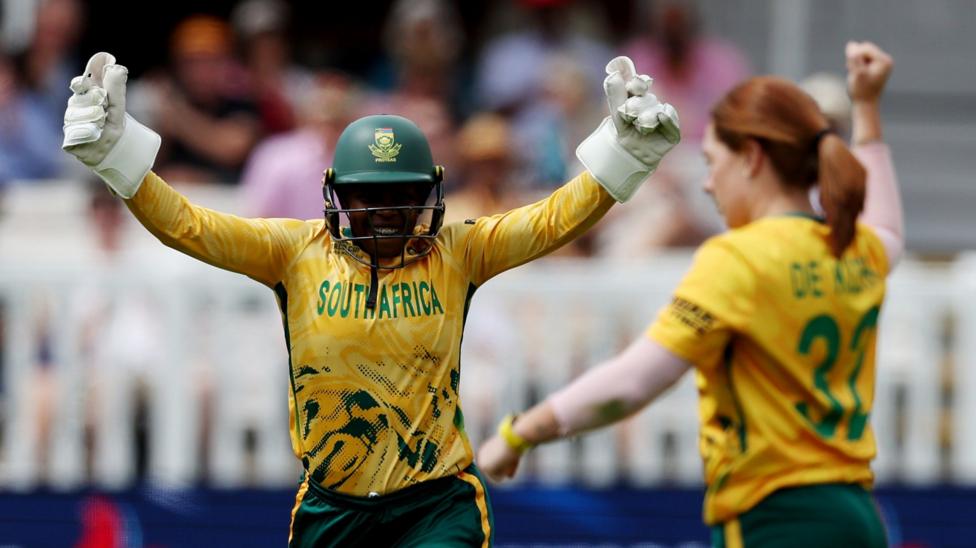
South Africa Stutter Past Bangladesh to Turn Heat on India
South Africa overcame their own dysfunction at Lord's to edge Bangladesh, shifting the T20 World Cup semi-final pressure squarely onto India.

The Pants Rule: How Football's Weirdest Rituals Actually Work
Footballers endure bizarre pre-match routines from lucky pants to fixed seating charts, believing each ritual edges them closer to victory.
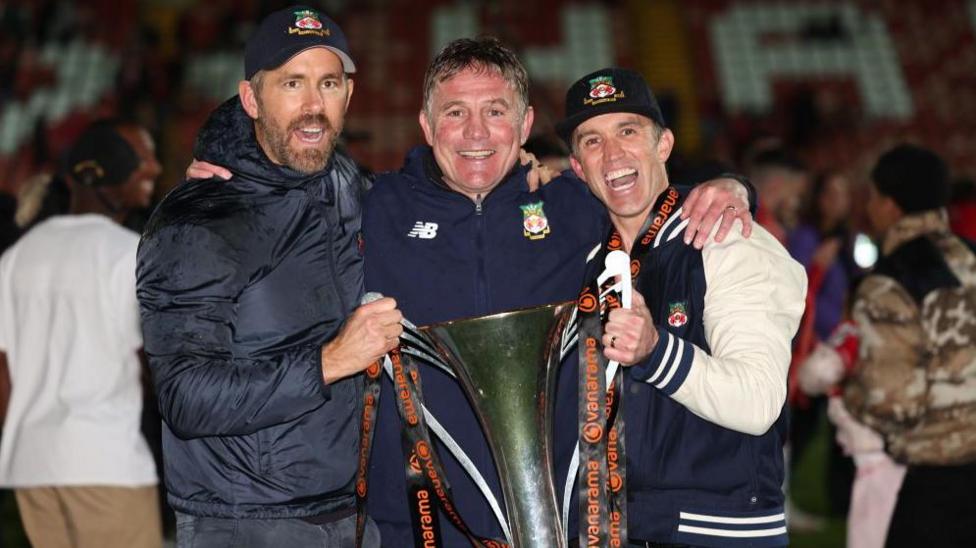
Parkinson Marks Five Years at Wrexham With unfinished Business
Phil Parkinson reflects on a transformative five-year reign at Wrexham, but warns the Hollywood-backed revolution is far from over.