Controversy Decides Magic Weekend Derby as Hull KR Break FC Hearts
Hull KR's 26-12 Magic Weekend win over Hull FC hinged on a contentious Jai Whitbread try that exposed rugby's officiating crisis.
A Derby Decided by Doubt
Hull KR's 26-12 victory over Hull FC at the Magic Weekend will be remembered not for its tactical sophistication but for the officiating controversy that fundamentally altered its trajectory. The headline moment arrived in the form of a Jai Whitbread try that defied the laws of physics, let alone rugby logic. What should have been a celebration of the SportPulse Super League's flagship event instead devolved into another referendum on the sport's inability to get its biggest moments right.
The broader narrative is arguably more damaging than the singular incident. A derby that had paused Hull KR's momentum and breathed life into a struggling Hull FC was effectively curated by an officiating decision that left one set of fans furious and the other relieved but quietly embarrassed. The defending champions didn't need the help. They received it anyway.
Whitbread Flashpoint
The incident that will dominate post-match analysis for weeks occurred in the second half when the contest was still very much in the balance. Whitbread, the KR forward, appeared to benefit from a sequence of refereeing decisions that bordered on the absurd. Replays suggested the try should never have been awarded, yet the officials, equipped with the full suite of modern technology, somehow contrived to reach the most implausible conclusion.
This wasn't a marginal call. It was the kind of decision that makes you question whether the review system serves any purpose if those operating it cannot apply basic visual judgment. The try extended KR's lead at a moment when FC were building genuine momentum and threatening to make a contest of it.
The Context That Mattered
- The scoreline had read 12-12 at a critical juncture, a far more competitive state than most pre-match predictions had anticipated.
- Hull FC had absorbed significant pressure and were beginning to find territorial footholds through their kicking game.
- The Whitbread try shifted the scoreboard to 18-12 and effectively broke the resistance of a side that had given everything defensively.
- KR's ability to close out the contest with 26 points total flattered their overall performance relative to the actual balance of play.
The Magic Weekend is supposed to showcase rugby league at its most dramatic and competitive. Instead, it became another platform for the officiating debate to overshadow everything else on the field.
Tactical Snapshot
Strip away the controversy and the tactical picture reveals a fascinating contest between two sides operating at contrasting stages of their competitive cycles. KR, as defending Super League champions, carried the weight of expectation and the burden of a target on their backs. FC arrived with nothing to lose and everything to prove—a dangerous combination that nearly produced the upset of the round.
The first half was characterised by KR's territorial dominance without the clinical edge to match it. They created opportunities through their characteristic width and ball movement, reaching the 12-point mark through structured attack. Yet FC's defensive resilience, particularly in the trenches, kept themargin manageable and provided a platform for their own offensive contributions.
FC's equalising try demonstrated their psychological resilience during a challenging period for the club. Cumulative pressure eventually told, but it required the worst kind of assistance to truly break the deadlock.
Defensive Frailty Exposed
Despite the respectable 12-point return, FC's defensive vulnerabilities were still evident in the moments that mattered. KR's third try, the contentious Whitbread effort, exposed a defensive line that had been holding firm through sheer force of will rather than systematic organisation.
The final scoreline of 26-12 suggested a comfortable afternoon for the champions. The reality was anything but. FC's effort and application deserved more than the 12 points they returned, but the sport's inability to officiate its own laws ensured the wrong narrative emerged.
Instant Reaction
The aftermath was predictable and deeply frustrating. The officiating system in rugby league has reached a breaking point that demands urgent structural resolution. When technology is present specifically to correct clear and obvious errors, its failure to do so represents a fundamental betrayal of the competitive contract between teams and the sport.
KR, to their credit, did what champions do: they found a way to win. But the asterisk attached to this victory will linger. Success achieved under a cloud of controversy, however undeserved the criticism may be given the officiating failure was entirely external, carries a weight that subsequent performances must address.
For FC, the frustration will be palpable but must be channeled constructively. They went toe-to-toe with the competition's benchmark and matched them for large spells. The 14-point margin doesn't reflect their contribution. The narrow gap between respectable defeat and famous upset was effectively widened by a decision they had no control over.
Degrees of Separation: Magic Weekend Impact
- Competitive integrity eclipsed: Officiating failures at marquee events damage the product more than at regular fixtures.
- Psychological damage to FC: A performance that deserved greater reward instead yielded another painful defeat to their closest rivals.
- KR's championship mentality tested: The champions demonstrated resilience but were ultimately beneficiaries of external intervention.
- Magic Weekend brand undermined: The event exists to showcase the sport; it instead showcased its administrative shortcomings.
Road Ahead
For KR, the outlook remains positive despite the controversy. A 26-12 derby win preserves their momentum and maintains their position among the competition's elite. The defending champions continue to find ways to secure results, even when the performances don't quite match their peak standards. Their challenge now is to ensure future victories are remembered for the right reasons.
For FC, the outlook is more complex. Moral victories count for nothing in the standings, but the performance level demonstrated here suggests a foundation exists to build upon. The coaching staff will need to extract the positives from this display while addressing the defensive frailties that ultimately proved decisive. The gap between them and the competition's summit remains substantial, but it narrowed in defeat, an outcome that speaks volumes about their effort.
Verdict on the System
The wider issue cannot be ignored any longer. Super League's officiating standards have been a persistent concern, but moments like this one crystallise the problem in a way that abstract criticism cannot. When the governing body presents its flagship event and the officiating becomes the central talking point, the sport has a problem that extends beyond individual referees.
The bottom line is that Hull KR were the better side across the full duration, but they weren't 14 points better on the balance of play. The Magic Weekend deserved a contest decided by the players. It got one decided by the officials. Rugby league deserves better, and the Defending champions deserve to have their victories celebrated without qualification.
The season continues, but the shadow of this weekend will linger over both clubs and the competition's administrators. For the sport's sake, the response must be structural rather than cosmetic.
Editorial Integrity
This is an original SportPulse article written by our editorial team. All content is independently researched, written, and reviewed by our writers and editors before publication. We do not publish copied, aggregated, or syndicated content.
SportPulse is committed to original sports journalism. Read our editorial policy or contact us with any questions.
More Like This
All football
FIFA's Deafening Silence on Quansah Ban Exposes Disciplinary Black Box
FIFA's disciplinary chief refuses to explain England's Quansah ban, exposing a secretive process eroding trust in football's justice system.

Croke Park Braces for Hurling Semi-Final Weekend of Reckoning
The All-Ireland SHC semi-finals descend on Croke Park this weekend with provincial glory proving a deceptive predictor of September success.
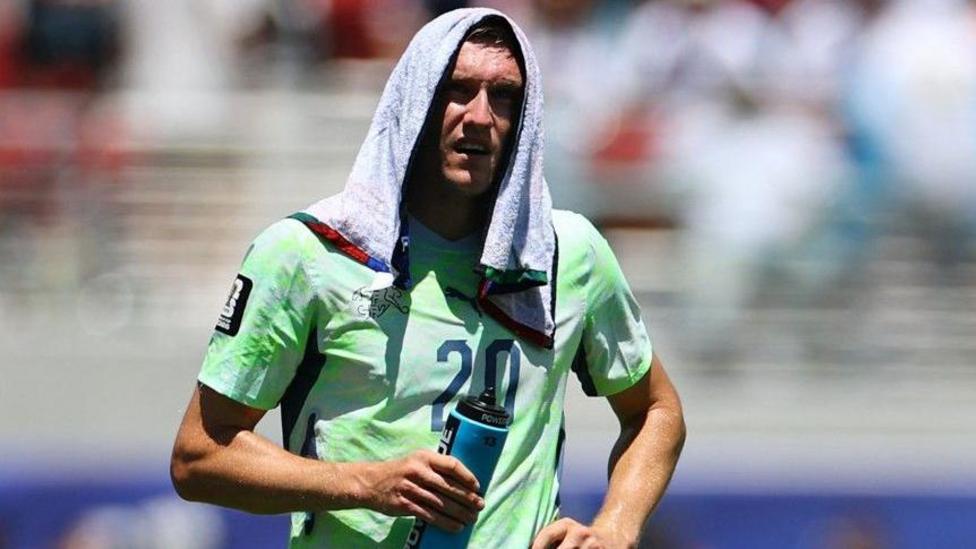
The Water Break Paradox: How 90 Seconds Reshape World Cup Tactics
Mandatory hydration breaks are more than a health measure — they are a tactical weapon that rewards certain coaches and punishes certain styles.