Silverstone Storm: 2026 British GP Preview and Watch Guide
The 2026 regulations meet British weather at Silverstone in a weekend where aero efficiency will decide the championship.
title: "Silverstone Storm: 2026 British GP Preview and Watch Guide"
category: f1
badge: Race Reports
badgeType: category
author: Jake Morrison
authorRole: F1 Race Reporter
authorInitials: JM
date: 2026-06-30
readTime: 5 min read
image: https://images.unsplash.com/photo-1574629810360-7efbbe195018?auto=format&fit=crop&w=1920&q=80
imageAlt: Aerodynamic F1 car speeding through Copse Corner under grey British skies during practice sessions.
tags: Formula 1, British Grand Prix, Silverstone
excerpt: "The 2026 regulations meet British weather at Silverstone in a weekend where aero efficiency will decide the championship."
The Green Flag Drops on a New Era
The engines roar before the sun has fully burned off the morning mist. It is Saturday, July 18, 2026. The air at Silverstone is thick with humidity and anticipation. This is not just another round on the calendar. This is the ninth Grand Prix of the 2026 season. It is the first major test of the new era’s aerodynamic philosophy on a track that demands mechanical grip and high-speed stability.
The lights will go out at 15:00 BST. But the real story began hours earlier. The paddock is buzzing with a different energy. The cars look sharper, lower, and significantly quieter yet more powerful. The 2026 regulations have stripped away the excess drag of the past decade. What remains is pure, unadulterated speed. Silverstone, with its high-speed corners like Copse and Maggotts, is the perfect laboratory to measure this new beast.
The Tactical Battleground & Key Storylines
Silverstone is a circuit of rhythm. It is not about braking zones; it is about momentum. In 2026, the energy recovery systems (ERS) have been redefined. The deployment windows are tighter. The thermal management of the batteries is critical. Teams that can manage heat dissipation while maintaining peak power output will dominate the straight. Teams that cannot will suffer in the top speed tests on the Hangar Straight.
The tire strategy is equally complex. Pirelli have now confirmed the specific tyre compounds that will be in use for the British Grand Prix. These compounds are designed to withstand the lateral G-forces of the Stowe and Club corners. We expect a one-stop strategy to be the baseline. However, the variable British weather introduces chaos. A sudden shower can turn a calculated pit stop into a gamble for survival. The pit lane window is narrow. Miss it by three seconds, and you are stuck behind traffic. Hit it too early, and you lose pace on fresh rubber.
This strategic complexity is woven into five critical storylines for the weekend:
- Driver Form & Pressure: Can championship leader Alex Moreira maintain his points advantage on home soil, or will the weight of expectation from British fans affect his performance? His consistency has been his strength.
- Team Strategy Divergence: Will Red Falcon Racing continue their aggressive undercut strategy, or will they switch to an overcut to manage tire wear better on the abrasive surface? Their pit wall has been the best so far this season.
- The Windy Conditions: A major technical talking point. The new aerodynamic regulations make the cars more sensitive to crosswinds, especially through the high-speed sweeps. Teams are running different rear wing specifications during practice to find the optimal balance between stability on the Hangar Straight and grip through Maggotts and Becketts.
- Upgrade Packages: Several teams have brought significant aerodynamic updates. The focus is on improving the efficiency of the underfloor tunnels to generate more consistent downforce in the yawed conditions created by cornering. This is a direct response to the 2026 rule set.
- The Rookie Challenge: How will the series' leading rookie, Kai Tanaka, handle his first F1 experience at Silverstone? His team is known for excellent car setup, which could make him a dark horse for points.
"We are seeing a new balance between downforce and drag. The cars are faster, but they are also more sensitive to the wind. Silverstone is a track where you feel every gust." — Team Principal, Pre-Race Press Conference
The Championship Picture
The standings are tight. After eight races, the Constructor’s Championship is separated by mere points. The battle is not just for the win; it is for psychological dominance. Silverstone is a home race for several teams. The pressure from the local fans is immense. The noise in the grandstands is deafening. This energy can fuel a driver or crush a team. History shows that Silverstone often produces surprise results. The aerodynamic sensitivity of the new cars means that even a small error in setup can lead to a significant loss of time.
How to Watch and When to Tune In
For those tracking the action, the schedule is precise. The weekend follows a traditional format but with extended evening sessions to accommodate global audiences. Here is the definitive timetable for the British Grand Prix at Silverstone.
-
Friday, July 17:
- Practice 1: 12:30 BST - 13:30 BST. The first look at the new cars. Expect setup changes and tire testing.
- Practice 2: 16:00 BST - 17:00 BST. Longer runs. Qualifying simulation begins. Watch for long-run pace.
-
Saturday, July 18:
- Practice 3: 11:30 BST - 12:30 BST. Final adjustments. Track temperature is rising. Grip levels will be critical.
- Qualifying: 15:00 BST - 16:00 BST. The knockout format. Q1, Q2, Q3. Pole position is everything at Silverstone. The straight-line speed advantage gained here is hard to recover.
-
Sunday, July 19:
- Race: 15:00 BST - 17:00 BST. The main event. 52 laps. The distance covers approximately 306.198 kilometers. The race starts with a green flag and ends with a checkered one. Broadcast coverage begins at 14:00 BST with pre-race analysis.
Streaming Note: For comprehensive coverage, including team radios and onboard angles, F1 TV Premium will provide a dedicated stream with enhanced graphics showing real-time energy deployment and tire degradation data.
What to Watch For
The key metric for this weekend is cornering speed. The new floor designs allow for higher downforce with less drag. Drivers who can carry speed through the esses will gain significant time. Look for overtaking opportunities on the exit of Copse and into Luffield. These are the prime passing spots. The DRS zone is effective here due to the high speeds.
Another factor is tire degradation. The new compounds are more durable, but the abrasive surface of Silverstone wears them down quickly. Teams must balance stint length with lap time. A two-stop strategy is possible if the rain intervenes. The meteorological forecast suggests a 40% chance of precipitation for Sunday. This uncertainty adds a layer of strategic depth.
Race Verdict
The MVP candidate is the team that masters the thermal management of their hybrid power units. The car that stays cool under pressure will stay fast under pressure. The biggest disappointment will be any team that fails to adapt to the aero sensitivity of the new regulations. Silverstone punishes instability. If a car is twitchy at high speed, it will cost tenths of a second per lap. Over 52 laps, those tenths add up to positions.
Championship Outlook
This race is a pivotal moment in the 2026 season. A victory here could shift the momentum for the rest of the summer break. The teams will head to the Hungaroring with renewed confidence or heightened anxiety. The points gap is slim. Every position gained at Silverstone is worth double in the long run. The battle for the title is no longer just about speed; it is about consistency, strategy, and resilience. The British Grand Prix is where legends are made. Watch closely.
Updated: 2026-07-01 — Added confirmation of specific Pirelli tyre compounds for the 2026 British Grand Prix; updated key storylines and streaming guide.
Editorial Integrity
This is an original SportPulse article written by our editorial team. All content is independently researched, written, and reviewed by our writers and editors before publication. We do not publish copied, aggregated, or syndicated content.
SportPulse is committed to original sports journalism. Read our editorial policy or contact us with any questions.
More Like This
All f1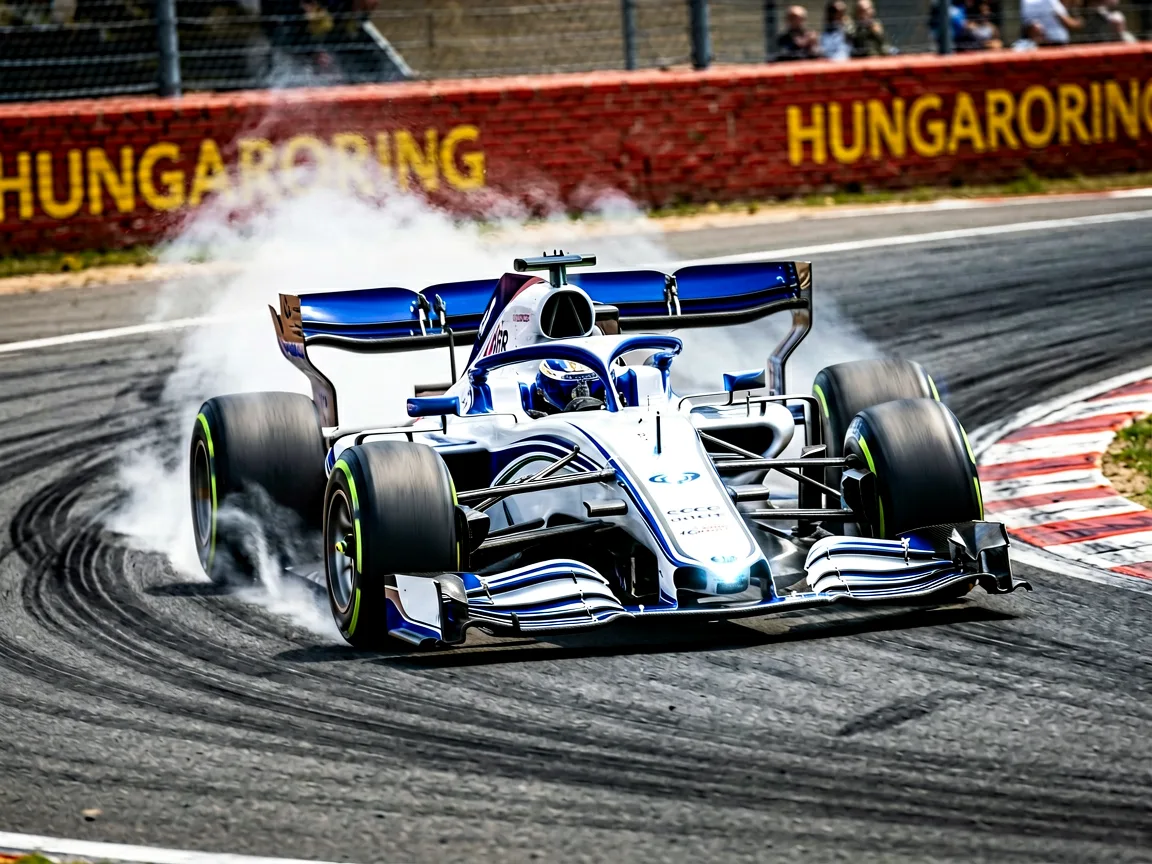
Why The Hungaroring's High-Downforce Tech Demands Dictate Race Pace
With 14 slow-speed corners punishing tyre temperatures and aerodynamic wake, Hungary's stop-start layout makes it a technical puzzle for engineers.
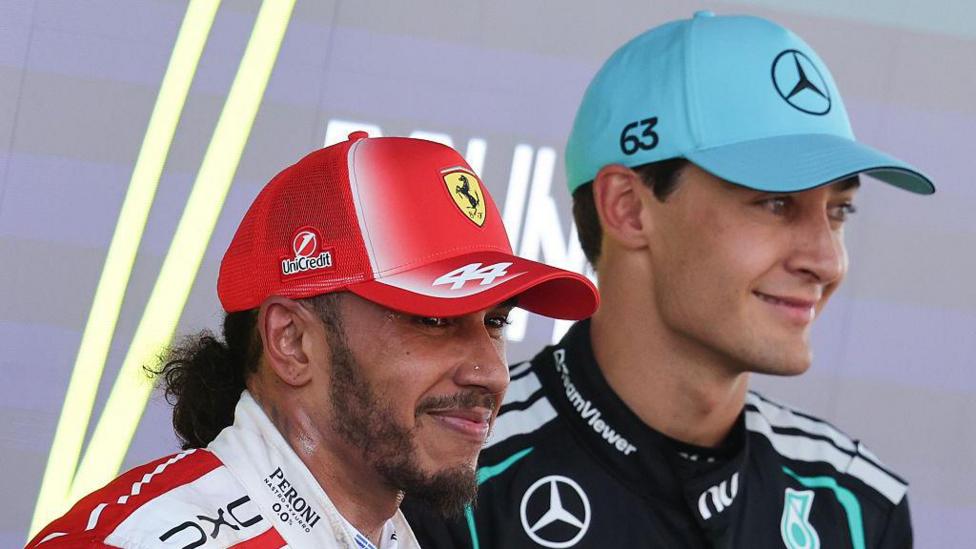
Russell Eyes Hamilton and Ferrari as Championship Dark Horse in 2025
Mercedes driver George Russell names Lewis Hamilton's Ferrari switch as the biggest title threat heading into the new season.

Red Bull's Austria Upgrade Unlocks Season-Best Pace at the Home of Bulls
A major upgrade package transformed Red Bull's fortunes at Spielberg, delivering Verstappen's strongest result of 2025.